

 All levels
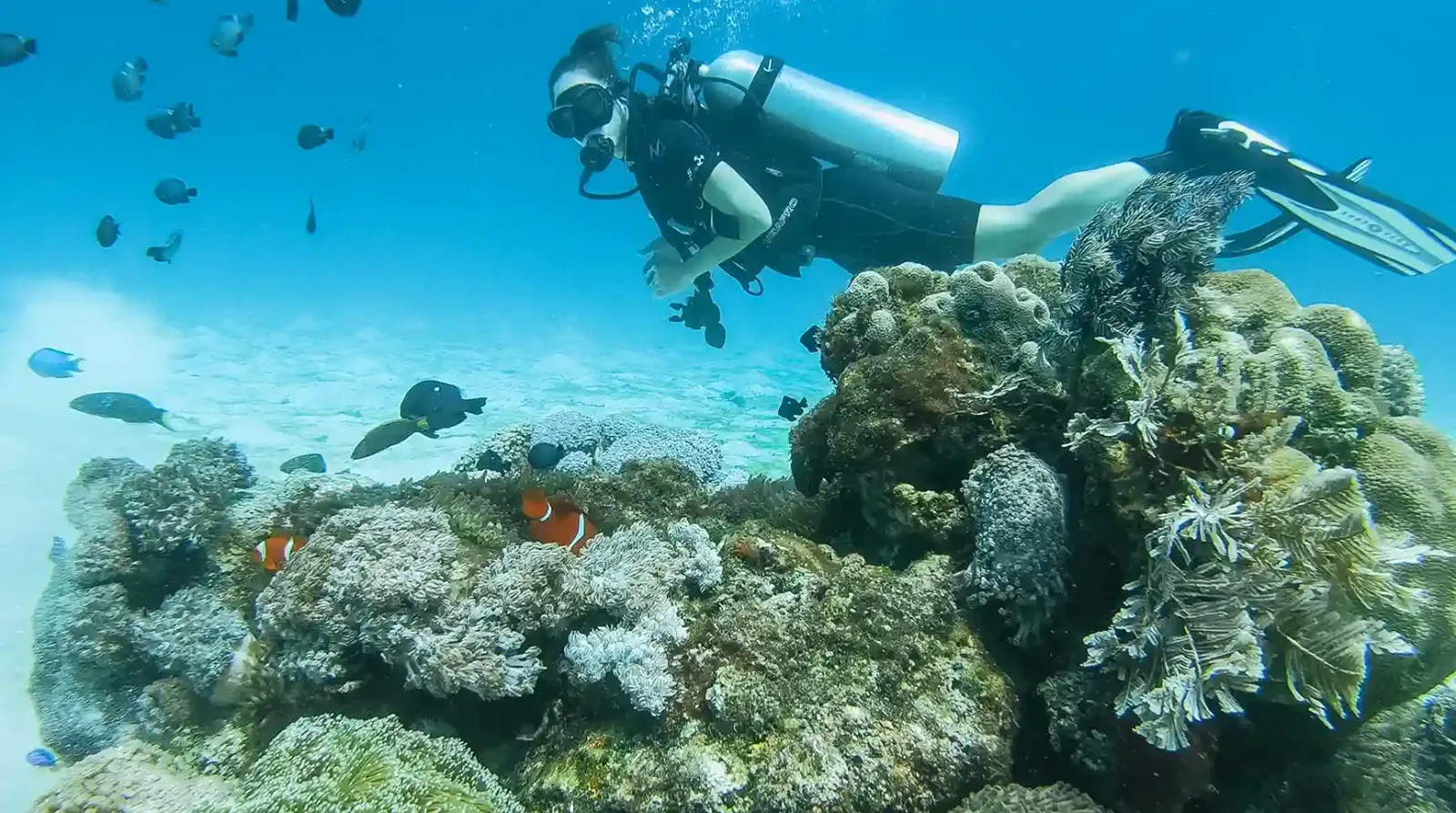
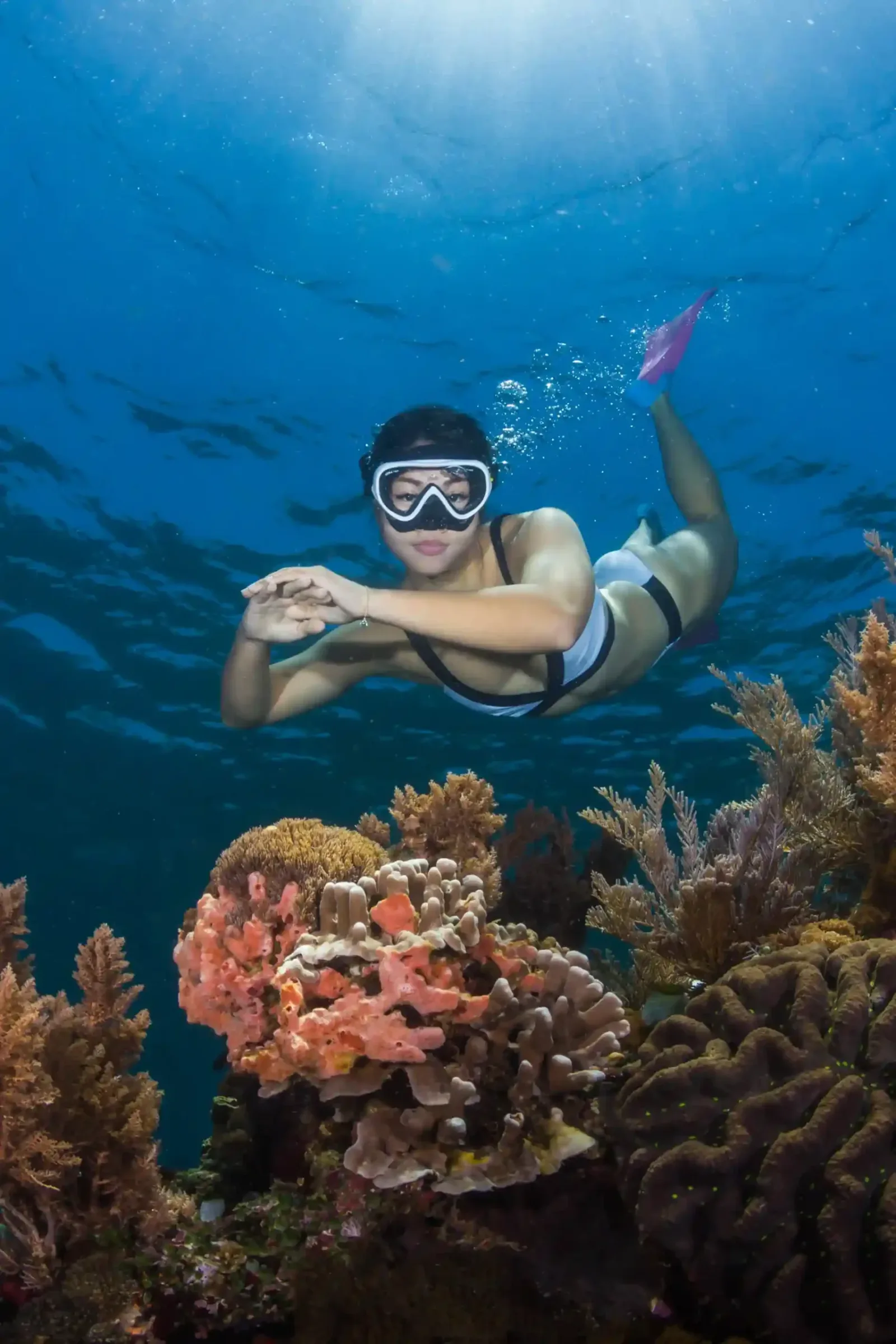
 Fringing reef snorkel
Shallow coral straight off the beach. No current on most days, so nervous swimmers manage it.
Location silo · Anchorage
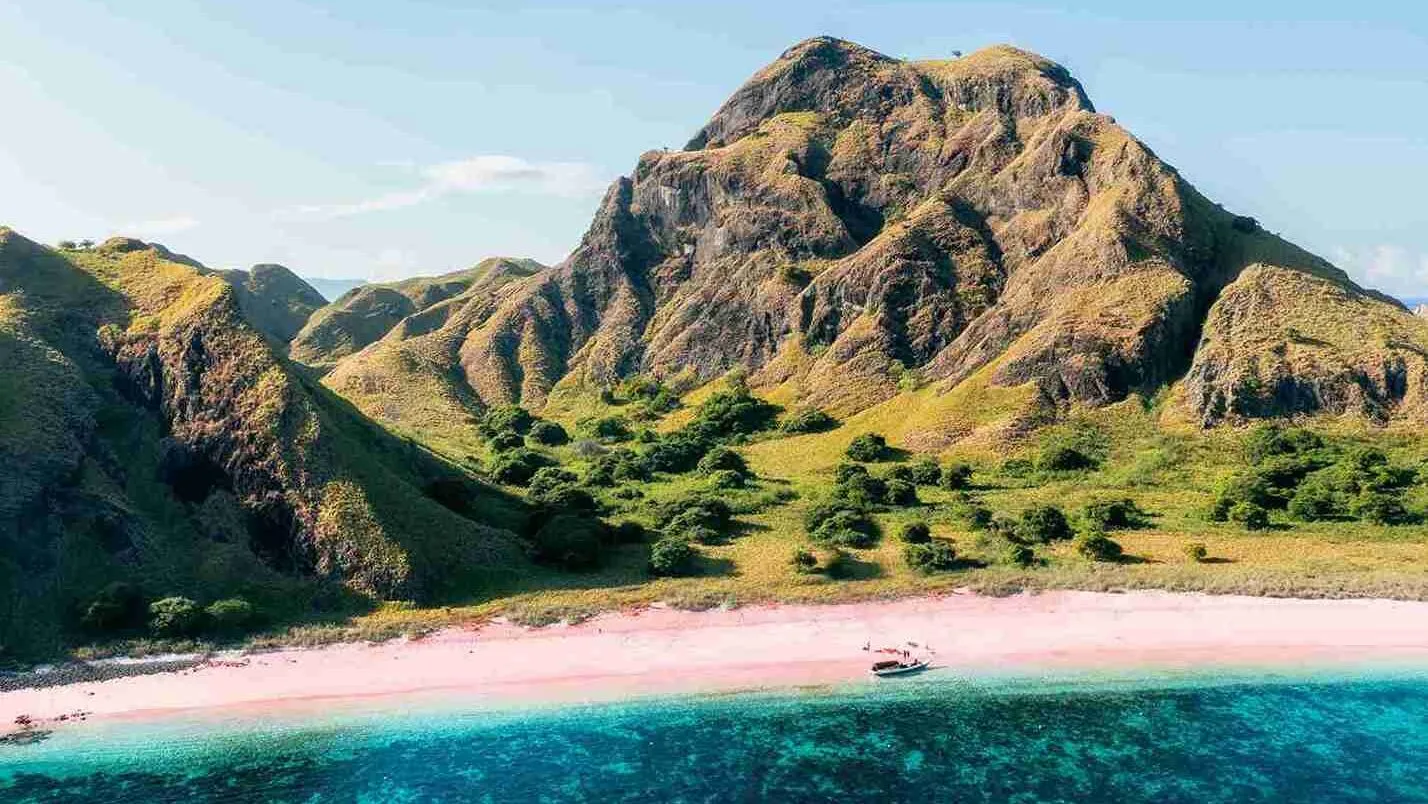
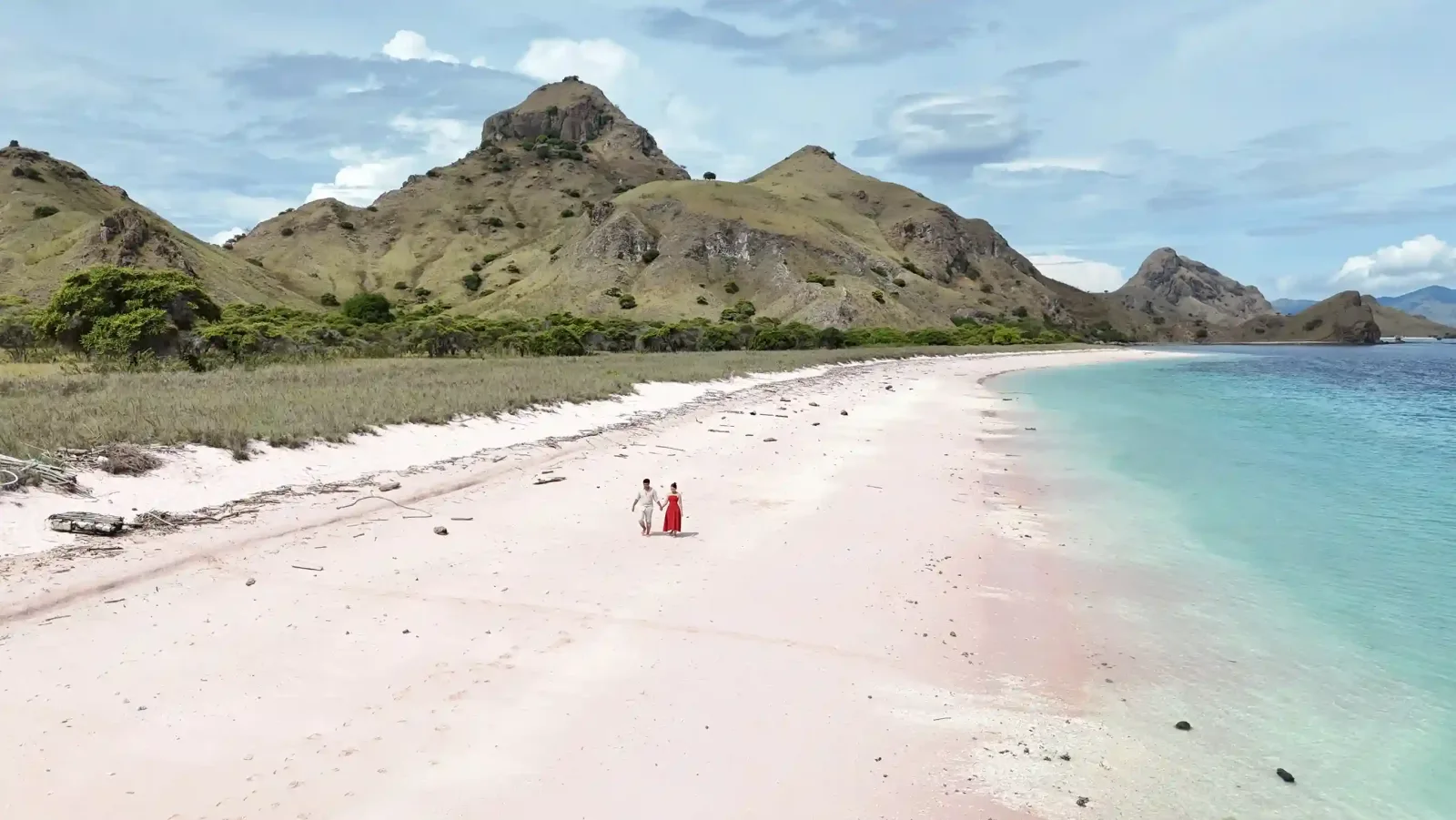
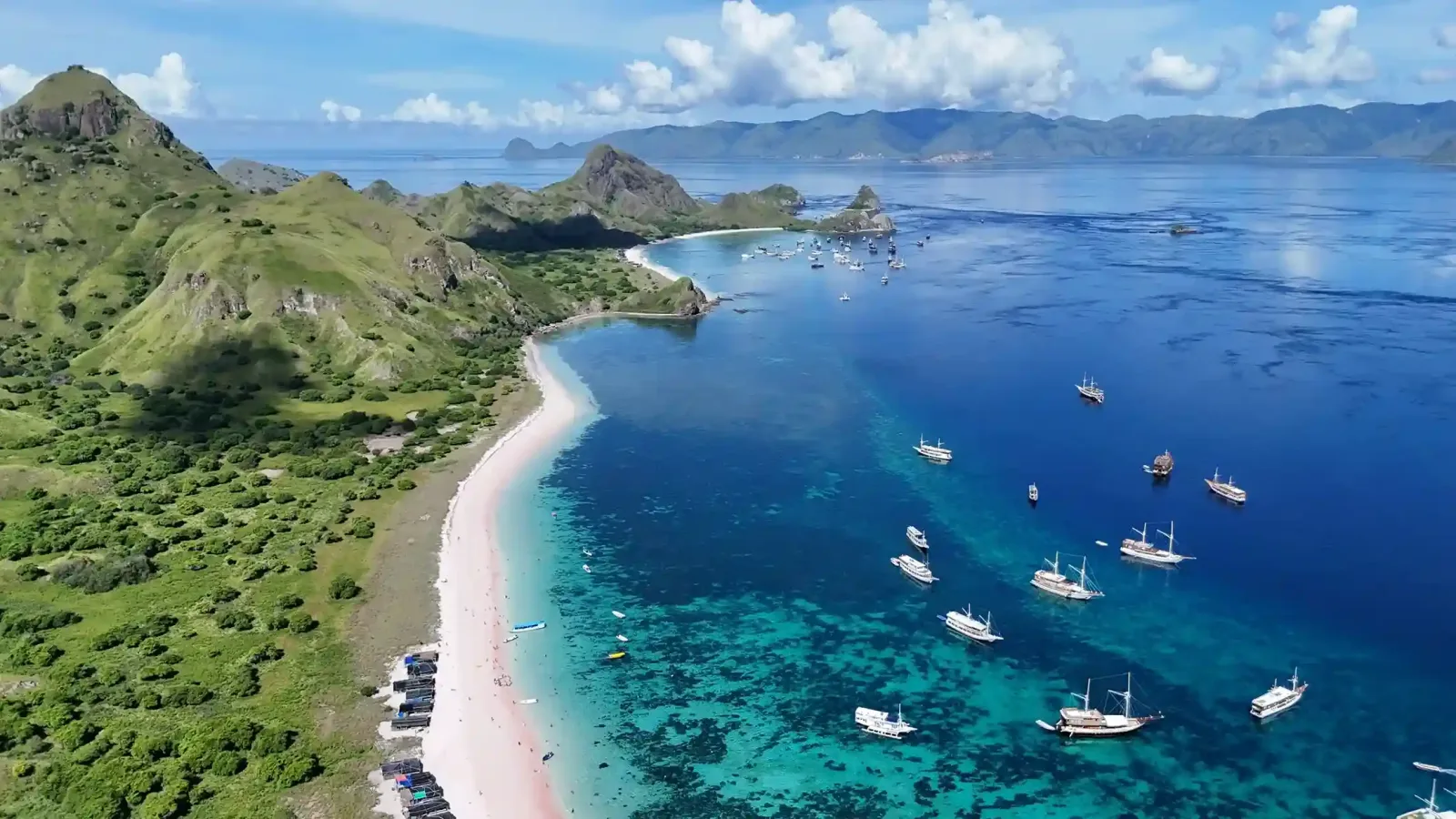
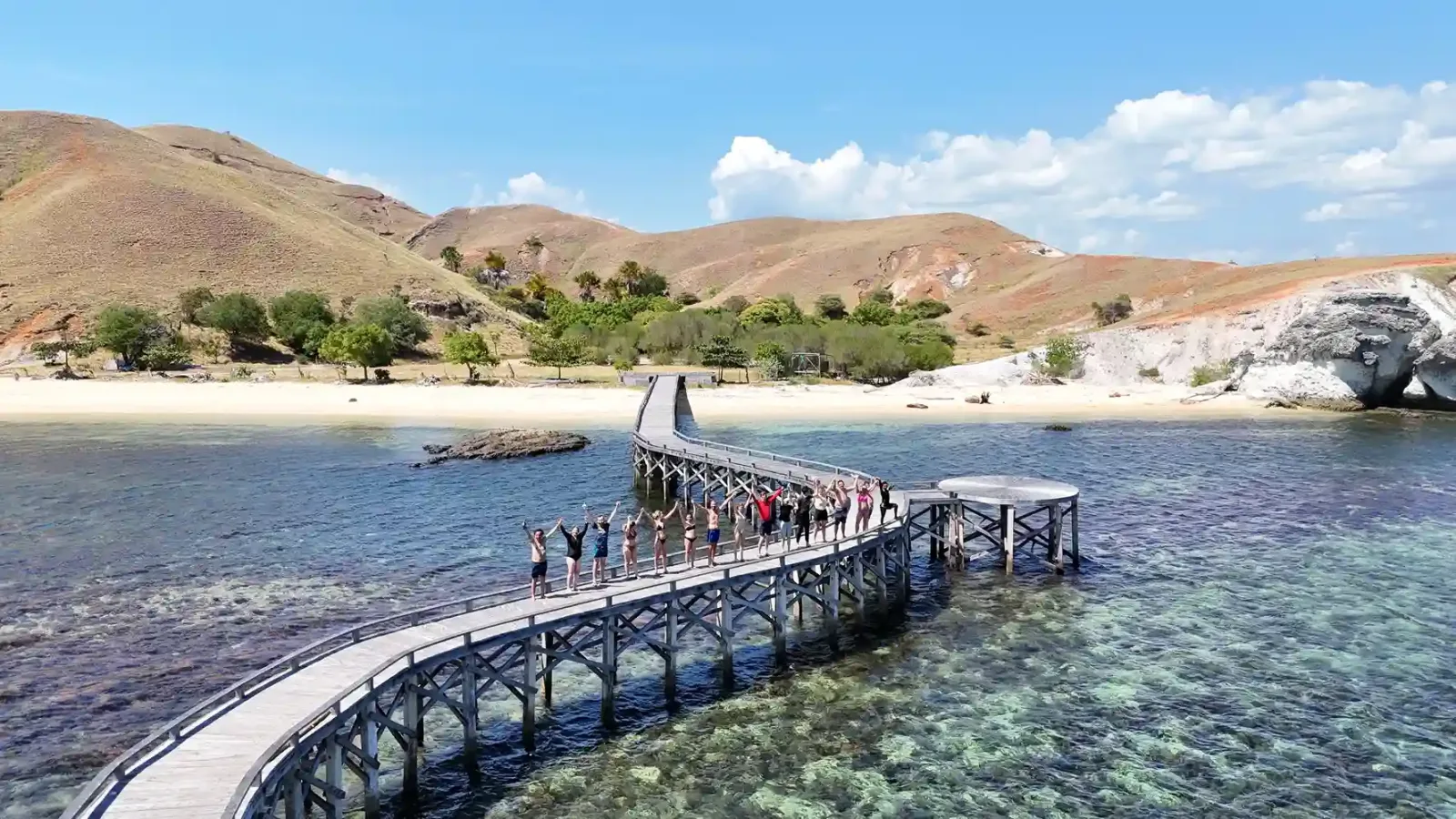
The sand is genuinely pink — red coral fragments ground into white sand. It reads strongest wet, in flat light, which is not the hour most boats arrive.
At a glance
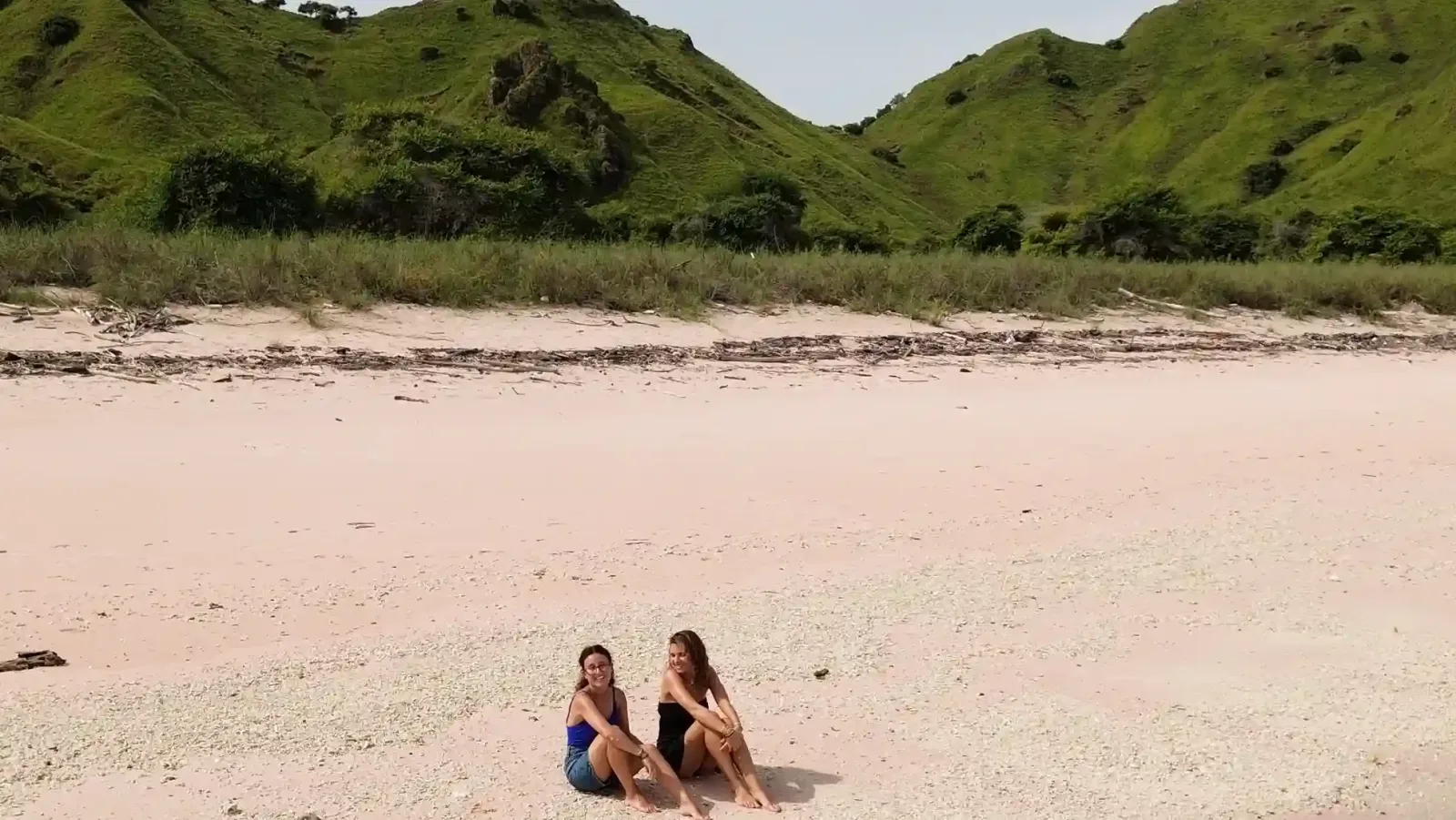
This is the stop that suits everybody — nervous swimmers, small children, people who would rather read on the sand than get in at all.
Why it is pink
A red organ-pipe coral grows on the reef offshore. Fragments break off, wash in, and grind into the white sand until the beach reads pink at the waterline.
The colour is strongest where the sand is wet and the light is flat. In hard midday sun from a distance it looks almost white, which is why people arrive expecting more.
What the two hours hold
None of them require equipment beyond what the boat carries.
All levels Shallow coral straight off the beach. No current on most days, so nervous swimmers manage it.
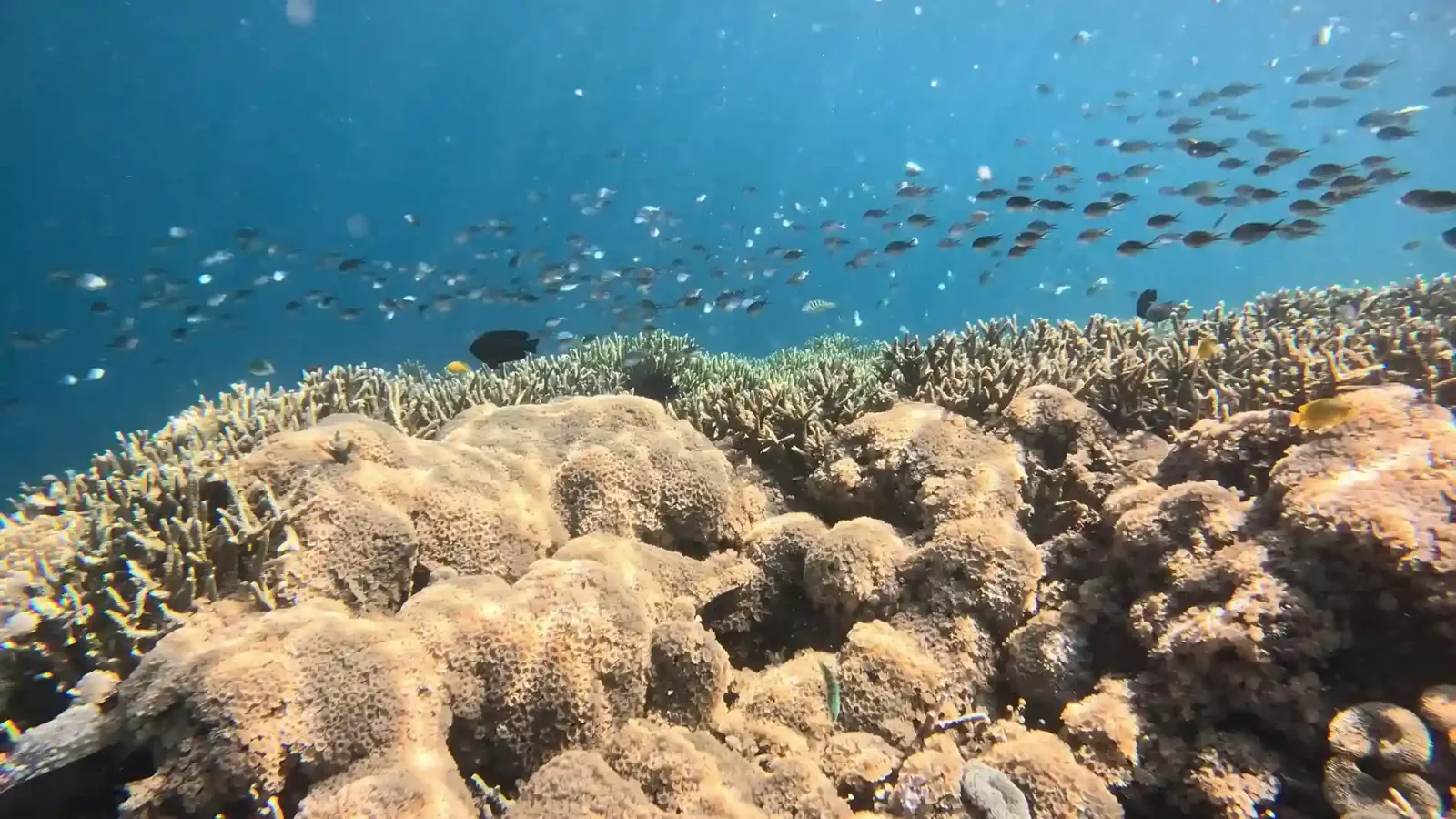 Open Water
 Where courses run, because the water is calm and the biodiversity is high anyway.
 Any age
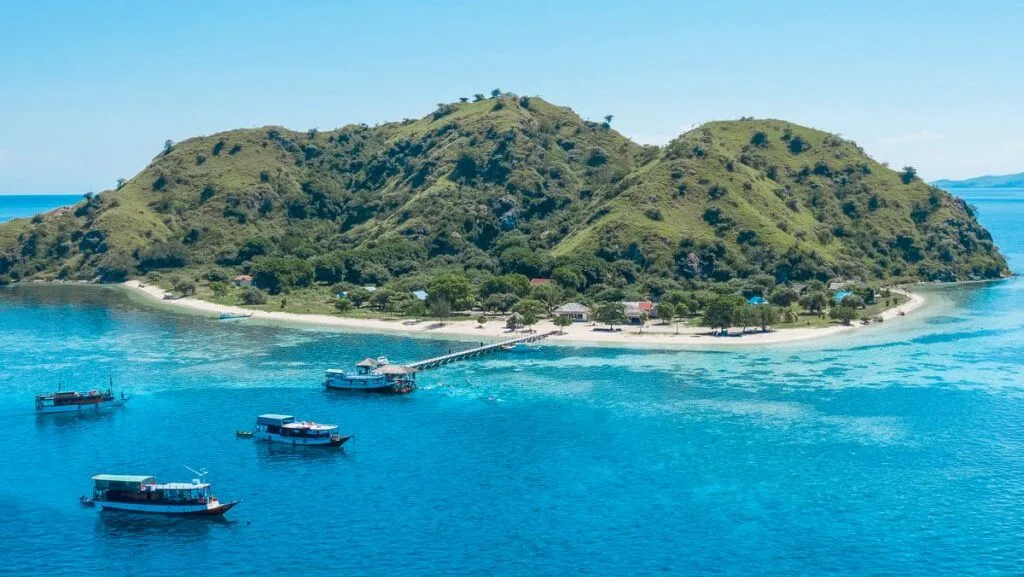
 Where the pink is. Ten minutes end to end, and the only place the colour reads properly.
 Underrated
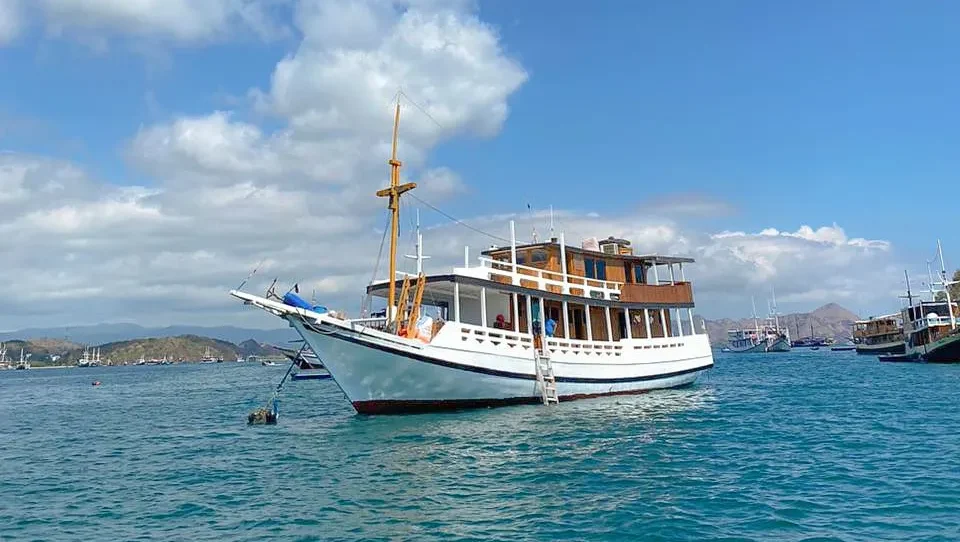
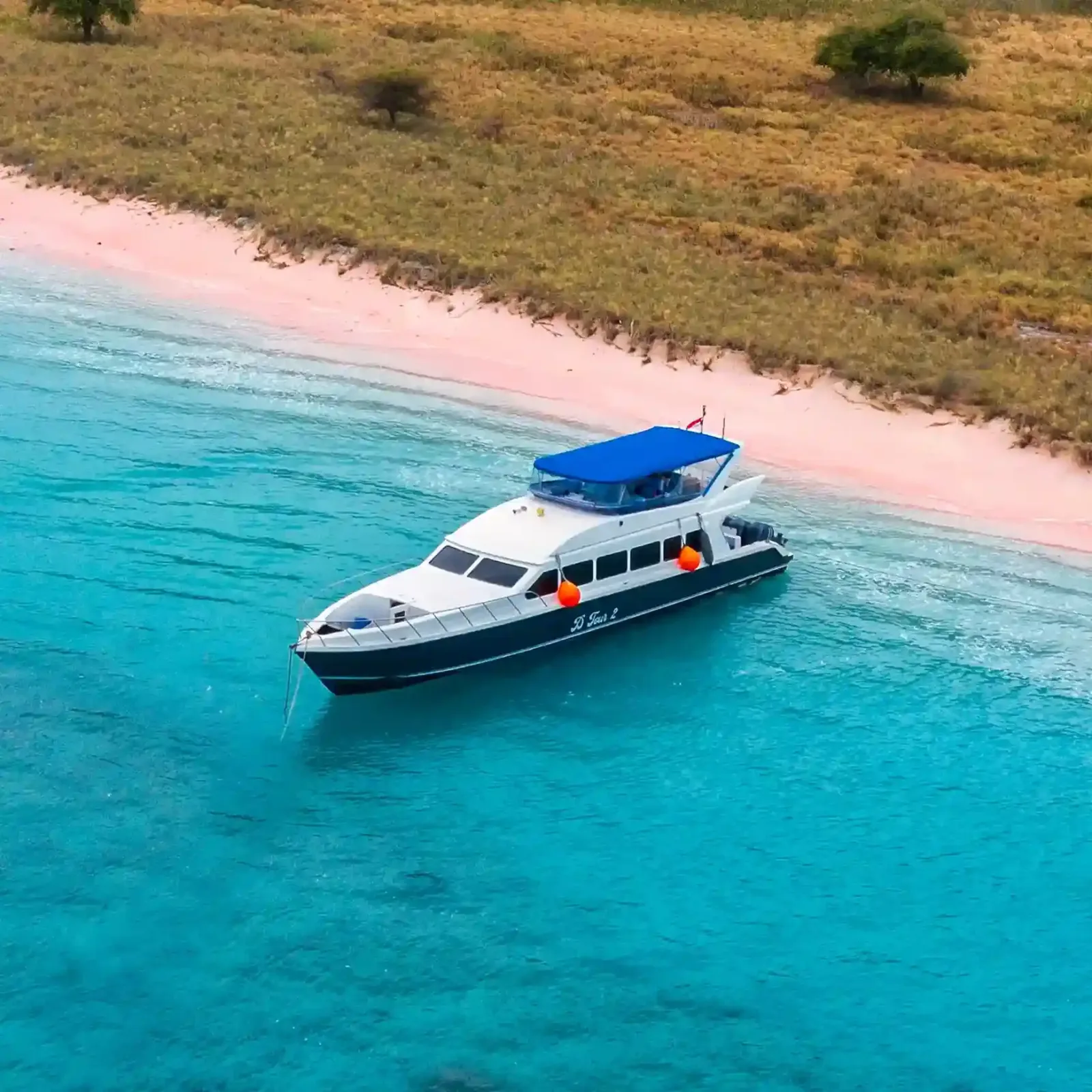
 Shade from the boat awning, a swim when you feel like it, and no schedule pressing.
What it looks like
Tap any image to open it full size.
Worth knowing
Small details, and the difference between a good two hours and a disappointing photograph.
You are swimming directly over living coral, three metres down.
Not from the boat. The colour barely registers at distance.
Flat light shows the pink better than hard midday sun.
The entry is sand, but there is coral rubble in places.
Longer and most groups are ready to move before the boat is.
Park fees apply here as everywhere, set by the authority.
When to stop here
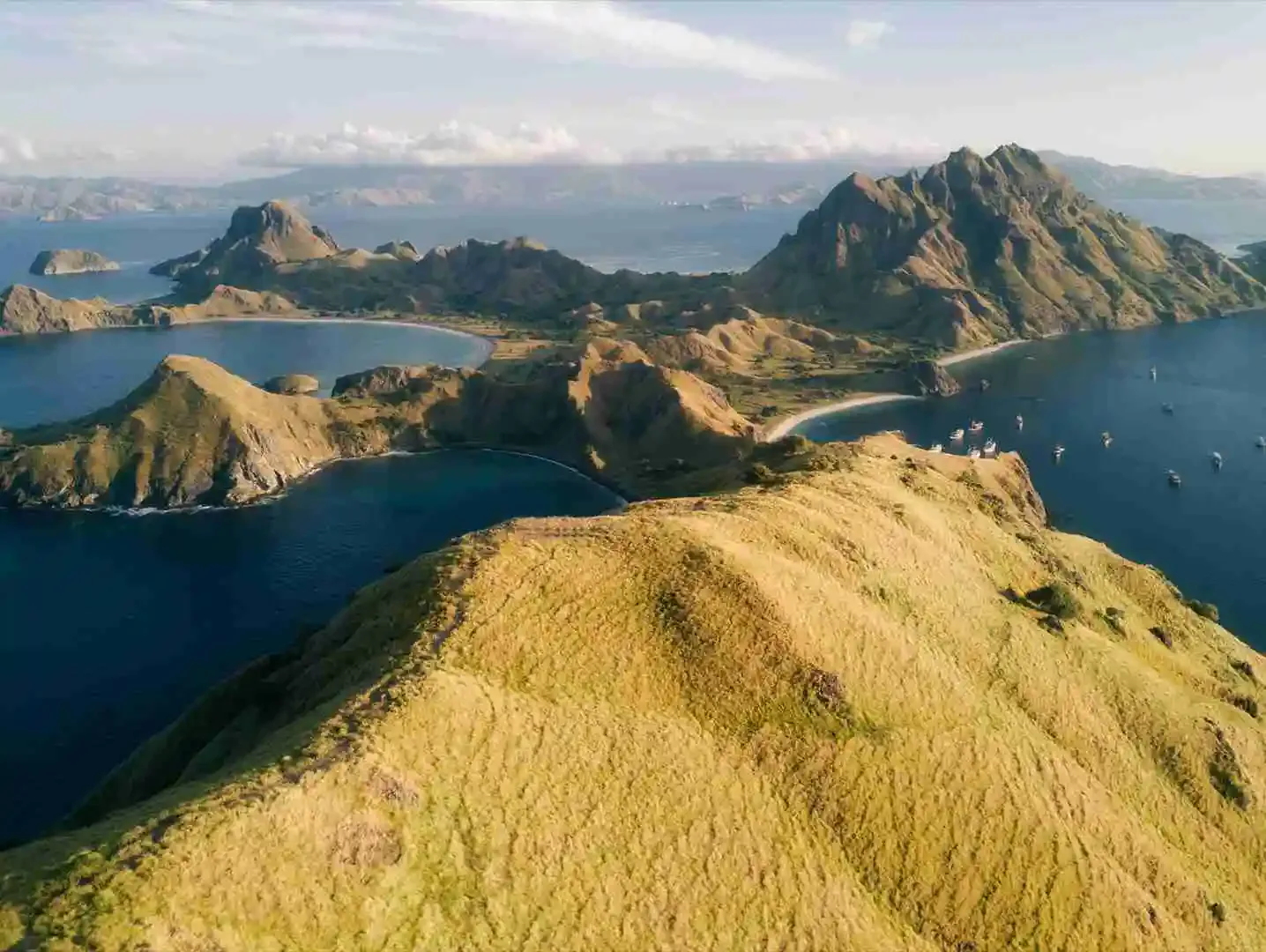
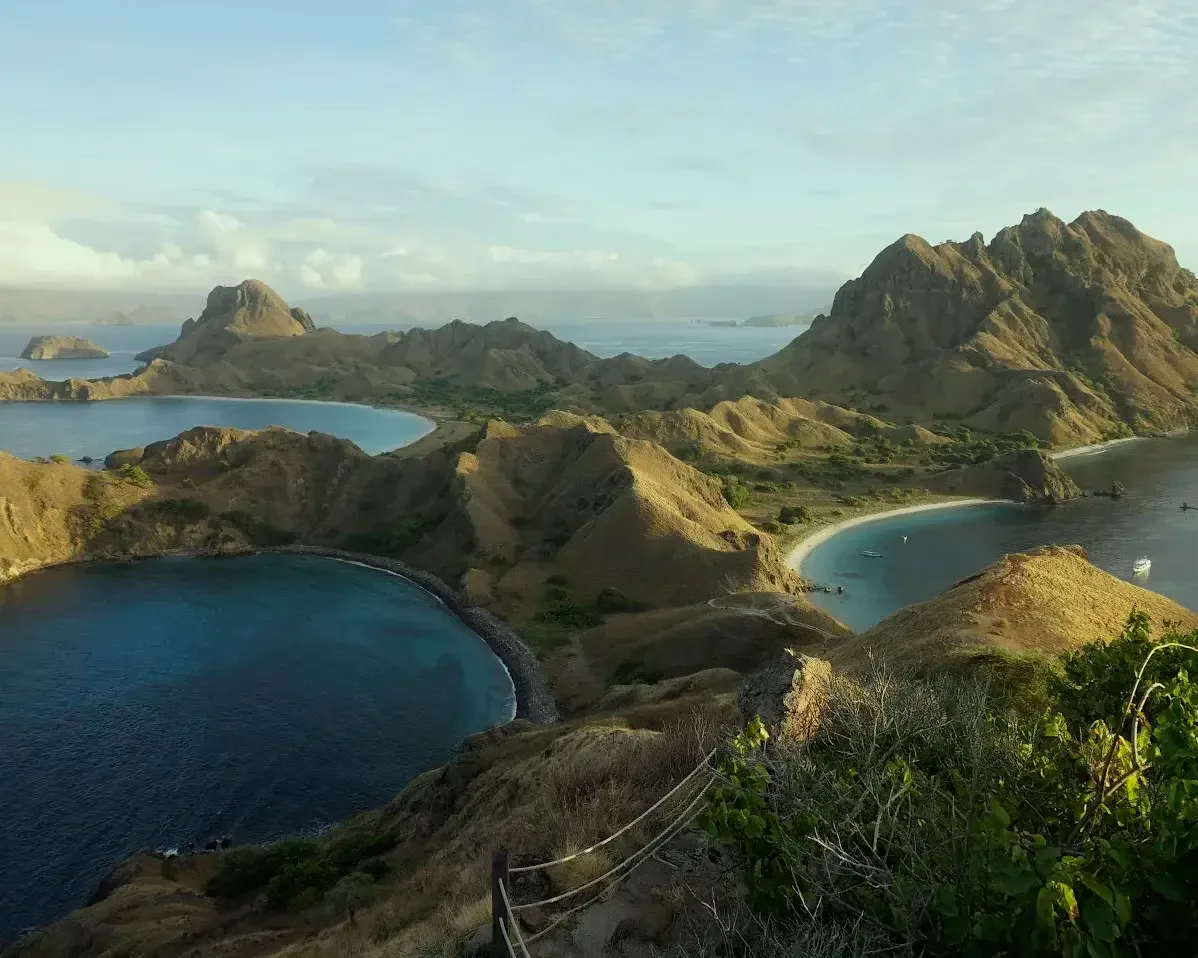
Unlike Padar, there is no wrong answer. They give you different things.
Most itineraries
For the colour
On a multi-day charter you can have both — snorkel at midday on one day and come back for the light on another. Day trips get one shot at it.
Six honest answers
Same route

Get a firm quote
Send dates and group size. If the pink sand is the reason you are coming, we place the stop late rather than at midday.
By sending you agree we may reply by email or WhatsApp about your charter.