Skip to content
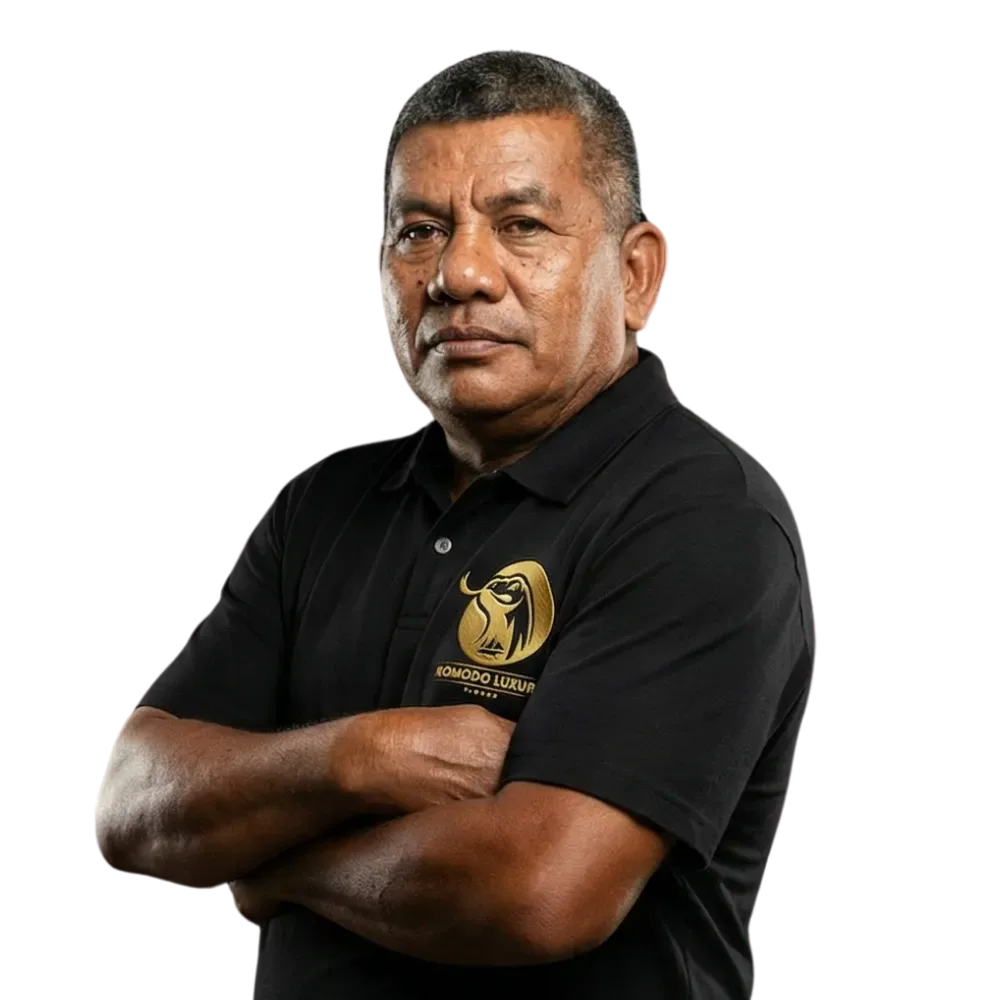
Captain Hasyim

The operator

A decade on these waters, one boat at a time

Not an agency booking somebody else's vessel. The people who maintain the boat, employ the crew and sail the route are the people answering your message.

Chartering since
2015
Crew employed
8
Guests, whole boat
10

How this started

A diving trip that did not end

The first visits here were recreational — diving, and being changed by it. What stood out was not the scenery but how much depended on it: ecosystems that cannot be replaced and communities that live off the same water.

Building a charter operation was the way to let other people see it without adding to the damage. That meant buying quality vessels, paying crew properly and setting operating standards above what the market requires.

  • Vessels maintained above commercial minimums
  • Crew paid and trained beyond Indonesian maritime standards
  • Local guides, local provisioning, local employment

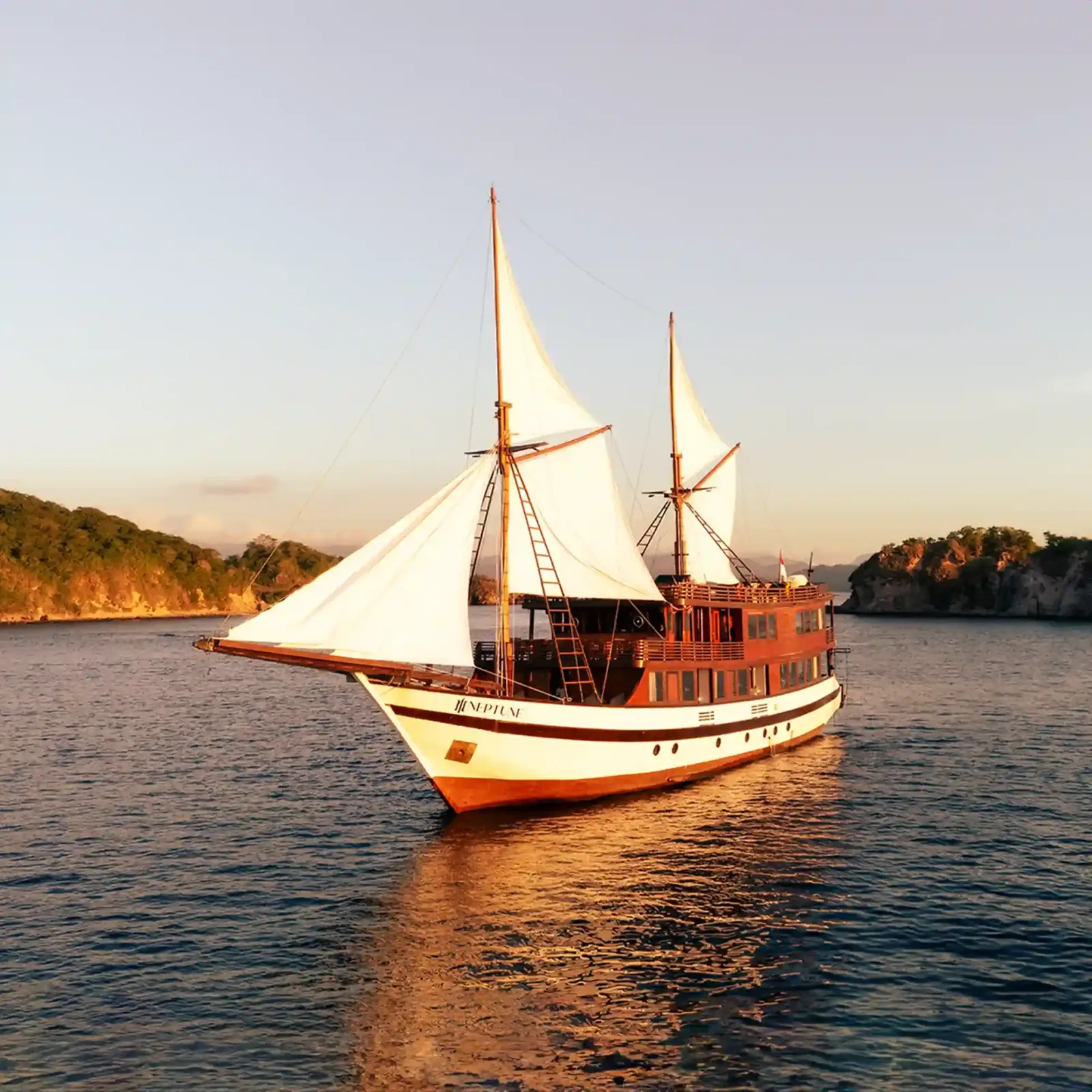
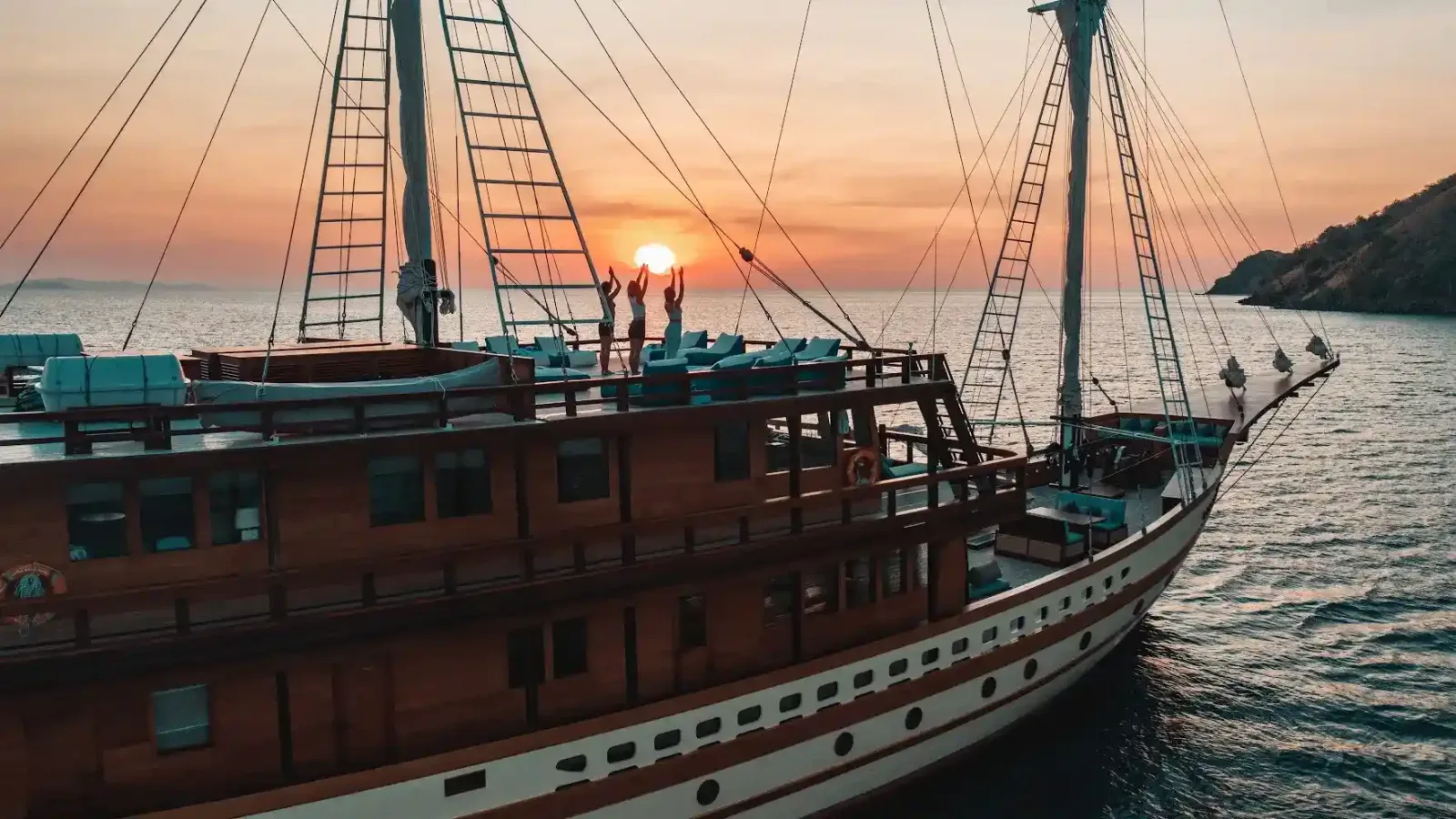
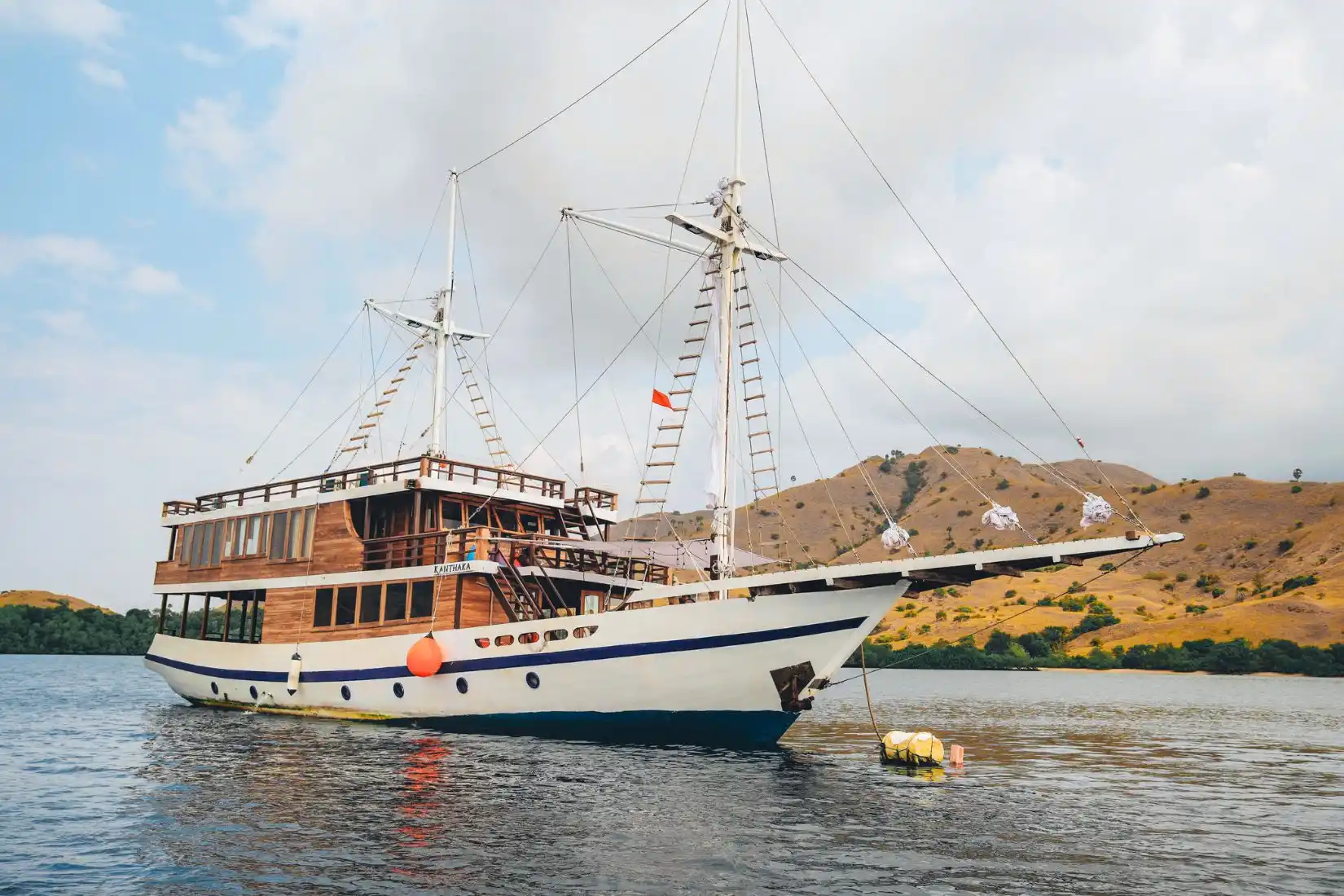
The sun deck of a phinisi

What we actually optimise for

Four things, in order

Every operational decision comes back to one of these, and they are ranked deliberately.

  • Safety before schedule

    Where the two disagree, the itinerary loses. Every time, without discussion.

  • Authenticity over polish

    Guides who educate rather than perform. Encounters, not spectacle.

  • Sustainability as basis

    Local crew and provisions, minimal-impact diving, waste handled properly.

  • Relationships, not scripts

    Crew who know your preferences by day two and stop asking.

  • Transparent pricing

    All-inclusive, itemised, and no charge appears after you board.

  • Maintenance you pay for

    Operators quoting well below the market are cutting one of these.

The operation

What a decade of this looks like

Tap any image to open it full size.

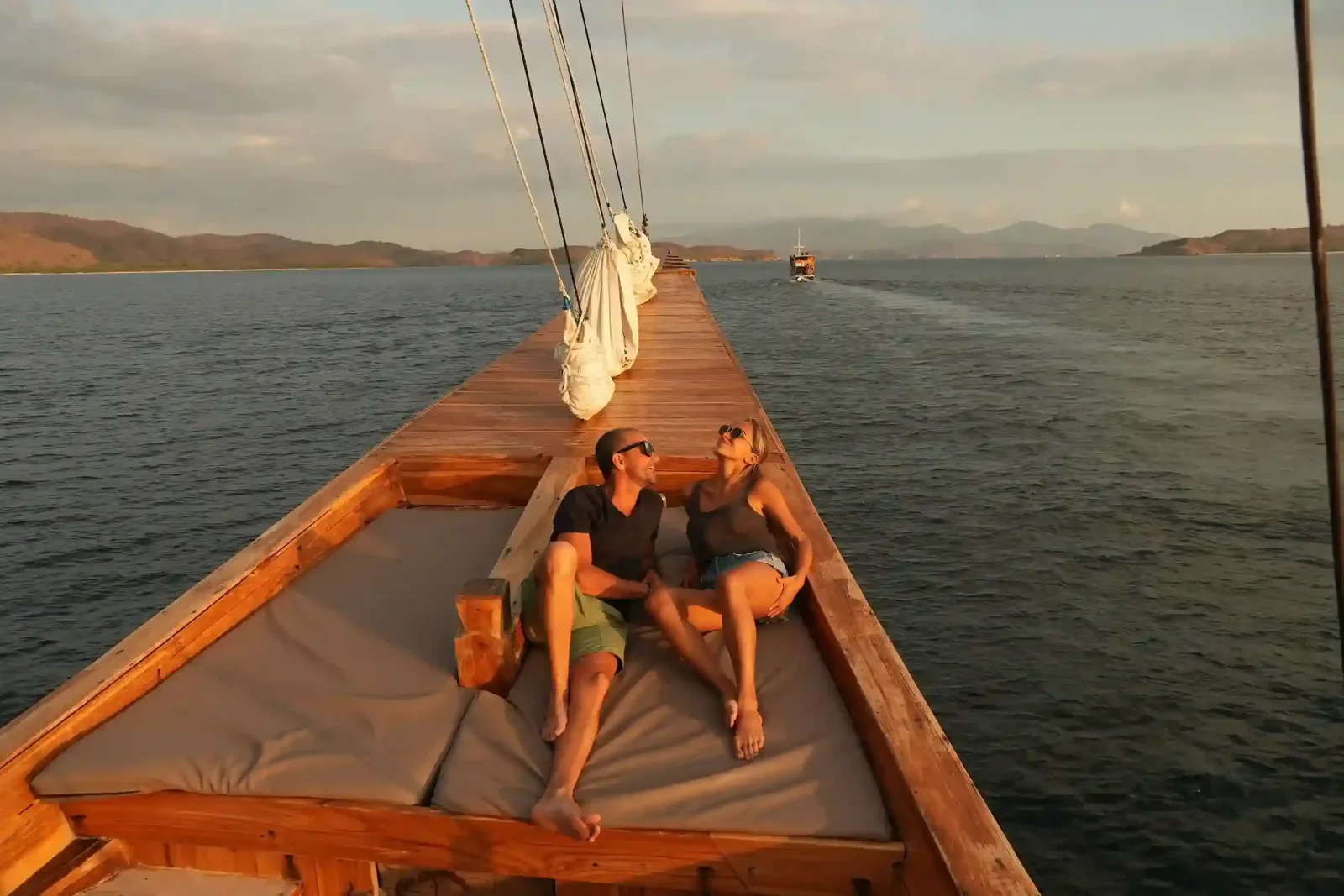
Guests on the bow of a phinisi
The crew — captain, chef, guides, deckhands.
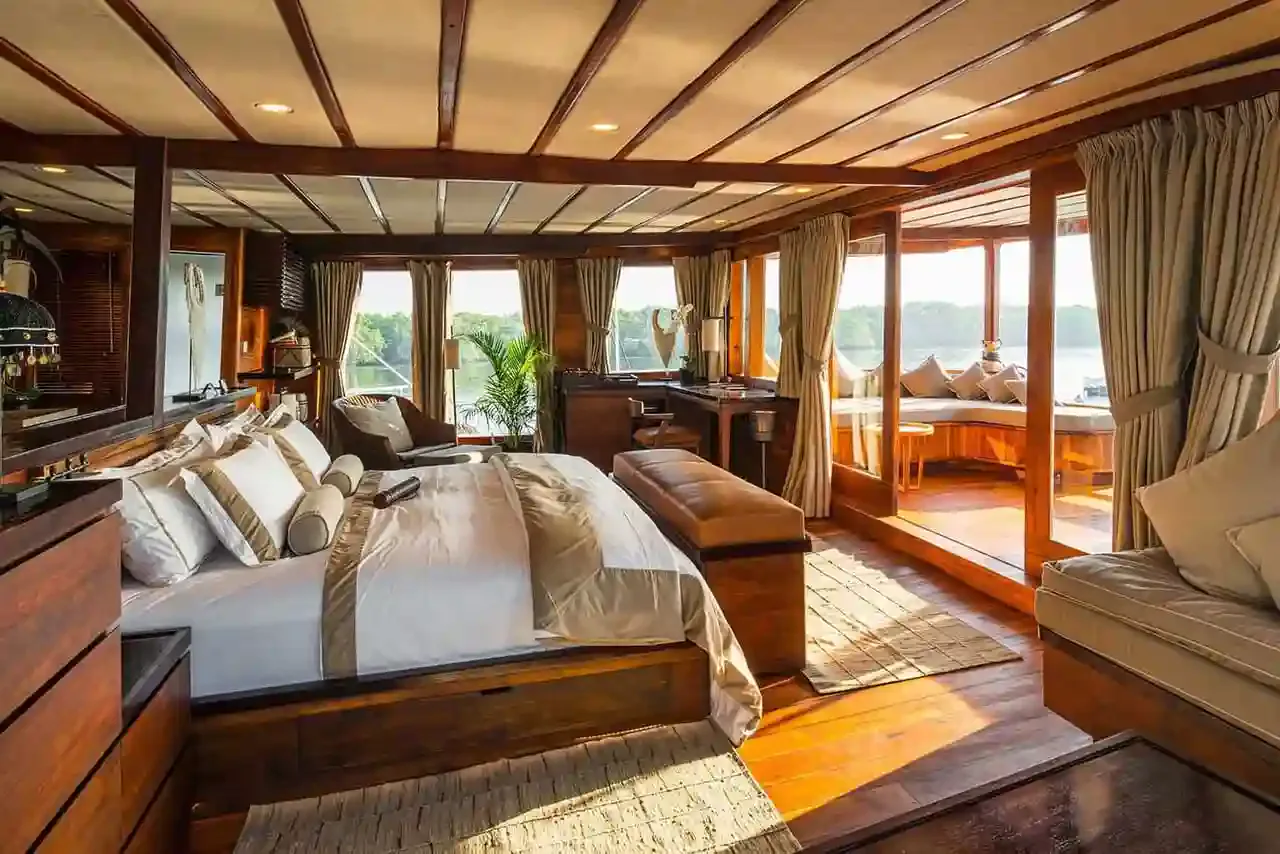
A timber-lined suite aboard a phinisi
Cabins kept to hotel standard, not boat standard.
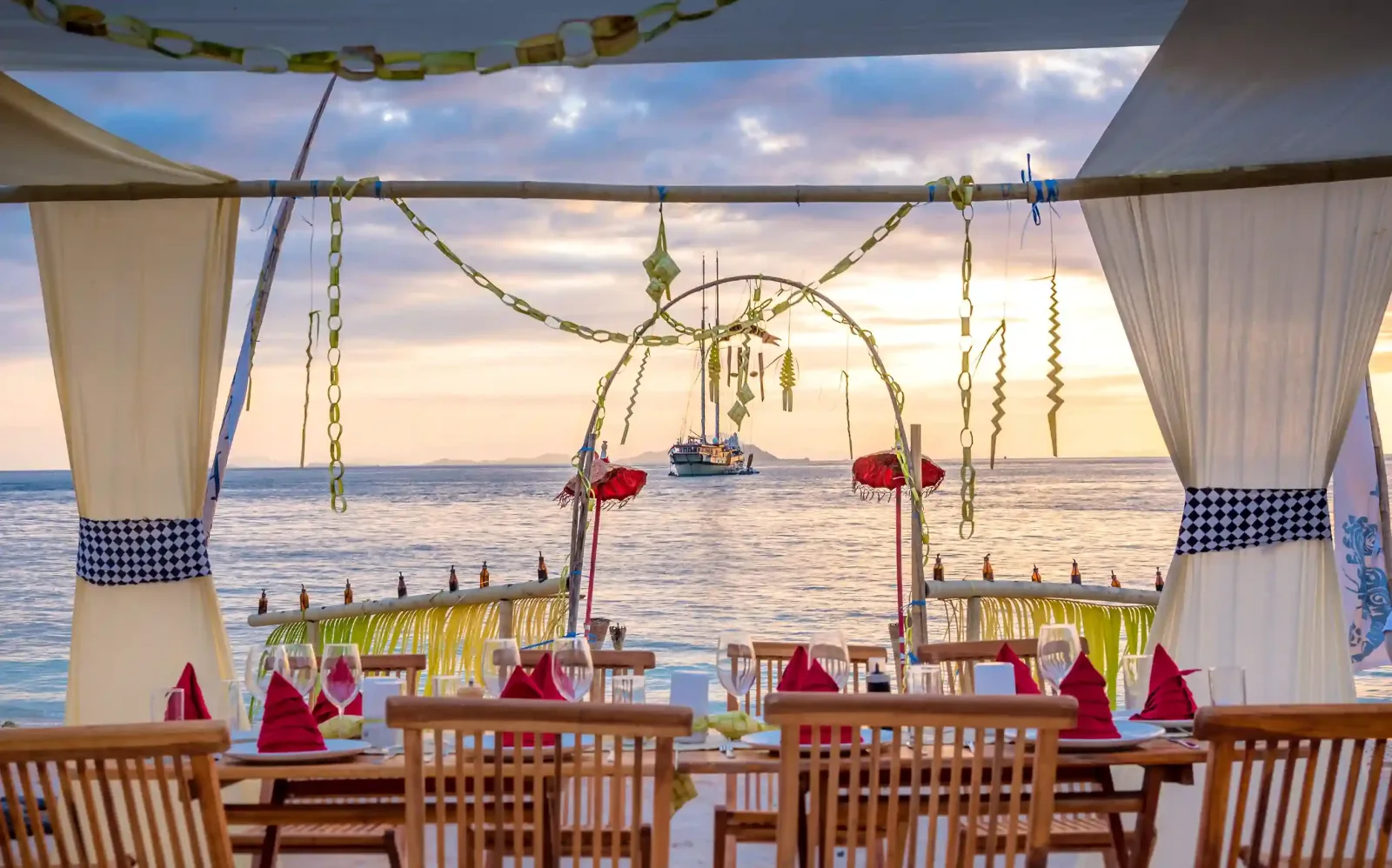
Dinner laid on deck at sunset
Provisions bought locally the morning you sail.
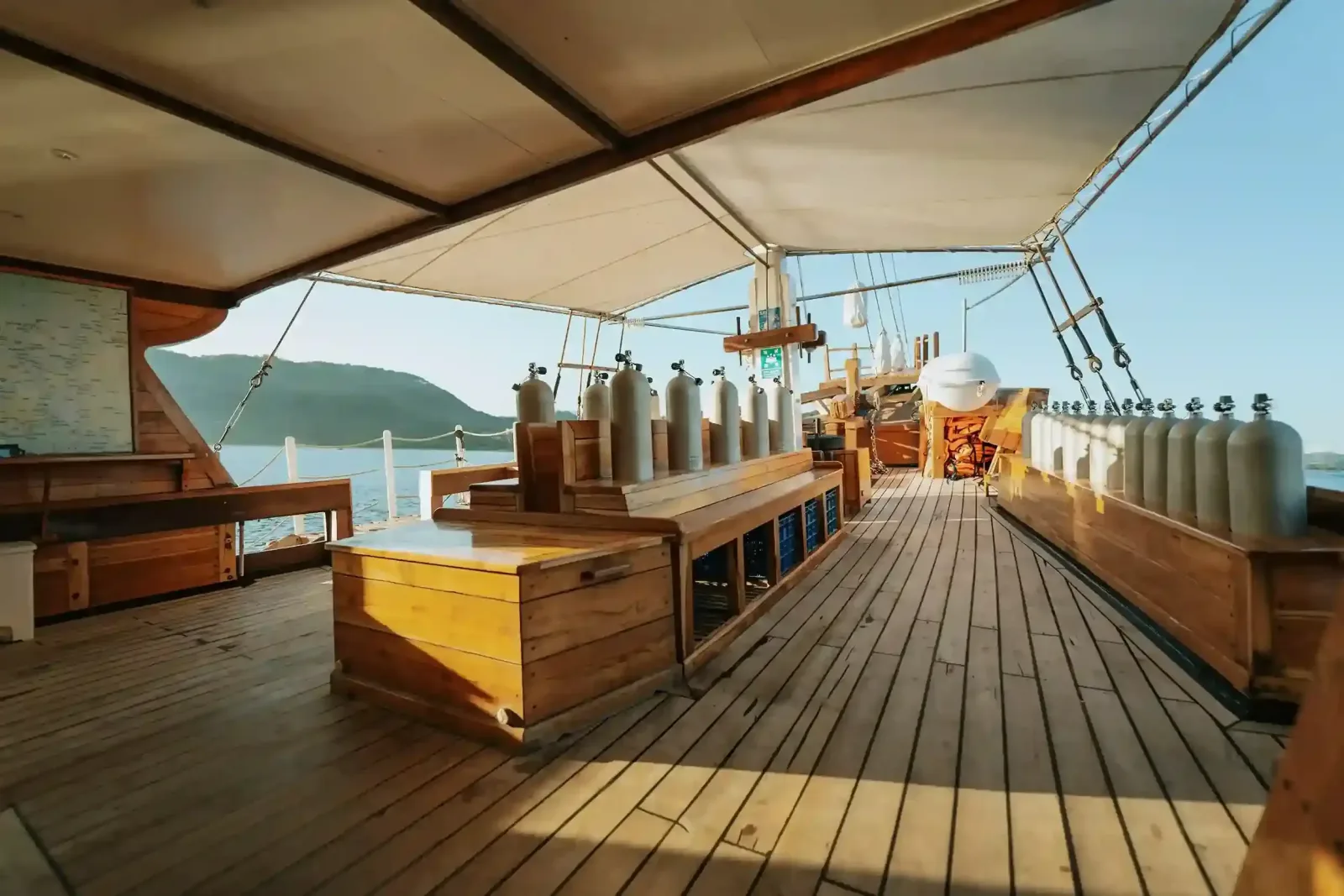
The dive deck of a phinisi, tanks racked
Dive operations run at four per guide, maximum.
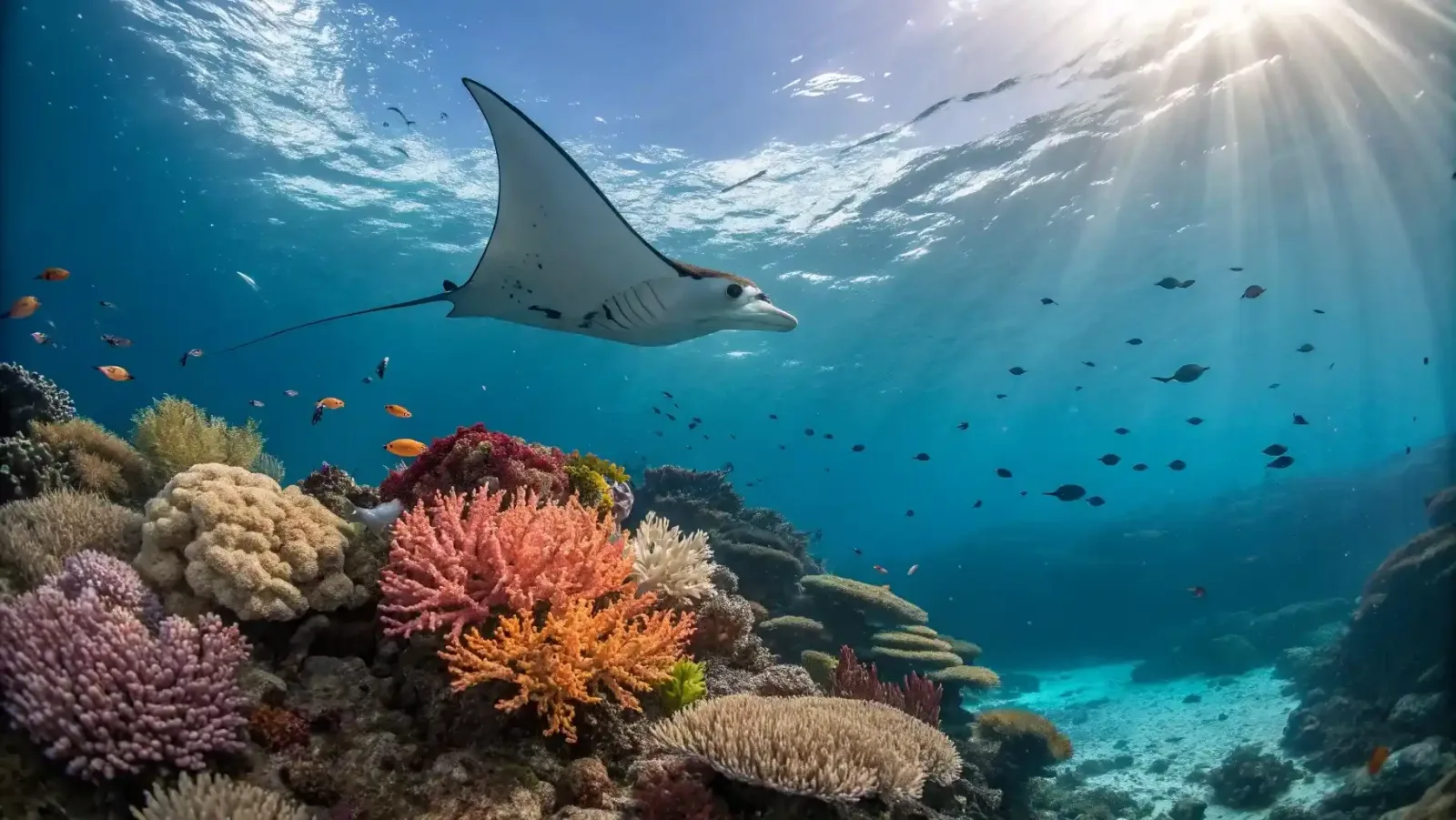
A manta ray passing over coral
The reason any of it matters.

Where the standards sit

Regulatory, market, and ours

Three tiers exist in this market. Knowing which one a quote sits on is most of what separates a good charter from a cheap one.

  1. Minimum

    Regulatory floor

    What Indonesian maritime law requires. Legal, and the level a discount quote is usually funding.

    The legal baseline

  2. Market

    Typical practice

    What most established Labuan Bajo operators run: sound vessels, adequate crew, workable safety kit.

    What most quotes buy

  3. Ours

    Where we operate

    Redundant safety systems, instructor-level dive guides, crew conditions and pay above the standard, maintenance ahead of schedule.

    What the rate reflects

This is not a claim that other operators are unsafe. It is an explanation of where the money in a higher quote actually goes, because that question deserves an answer.

The part nobody audits

Sustainability, in specifics

Waste segregated and carried back rather than dropped. Freshwater use managed. Fuel minimised by sailing where a motor would be easier.

Crew are Indonesian professionals on real contracts, provisions are bought in Labuan Bajo, and guides are local. Tourism revenue that leaves the region does nothing for the park.

  • Minimal-impact diving and snorkelling protocols
  • No anchoring on coral, ever
  • Local employment and local provisioning as standard

See how the charters run

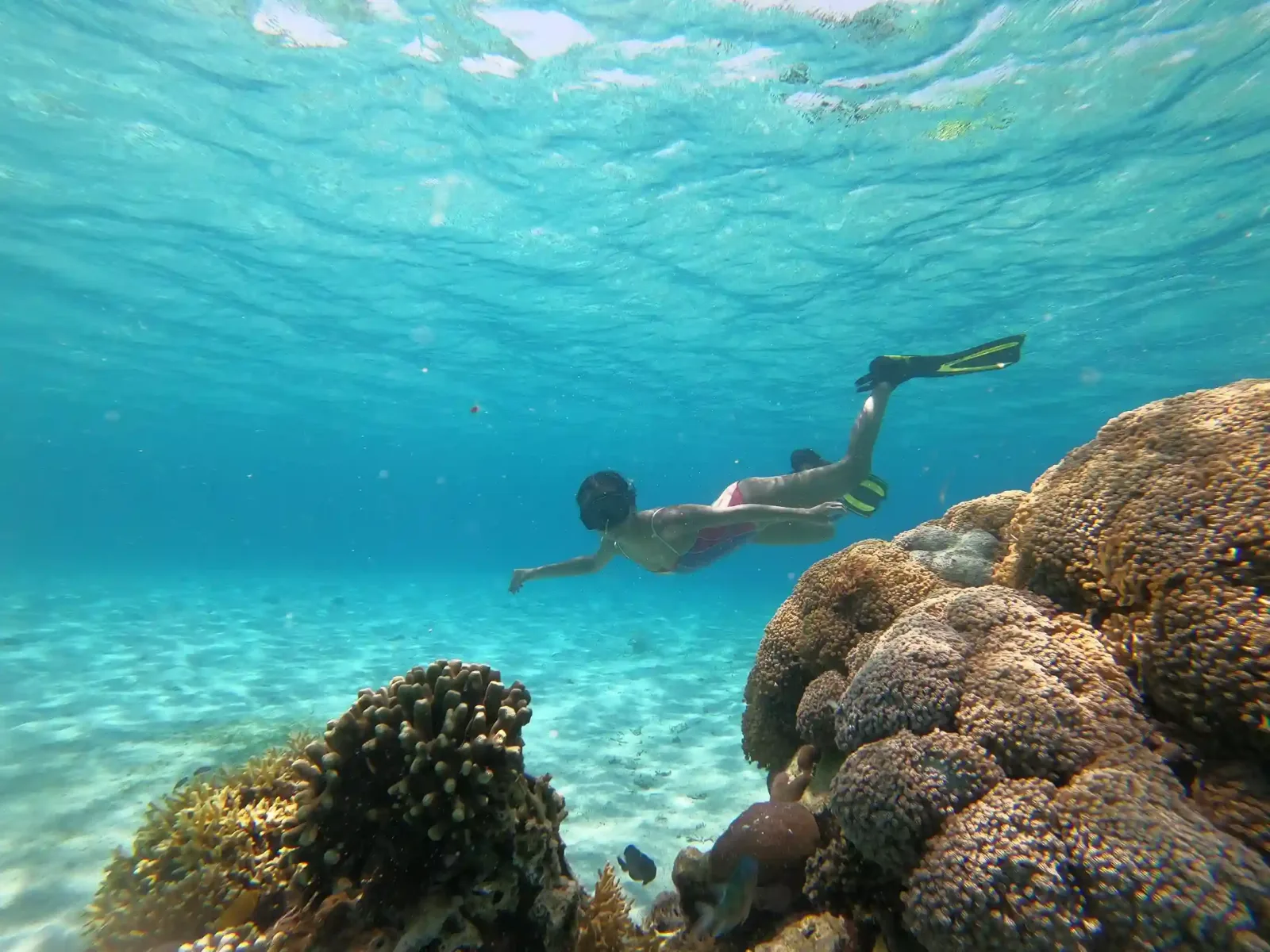
Snorkellers above a reef

Plainly

What we will and will not do

The second column matters more than the first, and almost nobody publishes it.

Always

What we will do

  • Quote in writing, itemised, before any payment
  • Tell you when your dates fall outside a season
  • Cancel or reroute for weather without argument
  • Say when a shorter or cheaper option suits you better

Ever

What we will not do

  • Guarantee a manta sighting, or any wildlife
  • Bundle park fees into one figure to look cheaper
  • Put another party aboard a boat you chartered whole
  • Publish your charter or your photographs without asking

If a competing quote promises something in the right-hand column, that is worth a second look rather than a booking.

Working with us

What the process actually is

  1. 1

    You message a person

    Not a booking agent, and not a form that returns an estimate.

  2. 2

    We ask awkward questions

    Mobility, seasickness, swimming ability, diet. It changes the route.

  3. 3

    A written quote

    Charter, park fees and add-ons on separate lines.

  4. 4

    You sail

    And the crew already know the answers you gave in step two.

The unglamorous part

Most of what makes a charter good happens before you board — the questions asked, the route drafted around the answers, and the vessel matched to the group. That is the work.

Six honest answers

About the operation

Get a firm quote

Ask the person who runs it

Dates, group size, and anything you want to know about how the operation works before you commit to it.

By sending you agree we may reply by email or WhatsApp about your charter.

  • No booking agent in between
  • Video call before you travel
  • Written, itemised quotes

sales@komodoluxury.com