Komodo Diving Yacht Charter | World-Class Dive Experiences

Komodo Diving Yacht Charter: Immerse in World-Class Underwater Experiences

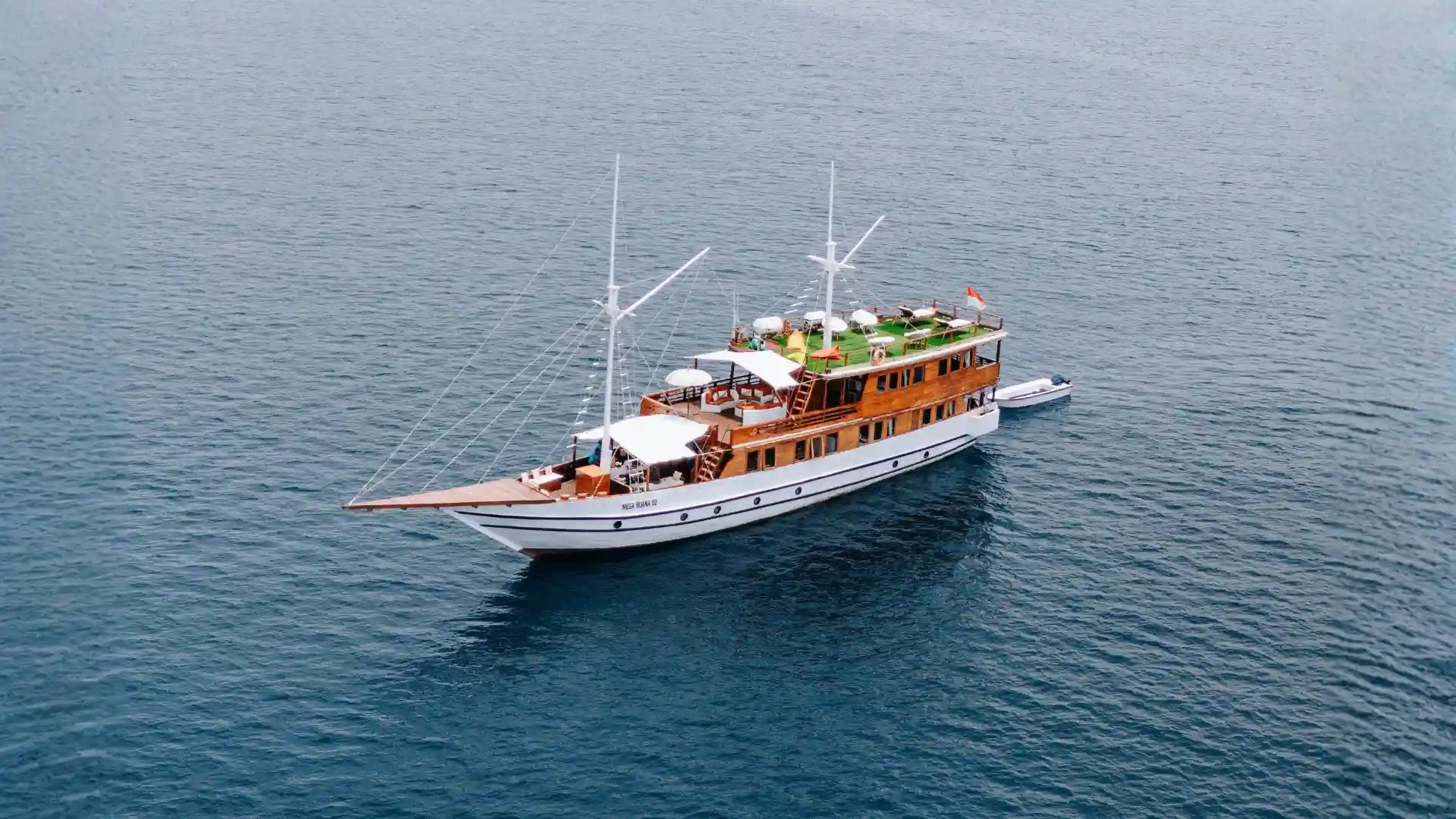
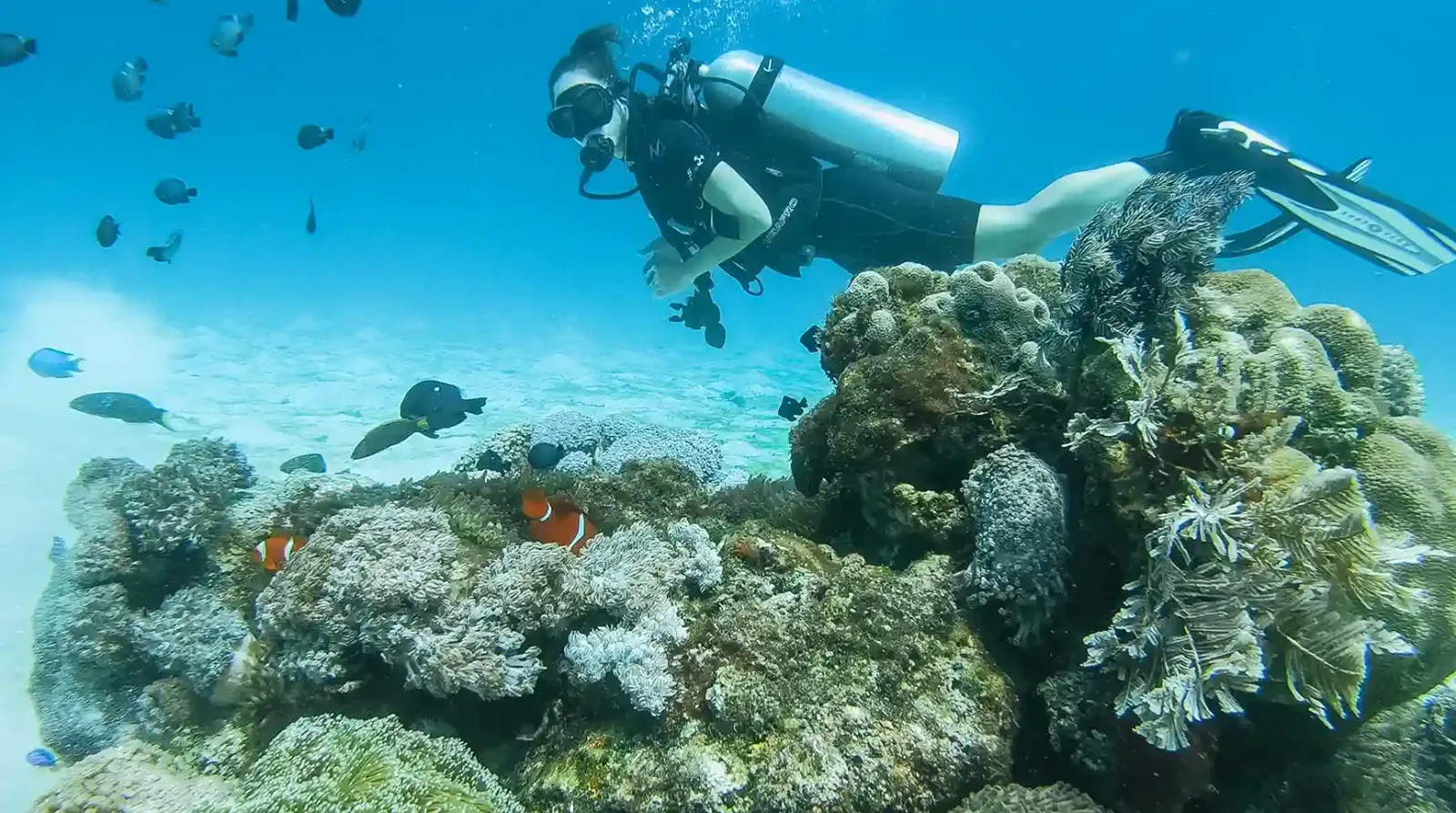
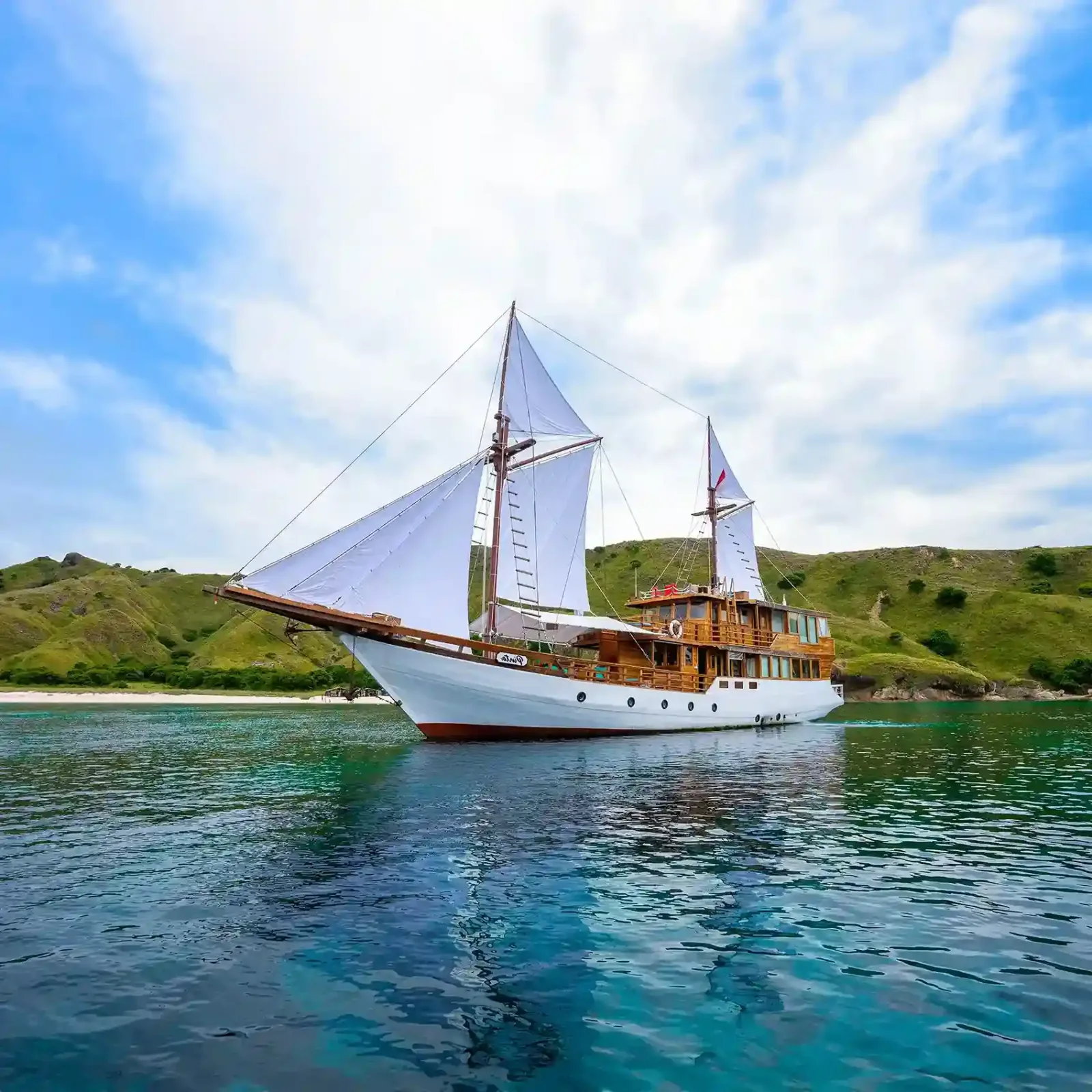
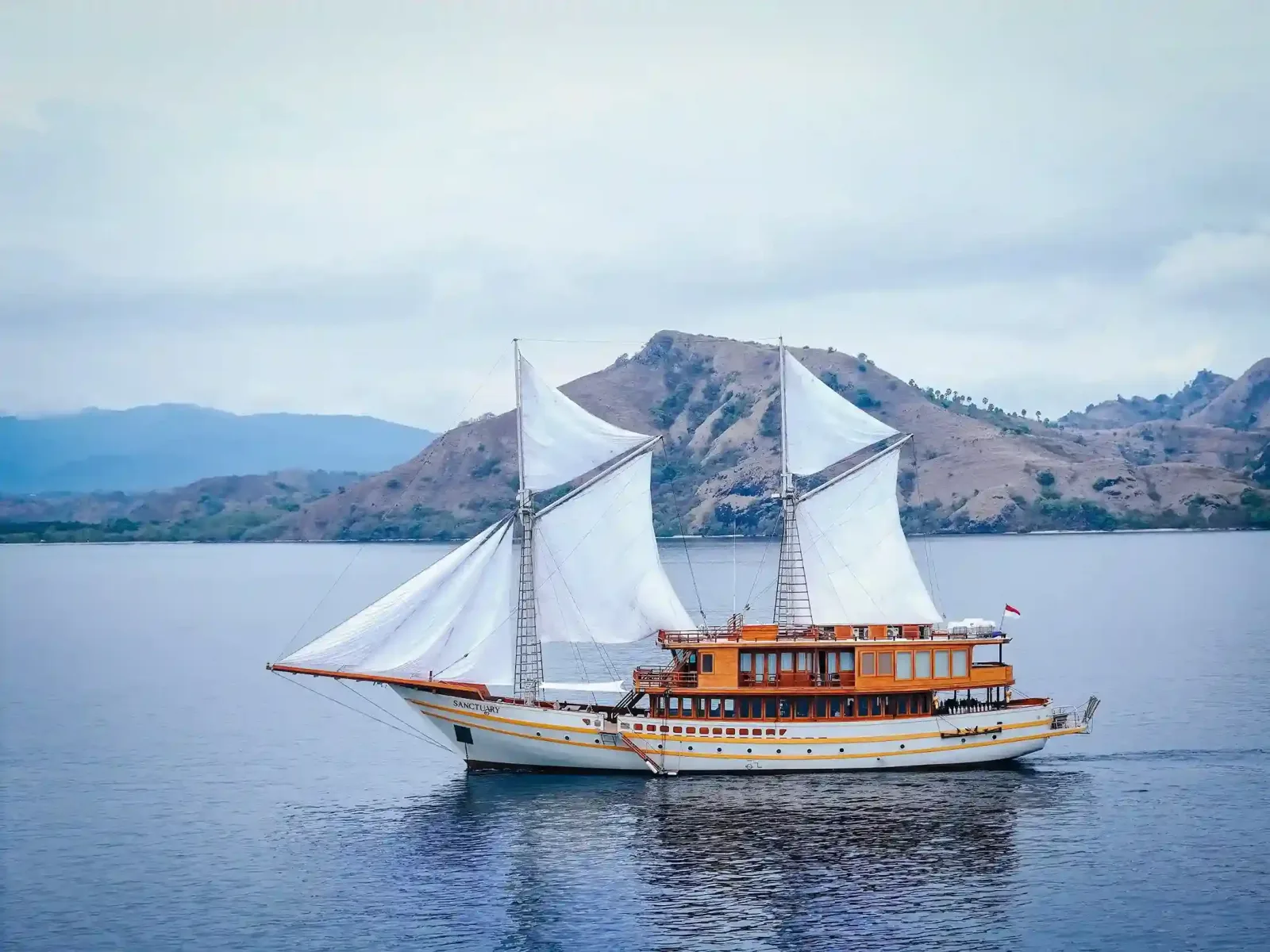
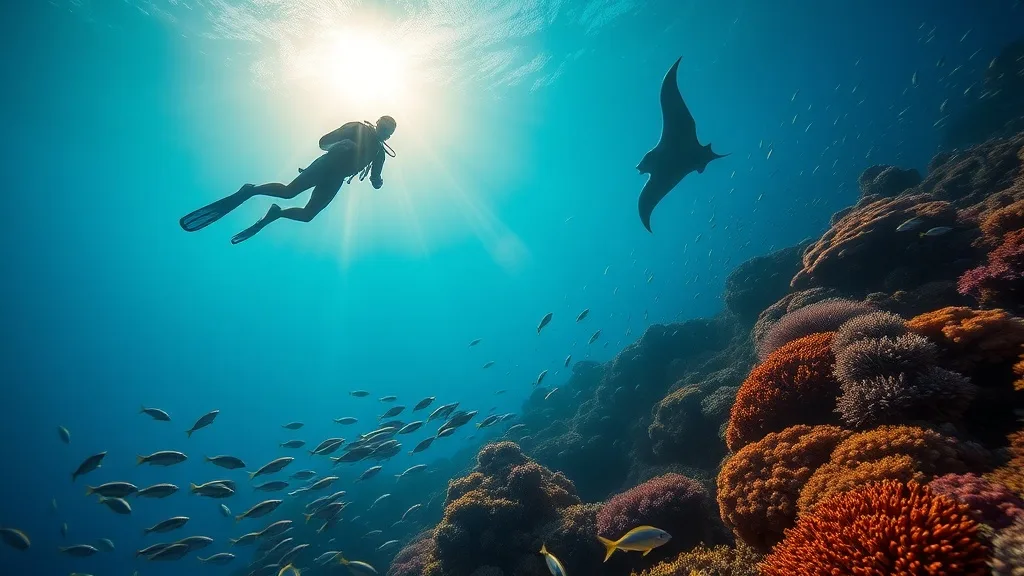
I’ve spent thousands of hours underwater in Komodo waters, and I can definitively say this destination ranks among the world’s premier diving locations. A Komodo diving yacht charter isn’t simply a vacation—it’s a gateway to encounters with giant manta rays, thriving coral gardens, unique underwater topography, and marine biodiversity that changes how you understand ocean ecosystems. As a diving-focused operator, I’ve designed our charters around maximizing your time at extraordinary dive sites while ensuring safety, comfort, and authentic exploration.

Why Komodo Diving Stands Apart

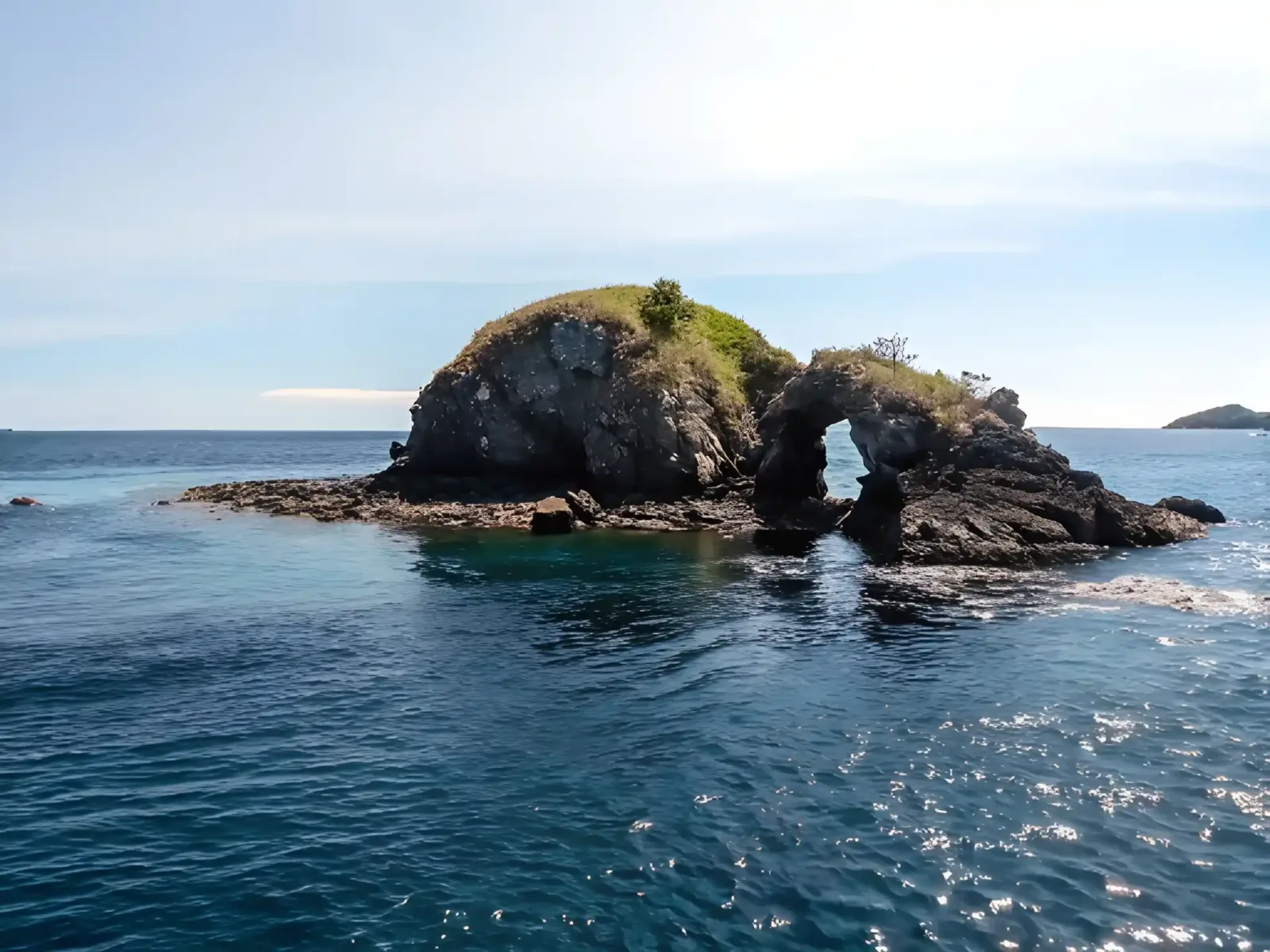
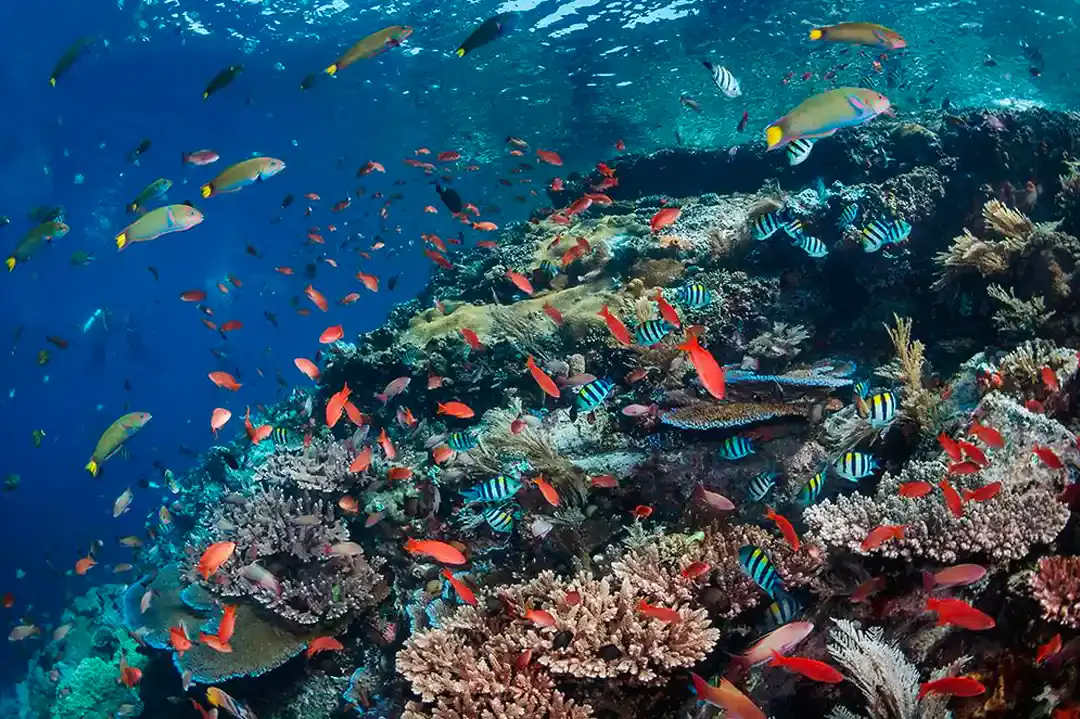
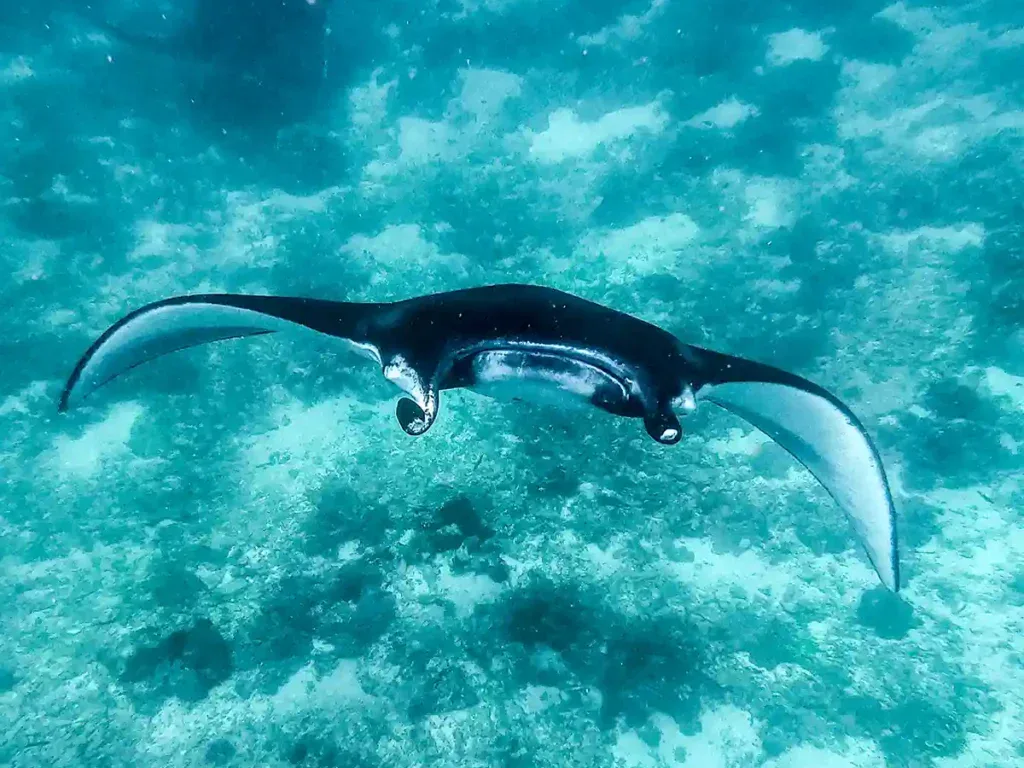
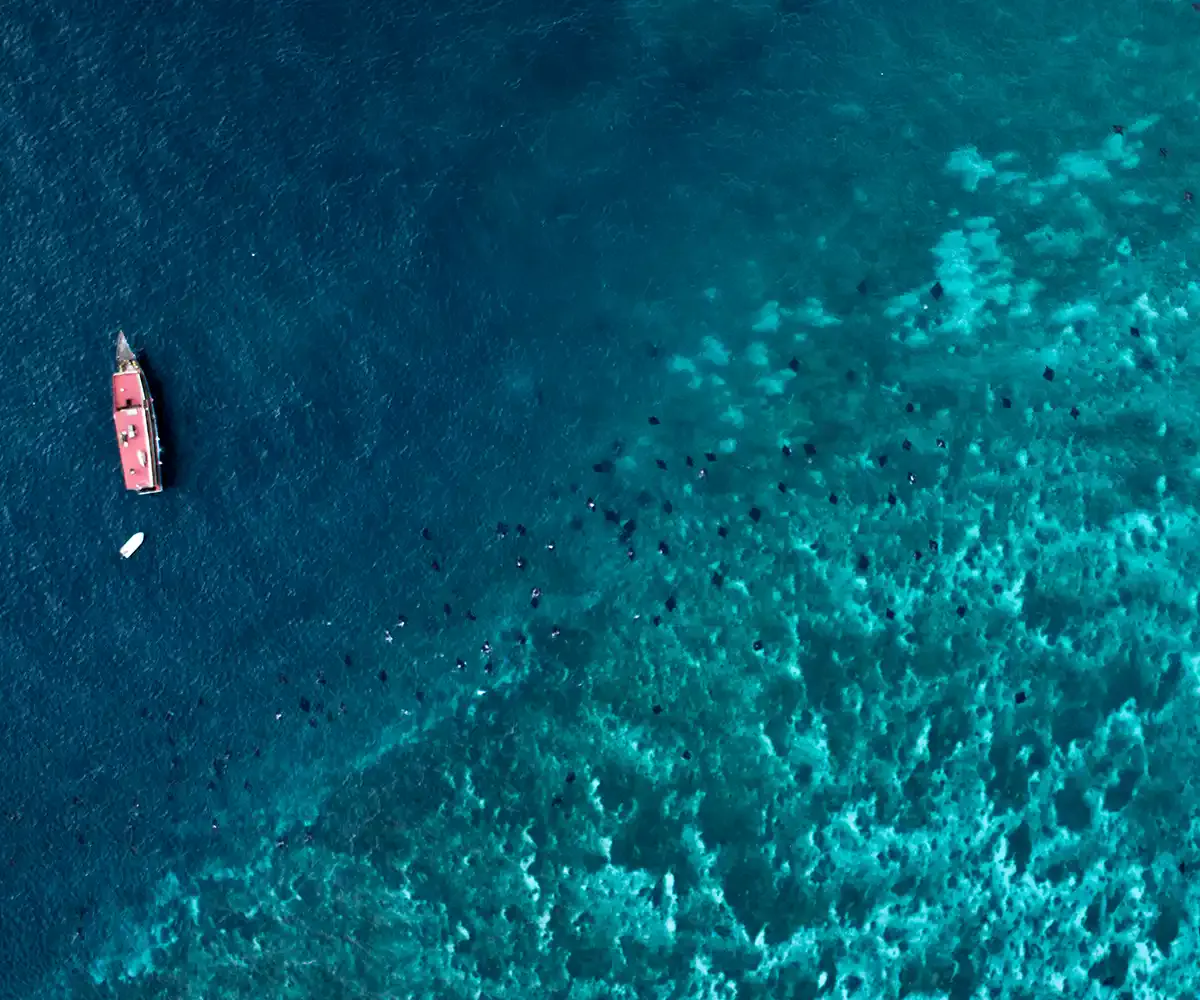
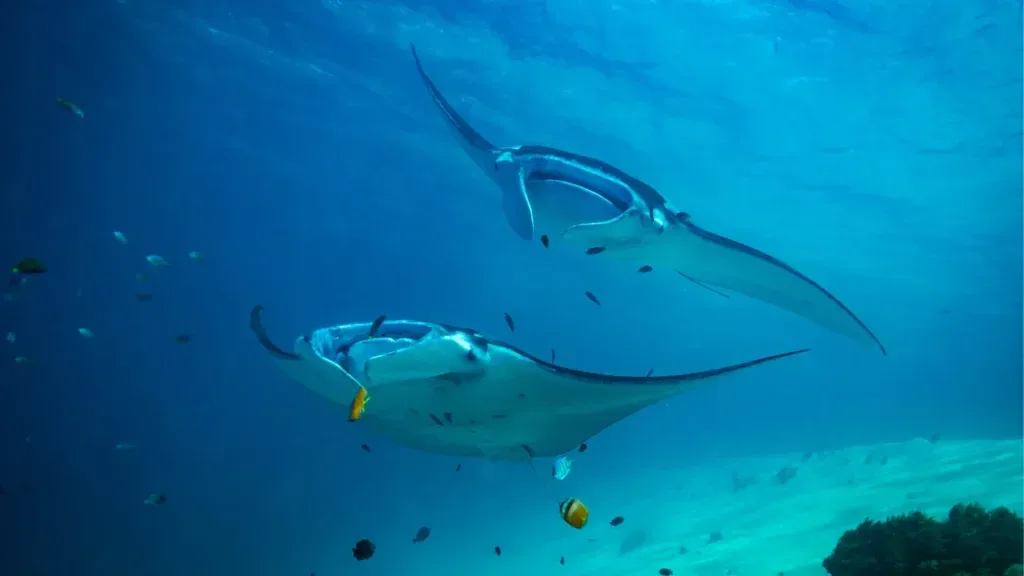
Komodo’s underwater environment presents extraordinary opportunities that few dive destinations globally can match. The convergence of ocean currents creates nutrient-rich waters attracting mega-fauna—including mantaray gatherings at Manta Point, where seasonal aggregations number in the hundreds. The region’s volcanic geology produces underwater topography ranging from steep drop-offs to stunning macro environments.

What distinguishes Komodo diving is accessibility paired with authenticity. You’re not diving crowded, over-visited sites. Our knowledge of local conditions, seasonal patterns, and site logistics means you encounter pristine environments with minimal other divers. I maintain exclusive relationships with local guides and permit holders, ensuring strategic site selection based on real-time conditions rather than generic itineraries.

Premier Dive Sites on Our Route

Our yacht positions you at the region’s most exceptional dive locations:

Manta Point
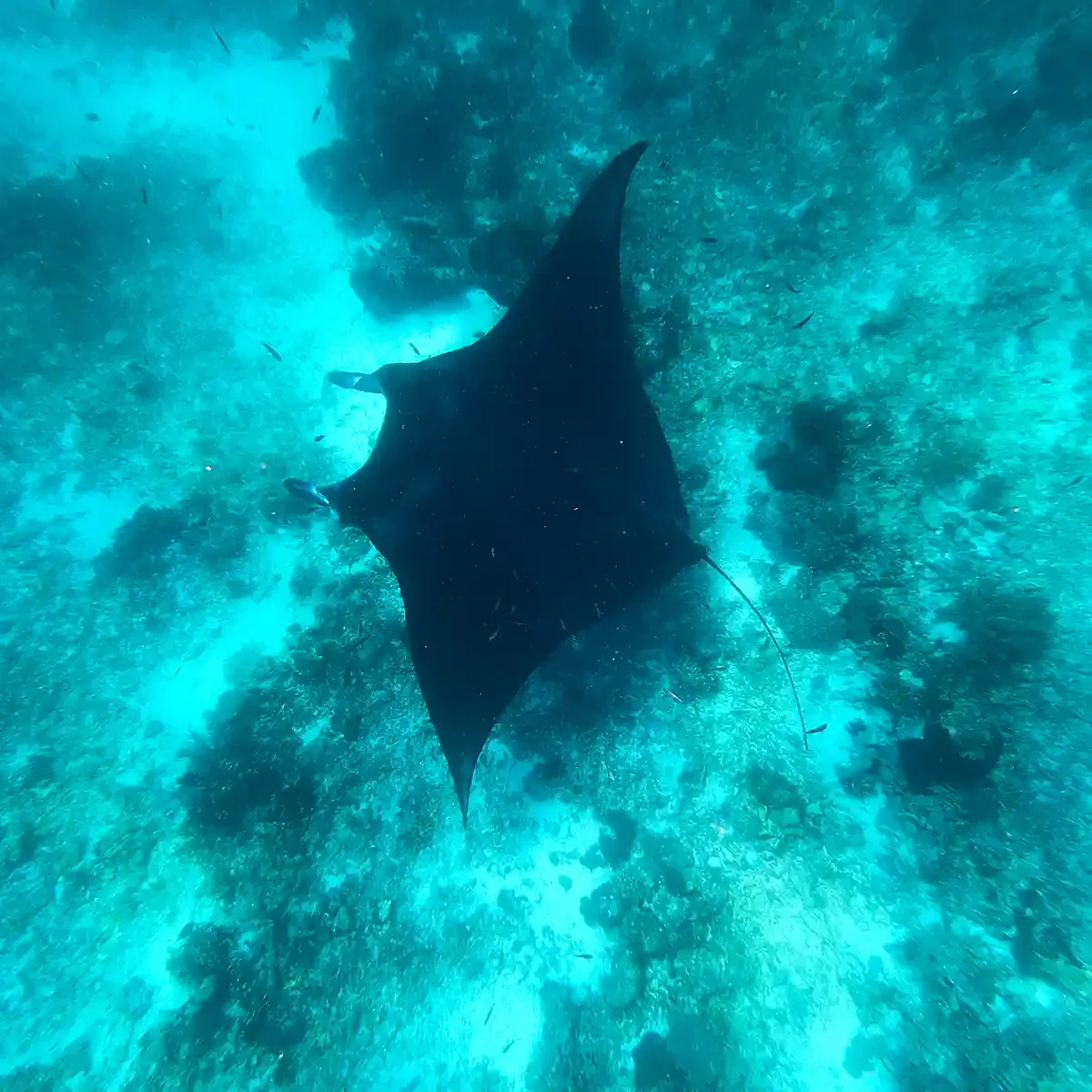
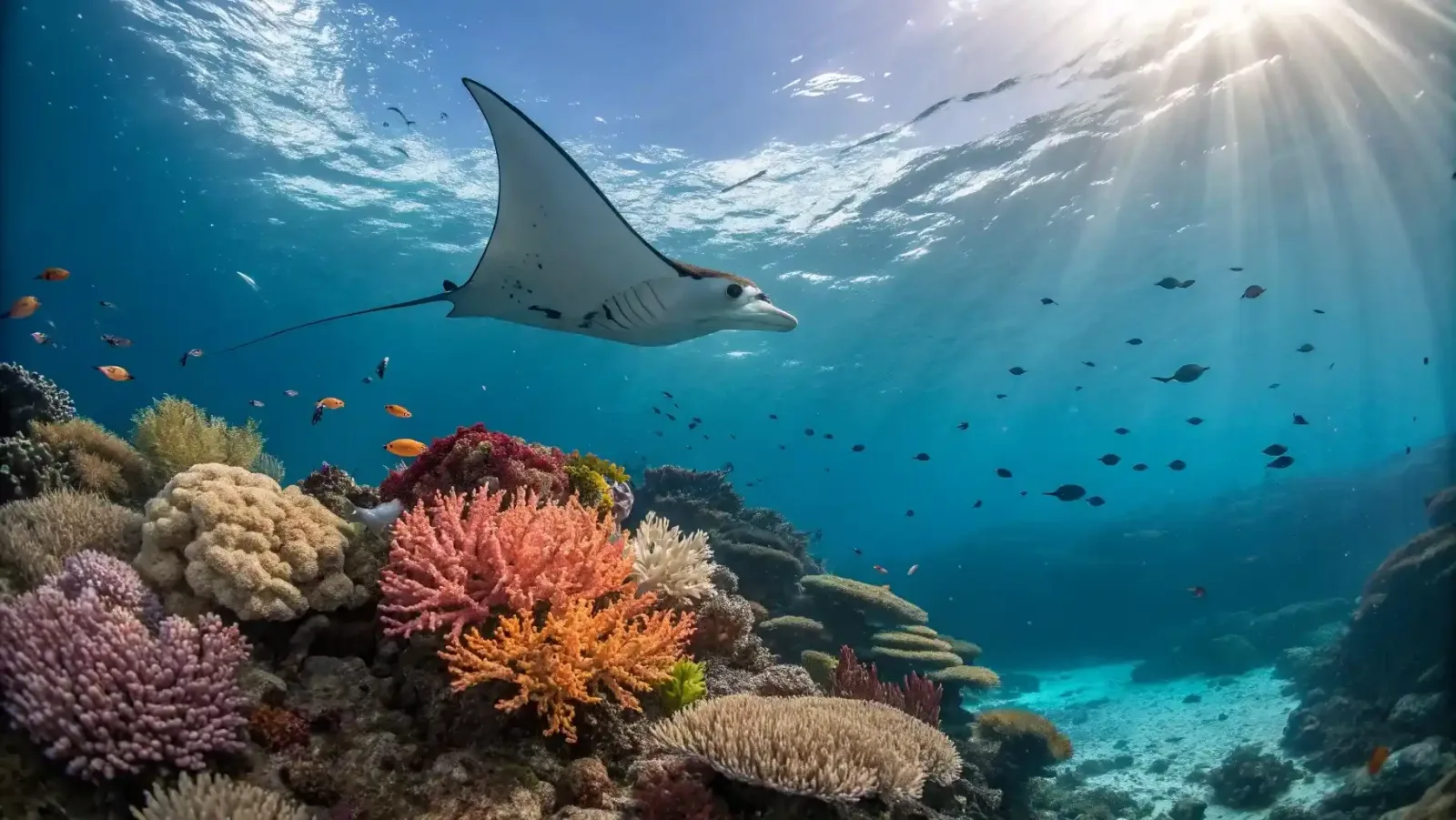
The signature Komodo dive experience. Seasonal gathering grounds for giant mantas drawn by nutrient plankton. Encounters typically involve multiple mantas in single dives, providing face-to-face moments with these graceful giants. We dive during optimal seasons (November-April peak season) when aggregations are reliable.

Crystal Rock
A submerged pinnacle offering vibrant hard coral gardens, strong currents attracting pelagic species, and excellent opportunities for both photography and macro exploration. Visibility typically exceeds 25 meters. The dive accommodates all certification levels with careful site management.

Batu Balong
A dramatic rocky outcrop with significant depth variation. Strong currents bring nutrients and fish schools. Notable for larger species encounters—sharks, groupers, and occasionally rays. An advanced-level site offering rewarding encounters for experienced divers.

Gili Laba
A gentle site featuring volcanic black sand slopes, excellent macro diversity, and reliable encounters with critters. Ideal for photographers focusing on smaller subjects and behavioral observations. Current-dependent but generally accessible to intermediate divers.

Castle Rock
An adrenaline site featuring dramatic vertical topography, swift currents, and regular encounters with sharks, rays, and large pelagics. An advanced-level dive providing unforgettable experiences for appropriately certified divers.

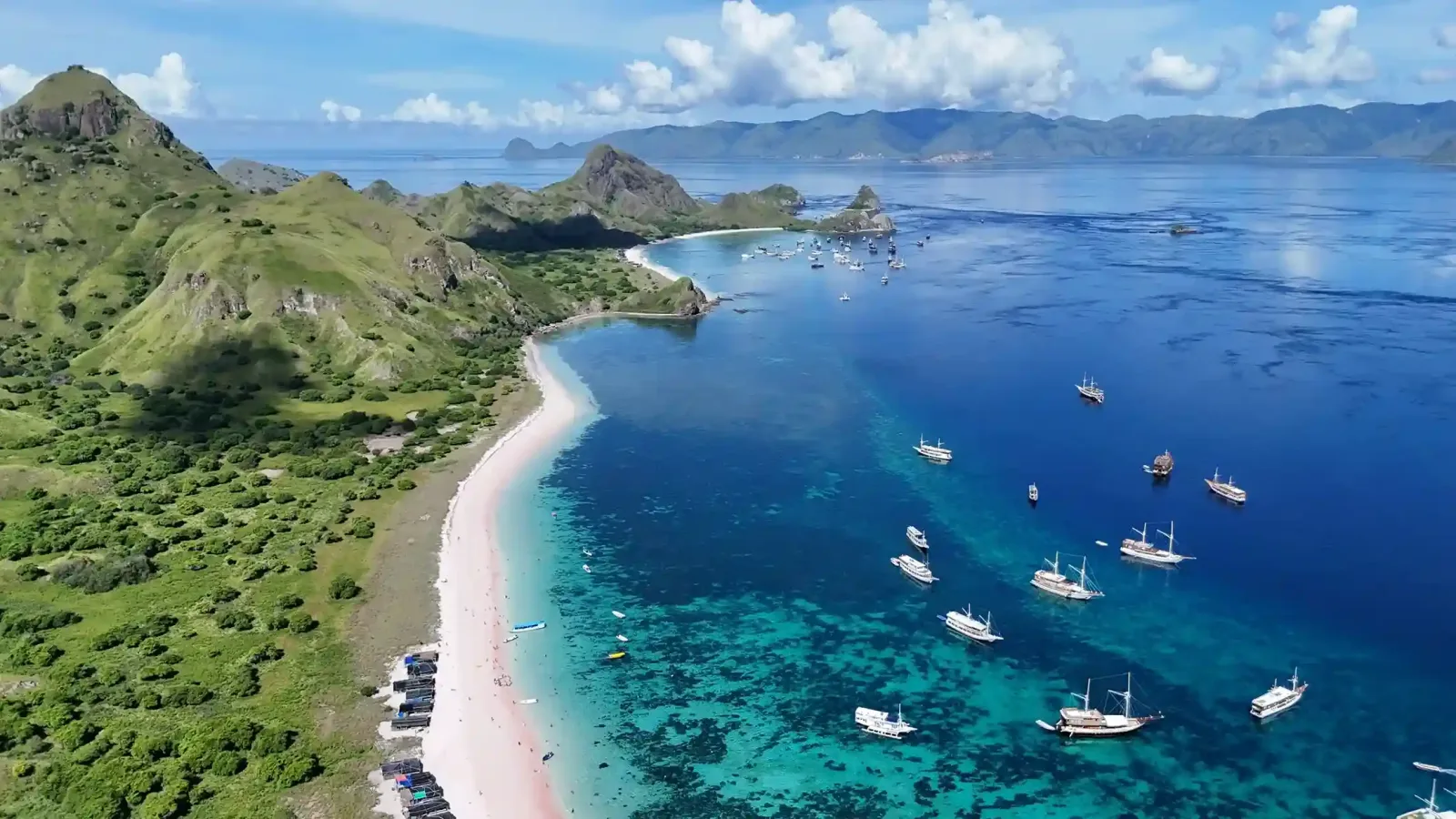
Pink Beach Fringing Reef
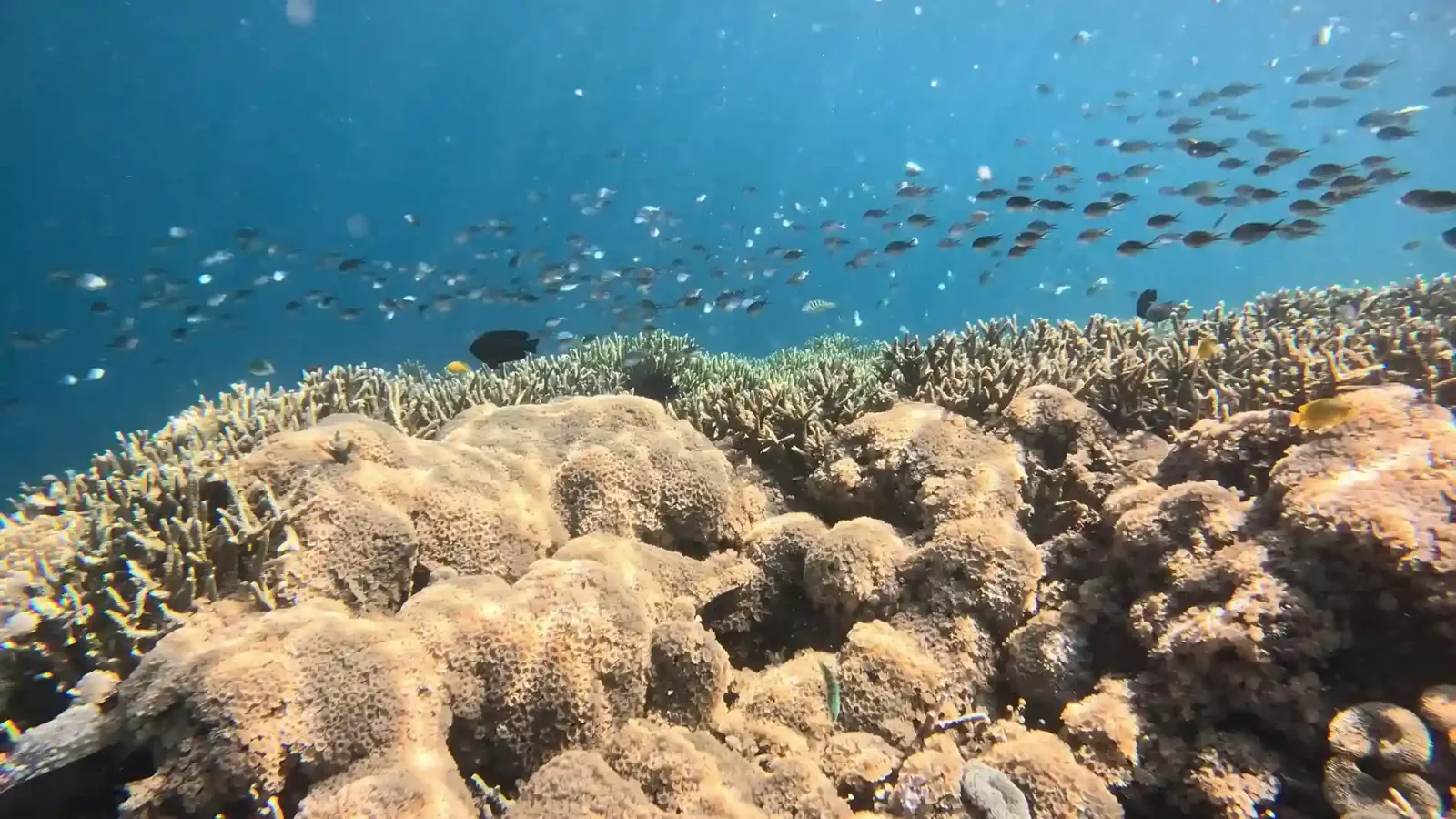
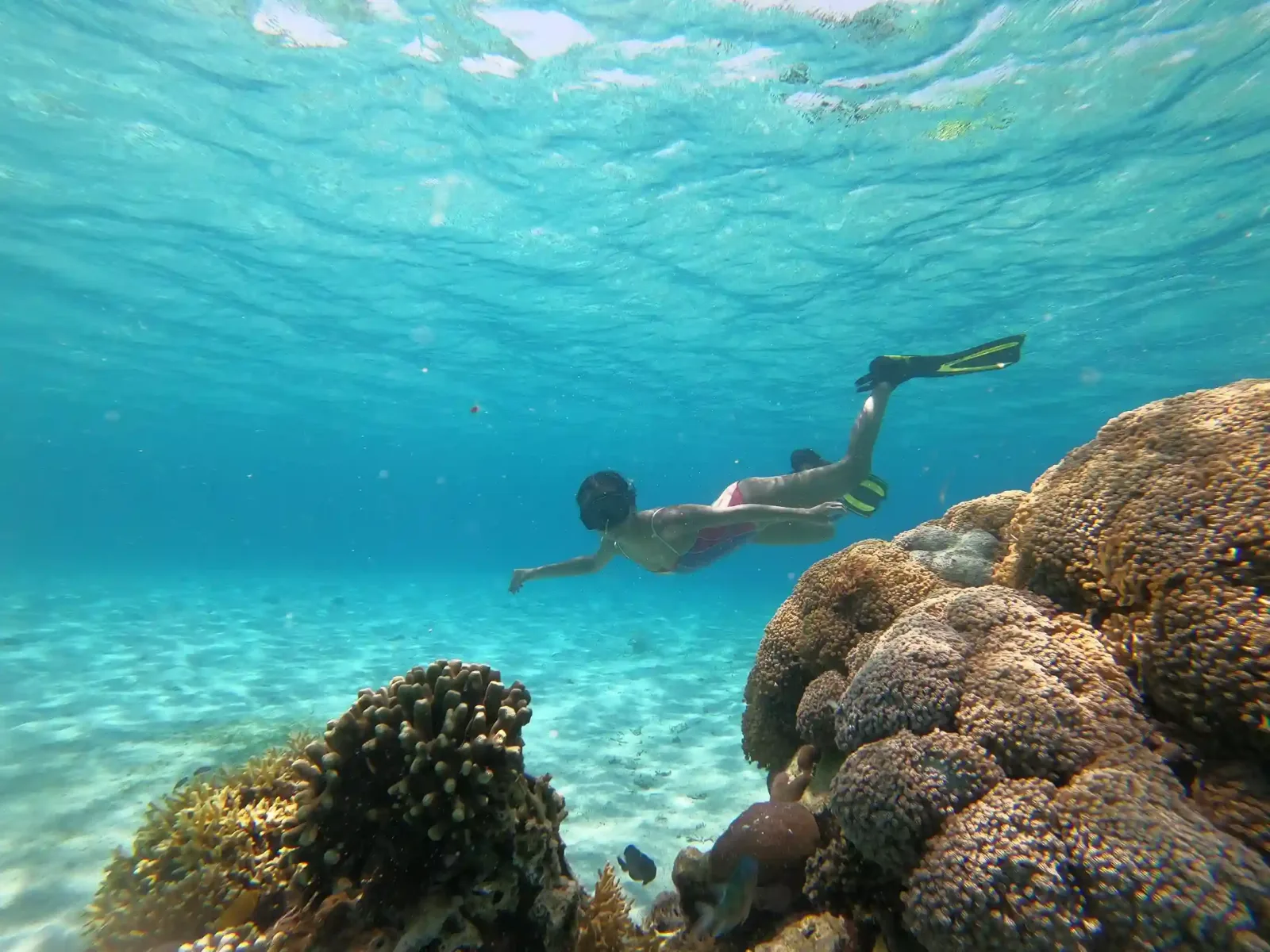
Accessible, shallow coral gardens offering excellent biodiversity documentation. Ideal for certification-level divers, beginners, and photographer subjects. Beautiful coral formations and endemic fish species. A peaceful contrast to stronger current sites.

Dive Operation Standards

My commitment to diving safety and experience quality reflects operational standards exceeding industry norms:

  • All divemasters hold active PADI/SSI instructor-level certifications or higher
  • Equipment maintained to international technical standards; backup systems for critical gear
  • Dives conducted in small groups—maximum 4 divers per guide, typically 2-3 divers per guide
  • Comprehensive pre-charter dive briefings addressing site conditions, marine life, safety protocols
  • Real-time site assessment determining day-of-dive decisions based on actual conditions
  • Rescue-qualified crew maintaining first-aid/oxygen availability and emergency procedures
  • Nitrox available for divers with appropriate certifications and prerequisites
  • Detailed dive logs maintained for progression tracking and certification validation

Certification & Skill Development

Our charters accommodate divers across certification levels. Whether you’re pursuing your initial Open Water Certification, advancing to Advanced Open Water, or seeking technical skill development, we provide structured education combined with extraordinary practice environments.

For certification-course participants, our instructors deliver comprehensive training using Komodo’s natural diversity as the classroom. Open Water certifications are completed within charter itineraries, transforming your certification dives into genuine exploration rather than confined training exercises. Advanced certifications focus on specialized techniques—deep diving, advanced navigation, specialty field techniques.

Recreational divers benefit from guided interpretive dives where our naturalists explain marine biology, geological formations, ecological relationships, and conservation status of observed species. Dives become interactive learning experiences rather than silent underwater recreation.

Diving Itinerary Structure

Our standard diving charters typically include 4-5 dives daily for experienced divers, with timing designed around optimal light and current windows. Daily structure generally follows this pattern:

Pre-dawn Briefing covers site-specific information, dive plan, safety considerations, and marine life expectations. We discuss environmental conditions, discuss entry/exit procedures, and review communication protocols.

First Dive (Morning) typically targets premium sites during peak visibility and current conditions. Dives generally run 45-60 minutes with safety stops. Surface intervals include breakfast, hydration, and equipment service.

Second Dive (Late Morning) may continue at the site or transition to alternative locations based on conditions and group preferences. Lunch follows with comprehensive rest time.

Third Dive (Afternoon) often targets specialty sites or alternative environments. Some charters include shore-based dives at Pink Beach or island-based exploration.

Fourth/Fifth Dives (Late Afternoon/Evening) vary by charter profile. Some groups pursue night dives revealing nocturnal species behavior; others prefer twilight dives capturing behavioral transitions. Evening dives occur within specified timeframes ensuring surface exit before darkness.

Each dive includes detailed debriefing, log entry, and optional presentation addressing marine biology, conservation, or site geology. Evening presentations help contextualize observations, deepen ecological understanding, and prepare for subsequent dives.

Equipment & Technology

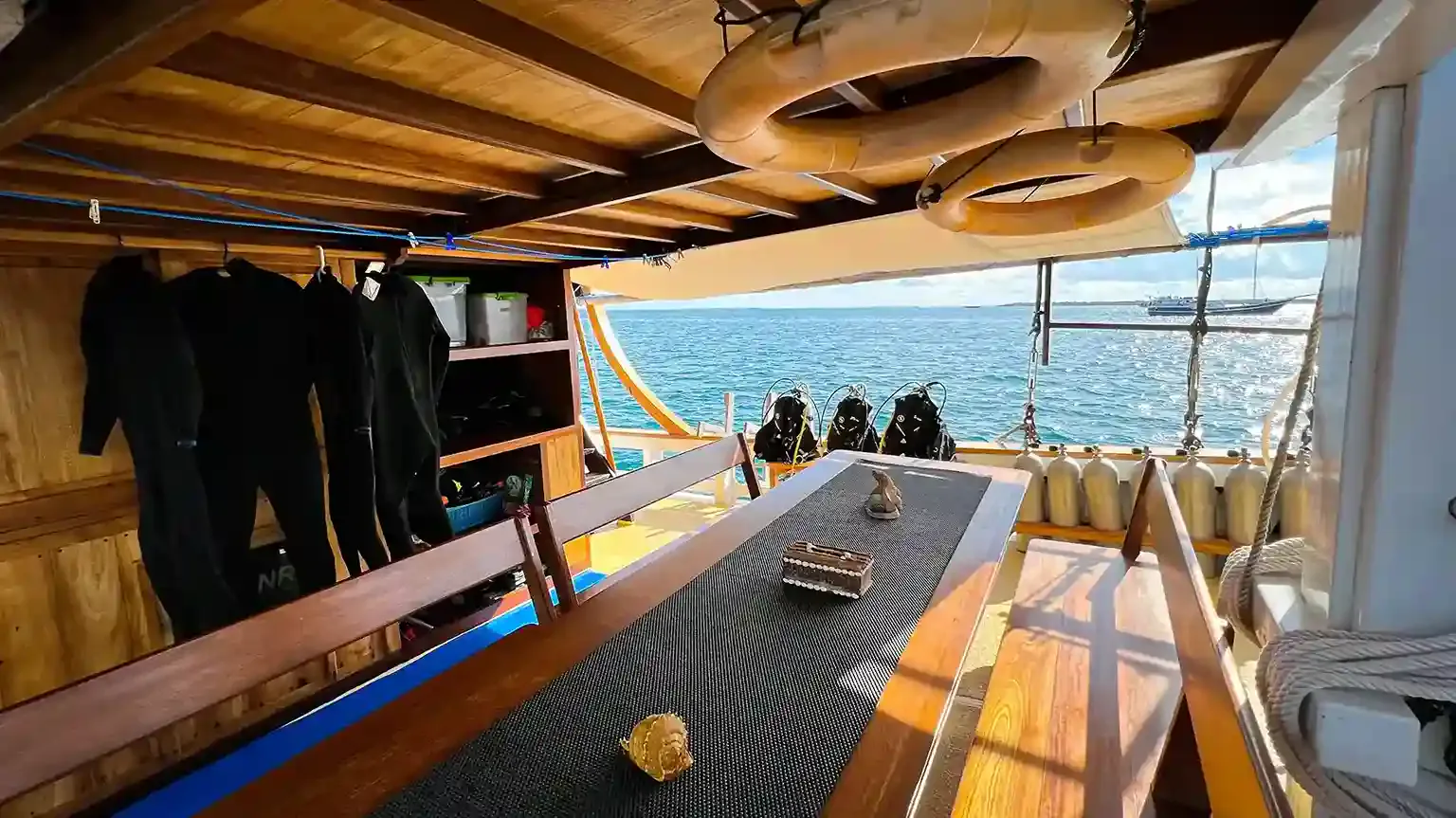
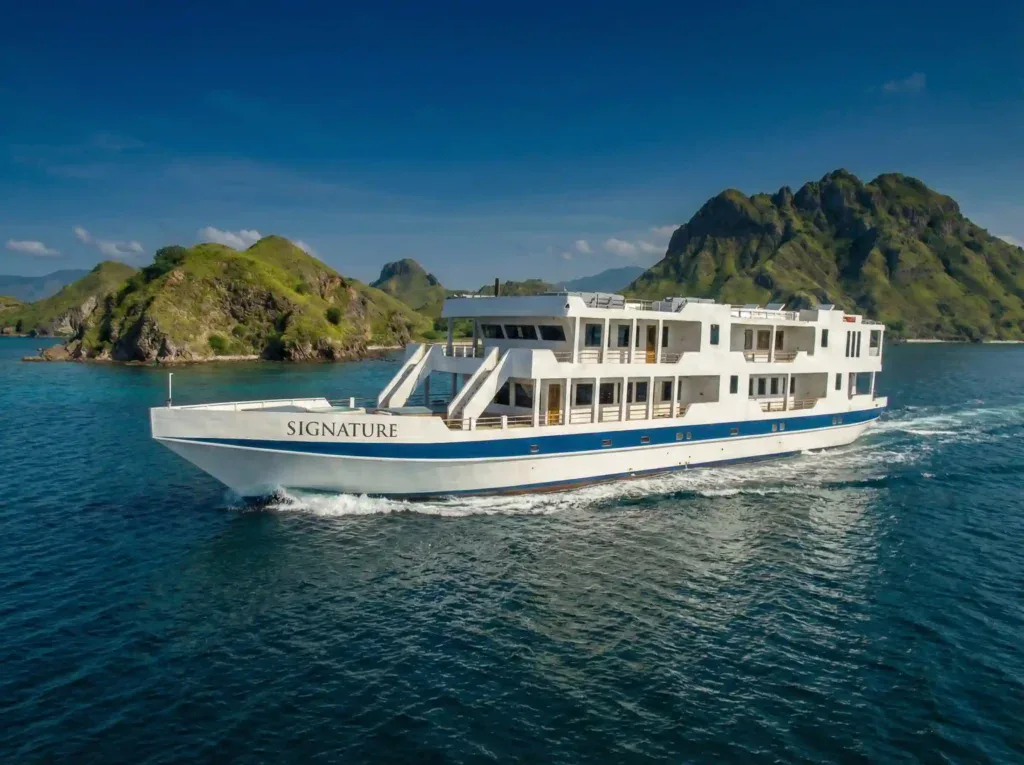
Our diving yacht carries comprehensive equipment supporting various dive profiles. We provide tanks, weights, exposure protection, and basic safety gear. Most divers bring personal BCDs, regulators, and computers reflecting individual preferences and comfort. We accommodate rental gear at reasonable rates with advance notice.

On-board facilities include dedicated dive deck areas with freshwater rinse systems, equipment storage, and maintenance stations. Photography equipment—including underwater cameras, lighting systems, and macro configurations—can be transported or rented through our networks. We facilitate GoPro mounting, DSLR housing support, and editing workstations for enthusiasts.

Modern navigation and dive computers supplement our traditional route knowledge. Real-time weather monitoring, current assessment, and dive condition analysis inform daily site selection. This combination of experience and technology ensures optimal site utilization.

Seasonal Diving Patterns

Komodo diving operates year-round, with distinct seasonal characteristics informing dive site selection and experience quality. Peak diving season (November through April) features optimal visibility, calm sea conditions, and manta ray aggregations. Intermediate seasons (May-June, September-October) offer excellent conditions with fewer divers. Summer months (July-August) bring rougher conditions but fewer tourists and unique species opportunities.

We customize diving itineraries based on your preferred season, accounting for site-specific patterns. Whether you’re targeting manta rays, pursuing calm-water technical diving, or embracing adventurous current dives, seasonal awareness shapes optimal experiences.

Pricing & Package Options

Diving-focused charters operate on similar all-inclusive pricing models as our recreational charters, with dive-specific inclusions. A 5-day diving yacht charter averages $3,200-4,500 per person depending on vessel category, group size, and certification requirements. This includes all dives, air fills, dive guide services, educational programming, meals, and accommodation.

Certification courses add modest premiums ($200-400 per diver) reflecting additional instructor time and specialized training materials. Technical diving courses and specialty certifications involve consultative pricing based on specific requirements.

All packages include marine life encounters, underwater photography opportunities, conservation education, and the irreplaceable experience of diving one of the world’s greatest dive destinations from an intimate vessel platform.

Pre-Diving Health & Logistics

Diving requires reasonable health and fitness. Our comprehensive pre-charter health questionnaires identify potential concerns. If health questions arise, we coordinate with local medical professionals experienced with diving fitness assessment. Pregnancy, cardiac conditions, recent surgeries, and certain medications may preclude diving—we navigate these considerations transparently.

Timing considerations matter significantly. We recommend arriving in Labuan Bajo at least 24 hours before diving commences. Air travel’s altitude exposure followed by immediate diving carries decompression risk; this 24-hour buffer allows proper adjustment. Similarly, we discourage diving within 24 hours before commercial flights due to decompression concerns.

Sea sickness preventative medication, fitness conditioning, and realistic expectations about physical demands all contribute to successful diving experiences. Our crew provides experienced guidance addressing these preparation aspects.

Beyond Diving: Integrated Experiences

While diving forms the charter’s foundation, exceptional diving charters integrate multi-sensory experiences. Surface intervals include island exploration, snorkeling non-diving guests, cultural visits, and naturalist-led educational programming. Sunset observations, night sky exploration, and vessel-based wellness activities complement underwater focus.

This integrated approach means partners, family members, or companions without diving certification still experience extraordinary charters. They snorkel pristine reefs, explore islands, document photography, participate in cultural interactions, and share meals and experiences with diving companions—all within a cohesive itinerary.

Conservation & Responsible Diving

Komodo diving operates within established conservation frameworks. The Komodo National Park has strict environmental regulations we actively support. Our practices minimize reef impact—training neutral buoyancy, restricting contact with live coral, limiting group sizes at sensitive sites. We follow established dive codes and support local conservation initiatives through direct contributions and volunteer participation.

Diving Komodo means contributing to conservation awareness. Observers watching our practices learn environmental stewardship; we engage in coral restoration projects, participate in marine research initiatives, and support community-based conservation efforts. Your diving experience actively contributes to Komodo’s environmental protection.

FAQ – Komodo Diving Yacht Charter

What certifications are required for diving in Komodo?
Minimum PADI Open Water Certification or equivalent is required. This certifies you for depths to 40 meters. Some advanced sites require Advanced Open Water or equivalent. Uncertified divers can participate in Discovery/Referral programs where instruction occurs during charter.

How are group dive sizes managed?
Maximum 4 divers per guide, typically 2-3 divers per guide. Smaller groups ensure attentive supervision, personalized experience, and superior safety. Group composition—considering certifications, experience levels, and diving styles—informs guide assignments.

What happens if conditions are unsuitable for diving?
Rare but possible. Safety supersedes itineraries. If site conditions become hazardous, we adjust to alternative sites or postpone dives. Contingency activities—snorkeling, island exploration, cultural experiences—ensure meaningful days even if diving isn’t feasible.

Can I bring my own dive equipment?
Absolutely. Many divers bring personal BCDs, regulators, computers, and wetsuits. We provide tanks, weights, and basic safety gear. Rental equipment is available at reasonable rates with advance notice. Technical diving equipment requires advance coordination.

Are underwater photographers supported?
Yes. We accommodate photography-focused diving with patient guides, optimal lighting awareness, and stable positioning for photography subjects. Underwater camera rentals, housing support, and editing workspaces are available. We schedule dives around photography opportunities.

What marine life should I expect encountering?
Reef fish, sharks, rays, groupers, and sea turtles are common encounters. Manta rays are seasonal highlights (November-April). Large pelagics, octopi, nudibranchs, and seahorses appear regularly. Every dive offers distinctive encounters reflecting site characteristics and seasonal patterns.

Ready to Start Your Komodo Adventure?

Contact our charter specialists for a personalized itinerary and exclusive pricing.

WhatsApp Us Now
WhatsApp Komodo Private Yacht