Komodo Liveaboard: The Ultimate Diving Destination
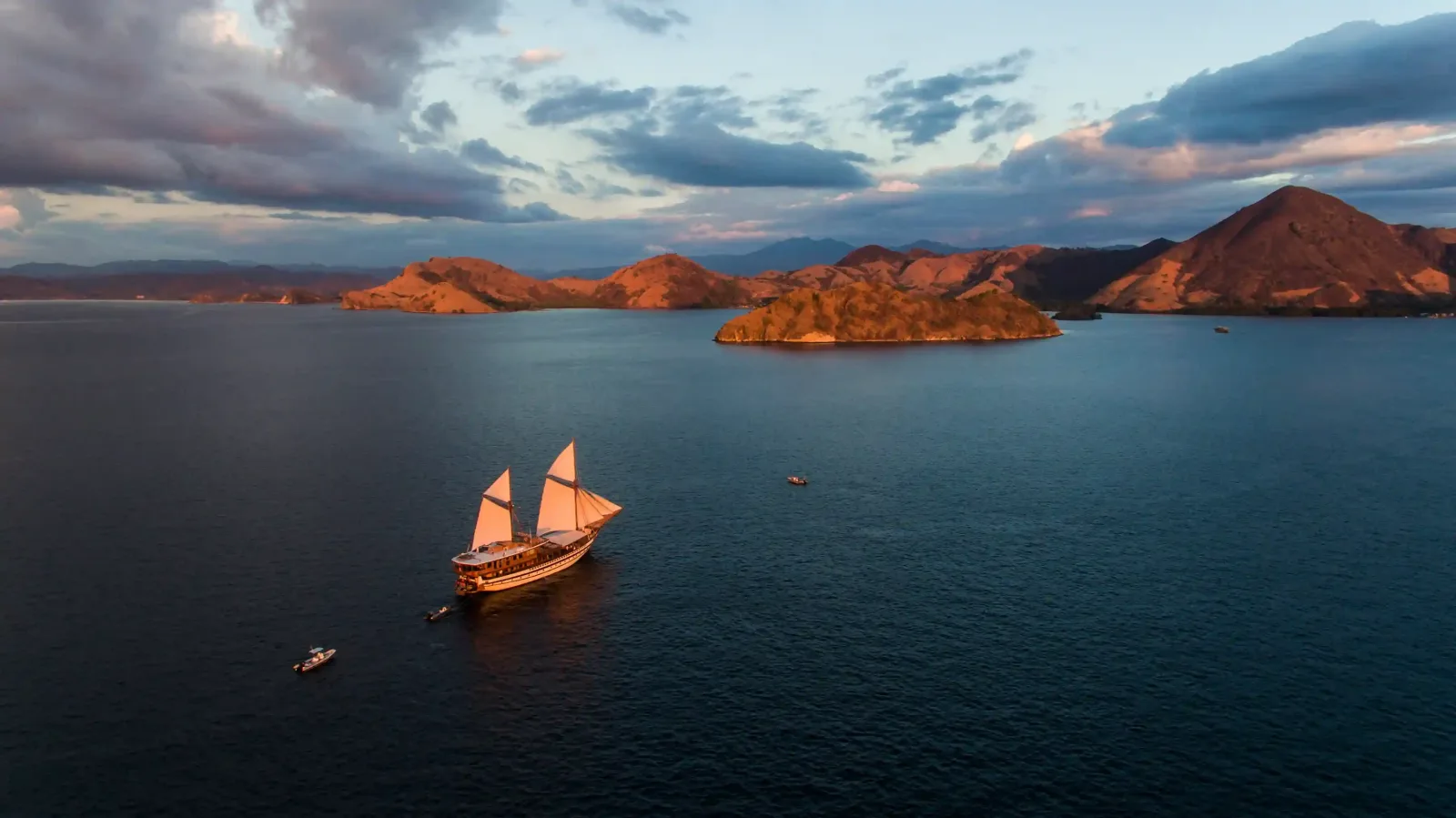
Serious divers understand what liveaboard diving represents—maximum water time, unlimited exploration, and immersion in underwater worlds that day-trip operations simply cannot access. As someone who’s logged over 3,000 dives in Komodo waters, I can unequivocally state that liveaboard diving here ranks among Earth’s premier underwater experiences. Our Komodo liveaboard operations deliver precisely that: exceptional diving, professional crew, luxury accommodations, and the freedom to pursue underwater passion without time constraints.
Why Liveaboard Diving in Komodo Excels
Liveaboard diving fundamentally differs from day-trip operations. Day divers face time limitations—they dive in morning, return to shore, spend remaining hours on land activities. Liveaboard divers maximize underwater time. Wake before dawn, dive when currents peak and wildlife is most active. Conduct multiple dives daily at varied depths and locations. Evening dives when bioluminescent organisms animate the reef. This access transforms diving from recreational activity into genuine immersion.
Komodo’s specific attributes amplify liveaboard advantages. Our dive sites scatter across expansive waters requiring significant travel time from Labuan Bajo. Day operations struggle reaching premium sites; liveaboards position directly among them. Seasonal currents create brief windows of optimal diving conditions. Staying aboard allows pursuing these windows with flexibility impossible from land-based operations. Pelagic encounters—manta rays, reef sharks, large fish schools—concentrate at specific times and locations. Liveaboards position precisely when conditions peak.
Premium Dive Sites and Underwater Ecosystems
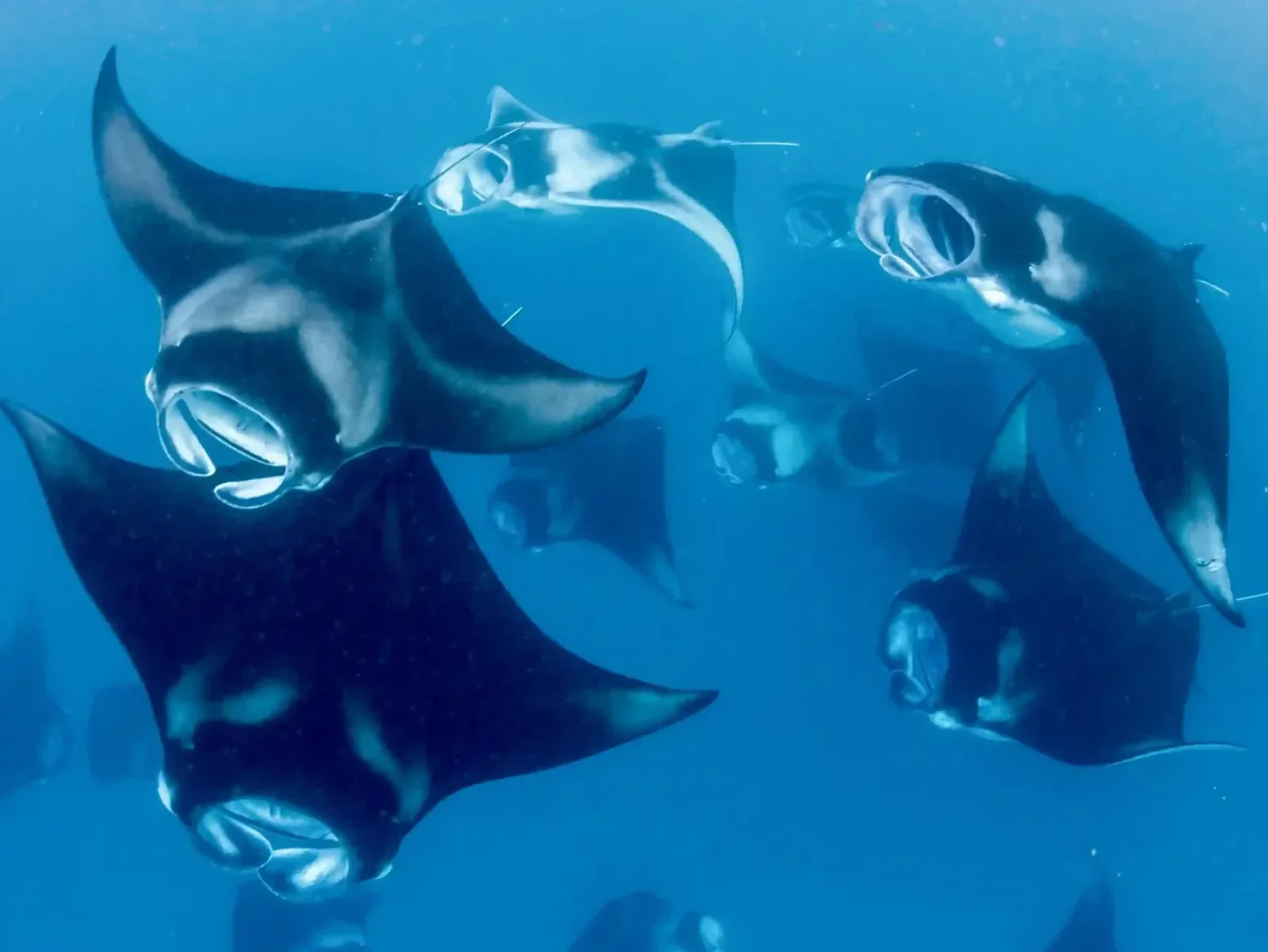
Manta Point ranks among Earth’s premier manta ray encounter locations. During season, mantas gather in astonishing concentrations—sometimes 10-20 individuals sharing a single dive site. I’ve personally witnessed dive experiences here that moved seasoned professionals to tears. The sensation of giant manta rays gliding past, their grace and intelligence evident, creates something transcendent.
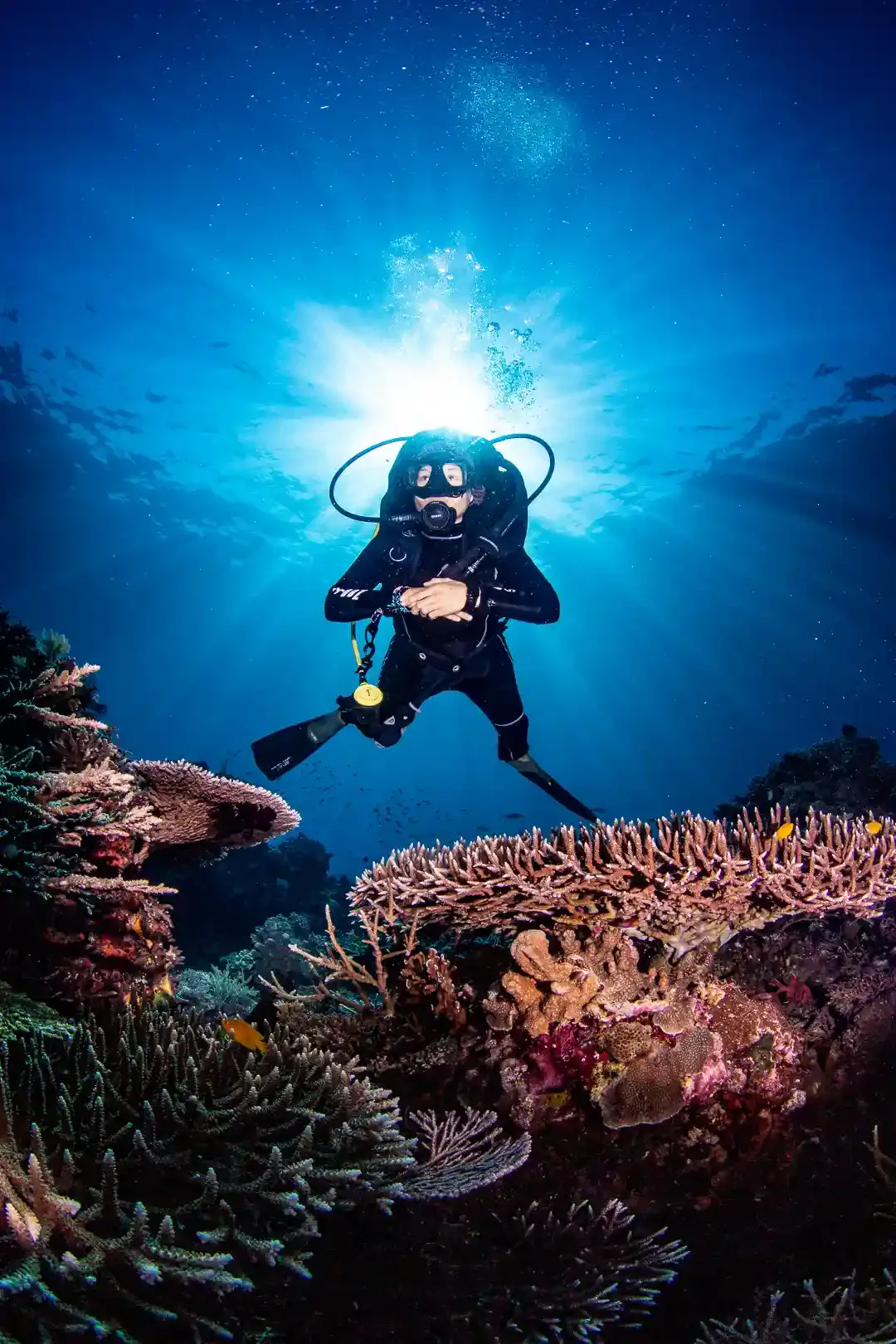
Crystal Rock delivers vibrant coral gardens ascending from deep water. Schools of trevally, fusiliers, and snappers create living architecture around coral formations. Castle Rock presents advanced diving—strong currents, dramatic underwater topography, and surprisingly consistent large animal encounters. Tatawa Besar offers diverse diving at multiple depths, excellent for varied certification levels within single expeditions. Gili Motang combines macro photography opportunities with larger wildlife encounters. Komodo’s eastern passages feature unique ecosystems with endemic fish species found nowhere else on Earth.
Marine Life Encounters and Biodiversity
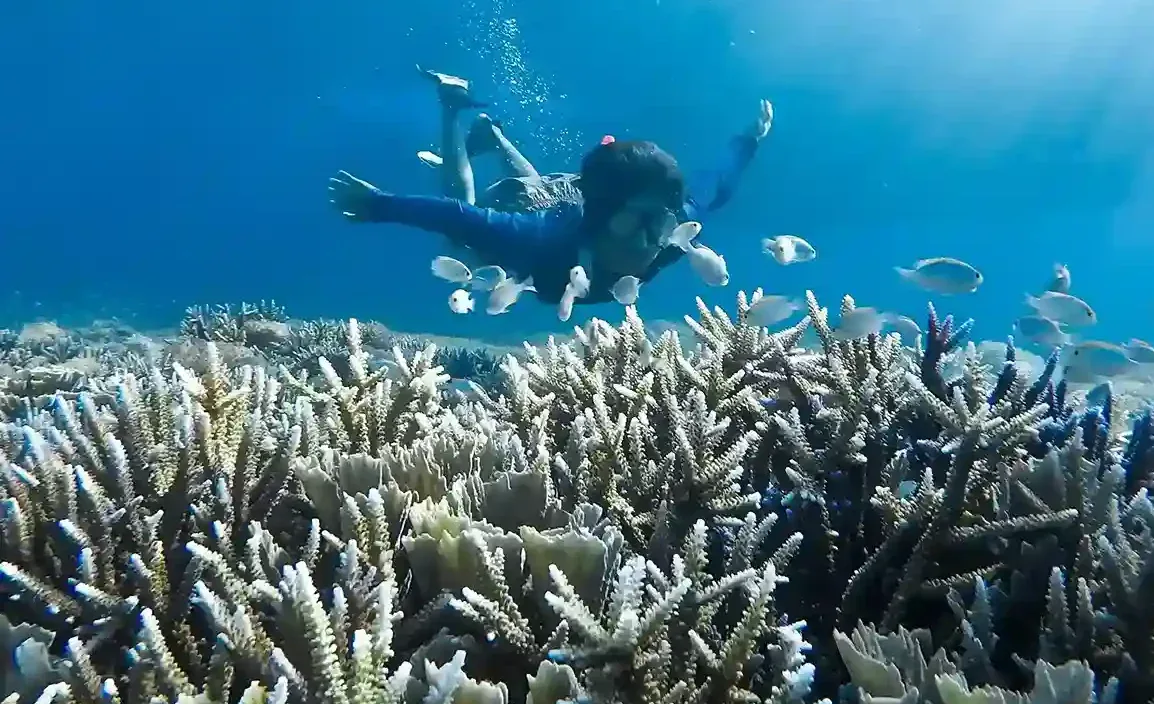
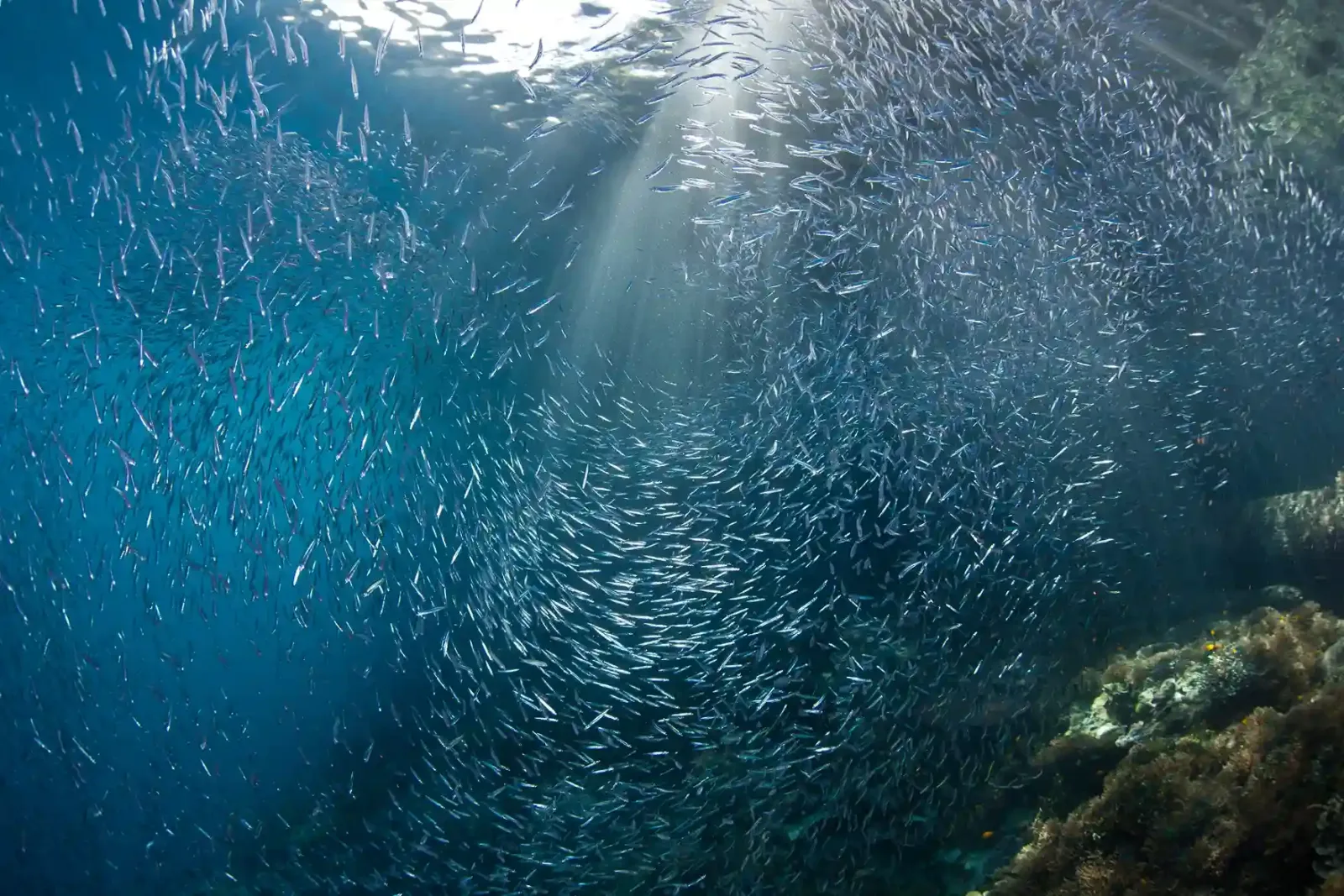
Komodo waters host approximately 1,000 fish species, representing some of Earth’s richest marine biodiversity. Beyond fish, you’ll encounter sea turtles, reef sharks, rays, cephalopods, and invertebrates creating endless observation opportunities. Manta rays steal headlines, but the real magic emerges through discovering nuanced ecosystem interactions—cleaner fish working on larger organisms, hunting sequences, reproductive behaviors, and adaptation strategies organisms employ in tropical reef environments.
Photography becomes almost effortless when such subjects surround you. Macro photographers discover nudibranches, crustaceans, and juvenile fish displaying colors and patterns rivaling terrestrial wildlife. Wide-angle photographers capture large fish schools, reef formations, and manta rays creating dynamic compositions. Even non-photographers find themselves captivated by sheer biological abundance and behavioral complexity.
Dive Schedules and Flexibility
My liveaboard operations typically schedule 4-5 dives daily, accommodating various preferences and certifications. Early morning dives often feature calm conditions and increased wildlife activity. Mid-day dives coincide with optimal light for photography. Afternoon dives explore different sites than morning expeditions. Evening dives transition into nighttime diving where bioluminescent organisms create otherworldly illumination.
Certification levels determine dive site assignments. Newly certified divers enjoy shallow, calm sites building confidence. Intermediate divers access moderate-depth sites with modest current. Advanced divers pursue challenging sites with stronger currents, deeper exploration, and demanding conditions. I personally assign divers to appropriate sites, prioritizing safety while ensuring suitable challenge levels.
Safety Standards and Professional Crew
Liveaboard diving involves inherent risks—deep water, currents, extended bottom times, and remote locations require exceptional safety protocols. I maintain the strictest standards: experienced dive masters hold multiple certifications and demonstrate exceptional in-water judgment. Equipment receives daily inspection. Nitrox blending systems maintain precise gas mixtures. Decompression computers guide every dive profile. Emergency protocols are rehearsed regularly and understood by every crew member.
I personally review every dive briefing and debrief, ensuring safety lessons inform continuous improvement. We conduct safety drills during charter orientations—emergency procedures, equipment failures, rescue scenarios are practiced thoroughly. Dive masters follow divers throughout every dive, maintaining constant awareness of diver status, bottom time, air consumption, and any safety concerns requiring intervention.
Vessel Features and Onboard Amenities
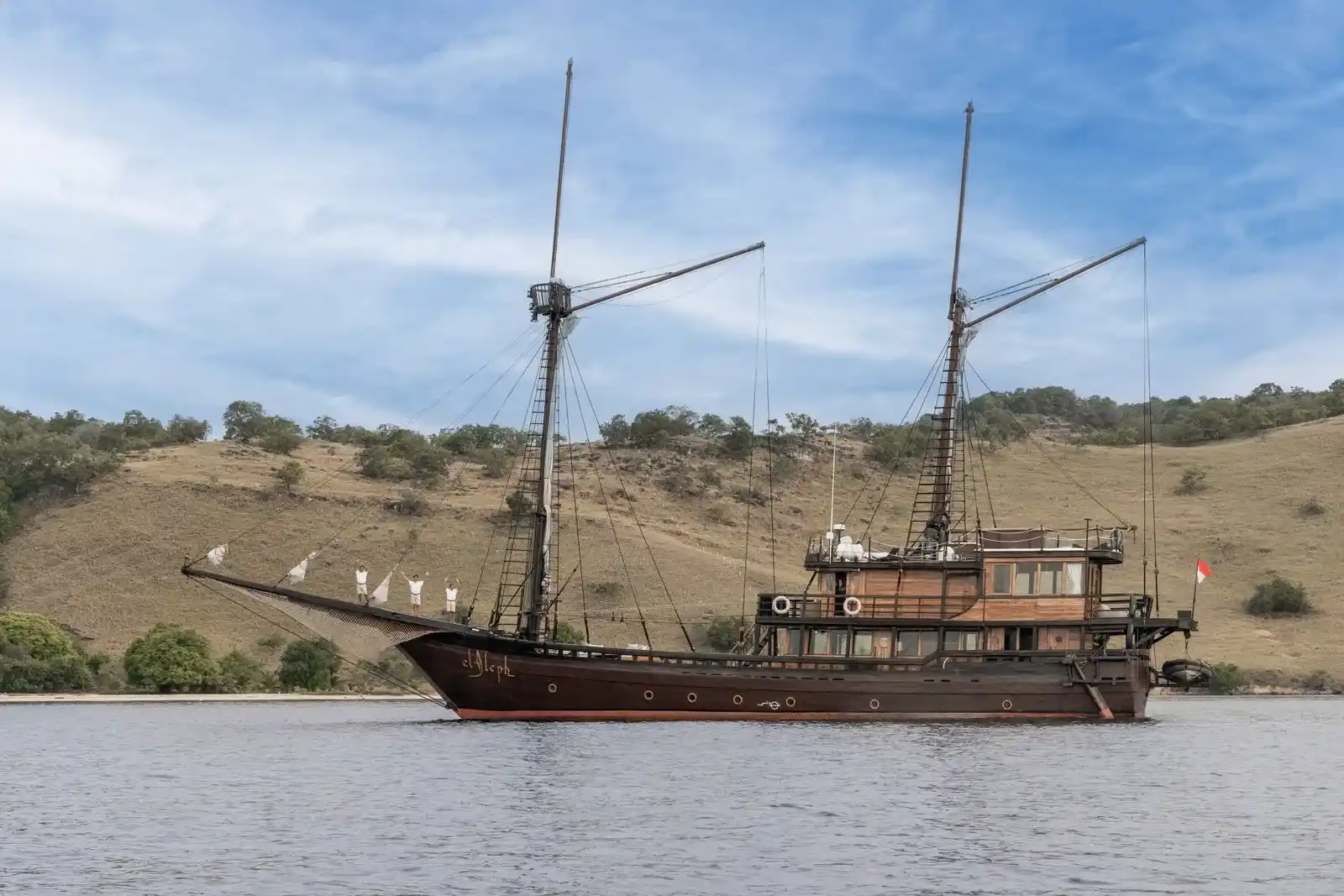
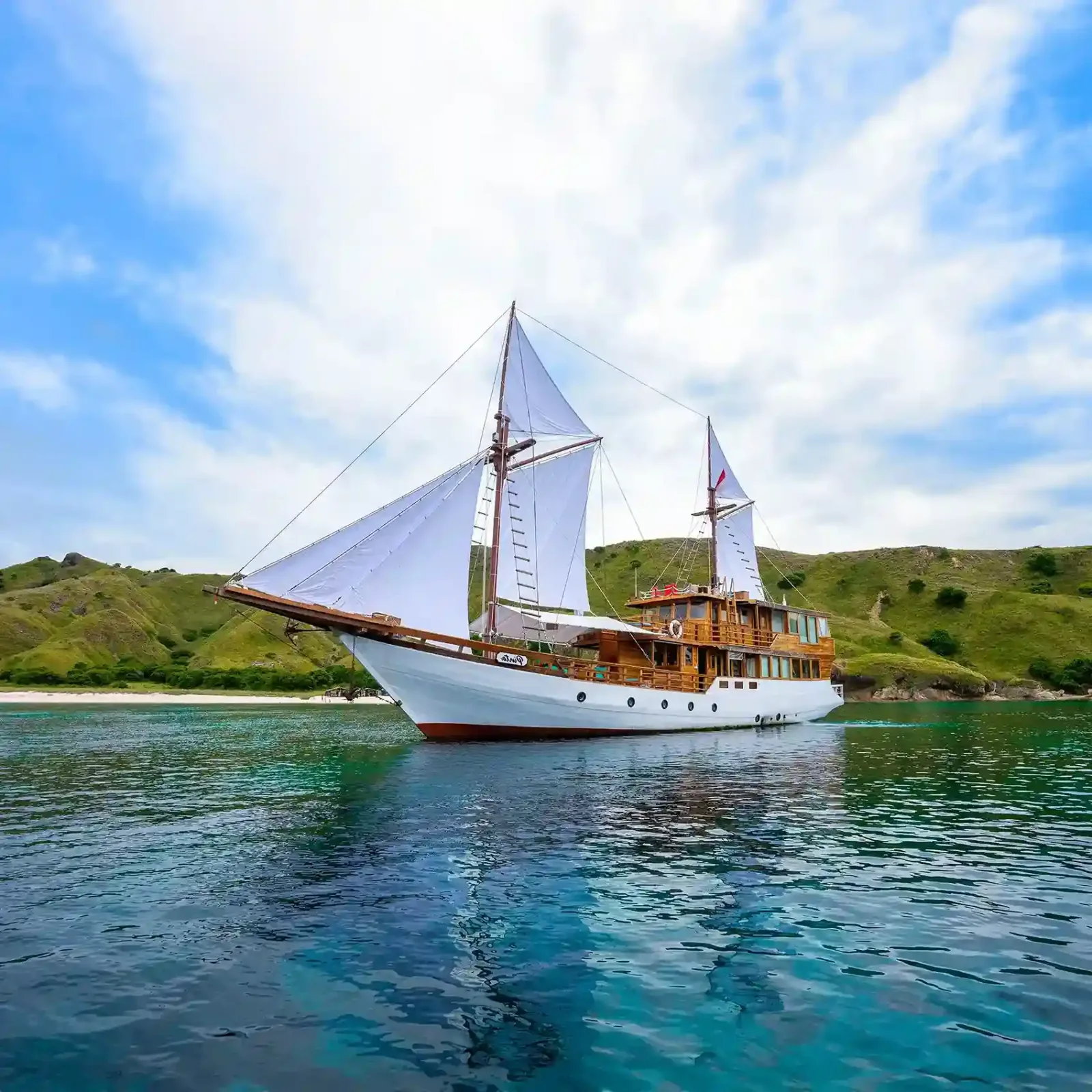
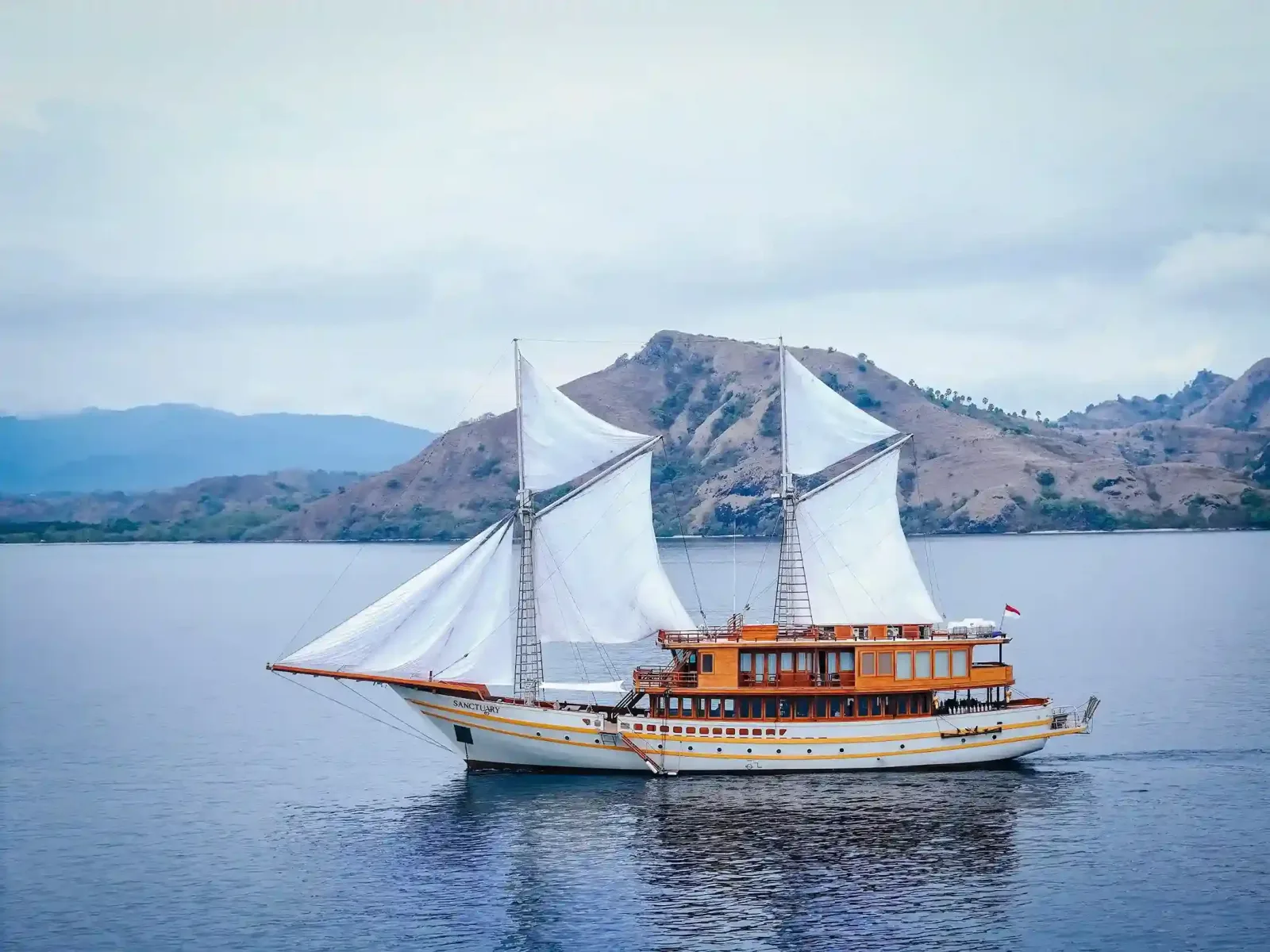
Our liveaboard vessels balance dive operation efficiency with comfort amenities. Spacious dive deck accommodates simultaneous gear setup for all divers. Equipment storage protects valuables and sensitive electronics. Rinse tanks preserve dive equipment and camera gear. Compressors produce premium air ensuring nitrox availability and regular fills. Modern navigation systems position us precisely at dive sites despite currents and weather.
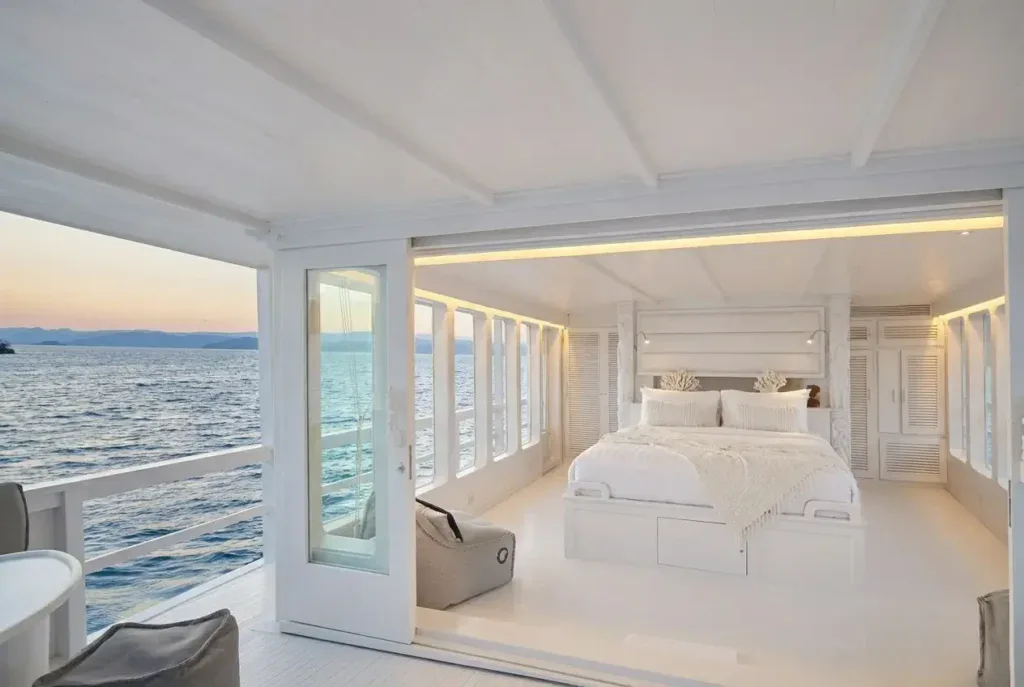
Cabins provide essential comfort for rest between diving sessions. Quality bedding ensures restorative sleep despite gentle ocean motion. Private en-suite bathrooms feature reliable fresh water. Air conditioning maintains comfortable temperatures for relaxation. Gathering spaces allow socializing with fellow divers, sharing experiences, and planning subsequent dives. Our galleys produce exceptional meals—fuel for active divers consuming significant energy through diving.
Specialization Options and Focused Diving
I offer specialized liveaboard itineraries catering to specific diving interests. Macro photography-focused charters visit nutrient-rich sites teeming with small creatures and unusual organisms. Pelagic-focused expeditions prioritize sites with highest probability of manta and shark encounters. Conservation-focused charters include marine biology education and research participation. Technical diving courses prepare divers for deeper exploration using advanced equipment and gas blending techniques.
Certification advancement is seamlessly incorporated into normal diving routines. Divers pursuing PADI certification progression receive instruction from our professional instructors. Advanced certifications (deep diving, nitrox, rescue) are completed through scheduled training dives that count toward normal dive logs. You’re advancing skills while enjoying recreational diving rather than attending sterile classroom-style programs.
Non-Diving Companion Accommodation
Not everyone in a travel group dives. Our liveaboard operations welcome non-divers through comprehensive alternative programming. Snorkeling receives the same professional attention as diving—guides lead snorkeling excursions to premier snorkel sites, ensuring non-divers experience comparable marine wonder. Island exploration, wildlife trekking, cultural visits, and water-based activities (paddleboarding, swimming) occupy time when divers are underwater.
Non-divers frequently report rich experiences rivaling diving guests—they’ve trekked to Komodo dragon encounters, explored cultural villages, snorkeled pristine reefs, and experienced authentic Komodo adventures. Rather than feeling excluded, they develop independent adventure narratives complementary to diving focus.
Extended Duration Options
Liveaboard charters accommodate various durations. Standard expeditions run 5-7 days, allowing comprehensive exploration while respecting vacation schedules. Extended charters lasting 10-14 days enable deeper immersion, more remote site access, and greater seasonal variation experience. Seasonal expeditions coordinating with specific marine phenomena—manta migrations, fish spawning events, dolphin appearances—require extended timeframes.
Longer charters justify logistics investments, airline ticket expenses, and physical adaptation requirements. You’ll explore sites never accessed on shorter expeditions, witness seasonal phenomena unavailable during brief windows, and develop deeper understanding of ecosystem dynamics operating across extended timescales.
Seasonal Considerations and Planning
Komodo diving operates year-round, but seasonal factors significantly influence specific conditions. Dry season (April-December) offers optimal weather, calmer seas, and best visibility. Wet season (January-March) brings occasional rain but fewer tourists, unique wildlife behaviors, and lower prices. Strong currents peak during specific months—sometimes challenging but enabling dramatic wildlife encounters.
I recommend timing based on your diving goals. Photographers prefer dry season visibility. Technical divers might pursue specific-season current conditions. Conservation-focused divers align with research schedules. I guide timing recommendations after discussing your objectives and preferences.
Photography and Video Production
Liveaboard diving provides unparalleled photography opportunities. Extended water time means countless composition opportunities. Access to premier dive sites with abundant subjects creates environments where even novice photographers capture exceptional images. Professional photographers find consistent conditions enabling technical composition excellence.
I maintain underwater photography expertise and equipment guidance. Whether you’re carrying point-and-shoot cameras or professional cinema gear, I offer assistance optimizing your photographic results. Digital asset management between dives, battery charging systems, environmental protection—all these operational details receive professional attention ensuring photography succeeds without complications.
Building Diving Community
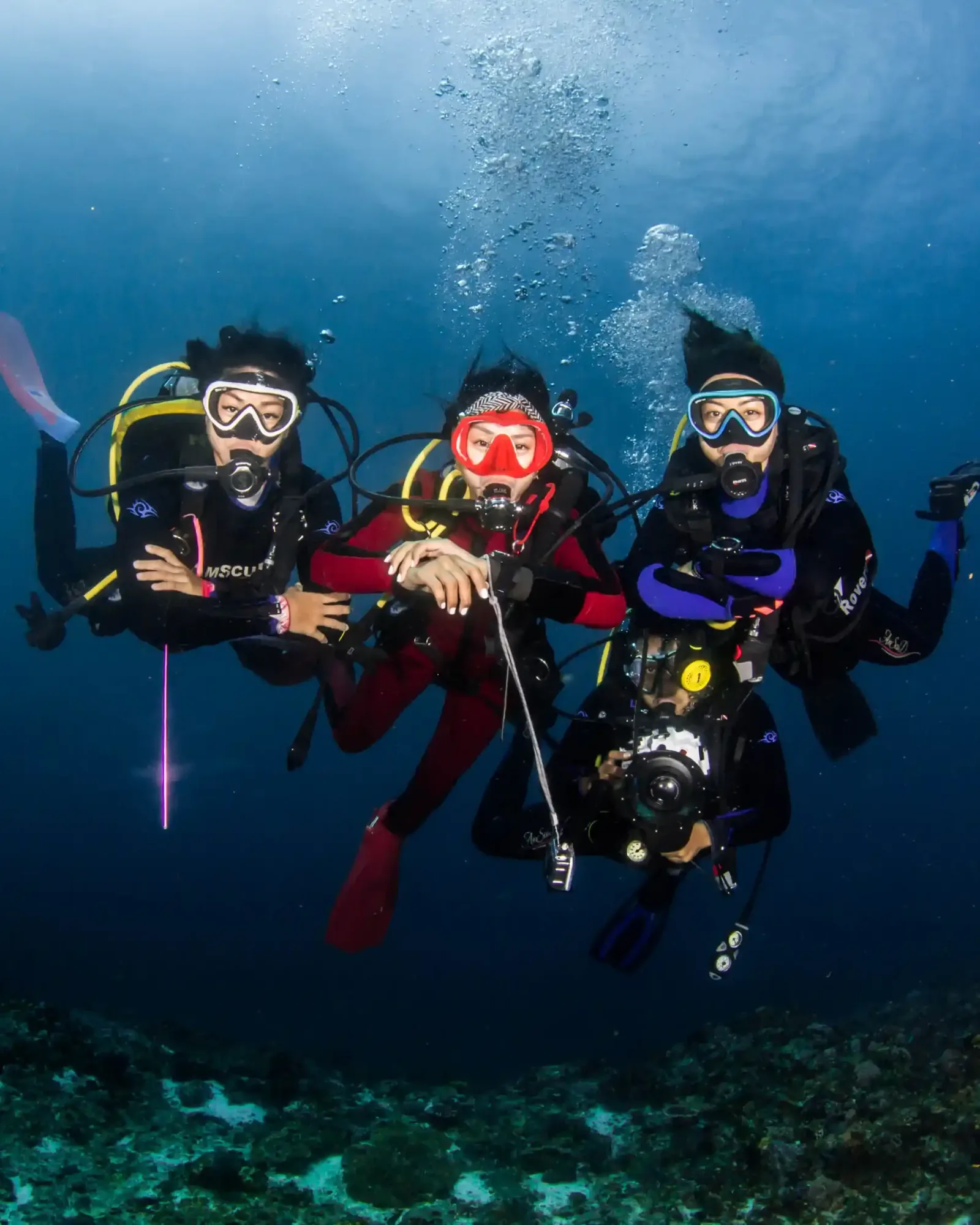
Liveaboard diving creates powerful communal bonds. Spending multiple days with fellow divers, sharing intense underwater experiences, and collaborating through challenging dives forges connections that often extend well beyond the charter. Many guests report maintaining friendships with liveaboard companions years after charters conclude.
This social dimension isn’t accidental—it emerges from shared purpose, interdependent safety protocols, and experiences that transcend normal social limitations. Divers from different countries, backgrounds, and professions unite through common passion, creating friendships that might never occur in routine terrestrial contexts.
Frequently Asked Questions About Liveaboards
What’s the minimum diving certification required?
Open Water certification minimum; we accommodate all levels through appropriate site assignments and buddy partnerships ensuring safety and suitable challenge.
How many dives daily is typical?
Four to five dives daily is standard. You control participation—some divers pursue every available dive while others prefer resting between sessions.
What if I feel seasick?
Ocean motion affects some guests. We provide medications, acupressure bands, and techniques minimizing seasickness. Calm periods often occur, providing relief windows.
How much experience is required?
Open Water certification is minimum. Recreational diving maximums (40 meters) are never exceeded. We prioritize safe diving over aggressive diving.
Can I advance certifications during the charter?
Absolutely. Advanced Open Water, Rescue, Nitrox, and other certifications are completed during normal diving routines with our professional instructors.
What happens if weather deteriorates?
We monitor conditions continuously. If severe weather approaches, we move to sheltered locations, conduct shore activities, or adjust schedules ensuring guest safety.
Are rental gear and camera equipment available?
Yes. Full rental gear, underwater cameras, and photography equipment are available for additional fees. Reserve in advance for optimal availability.