
 All levels
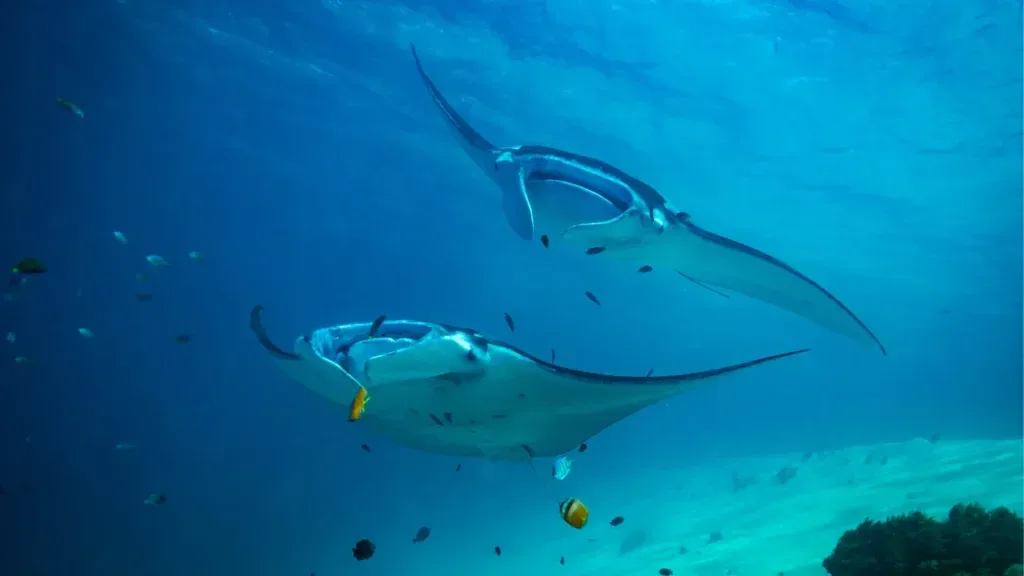
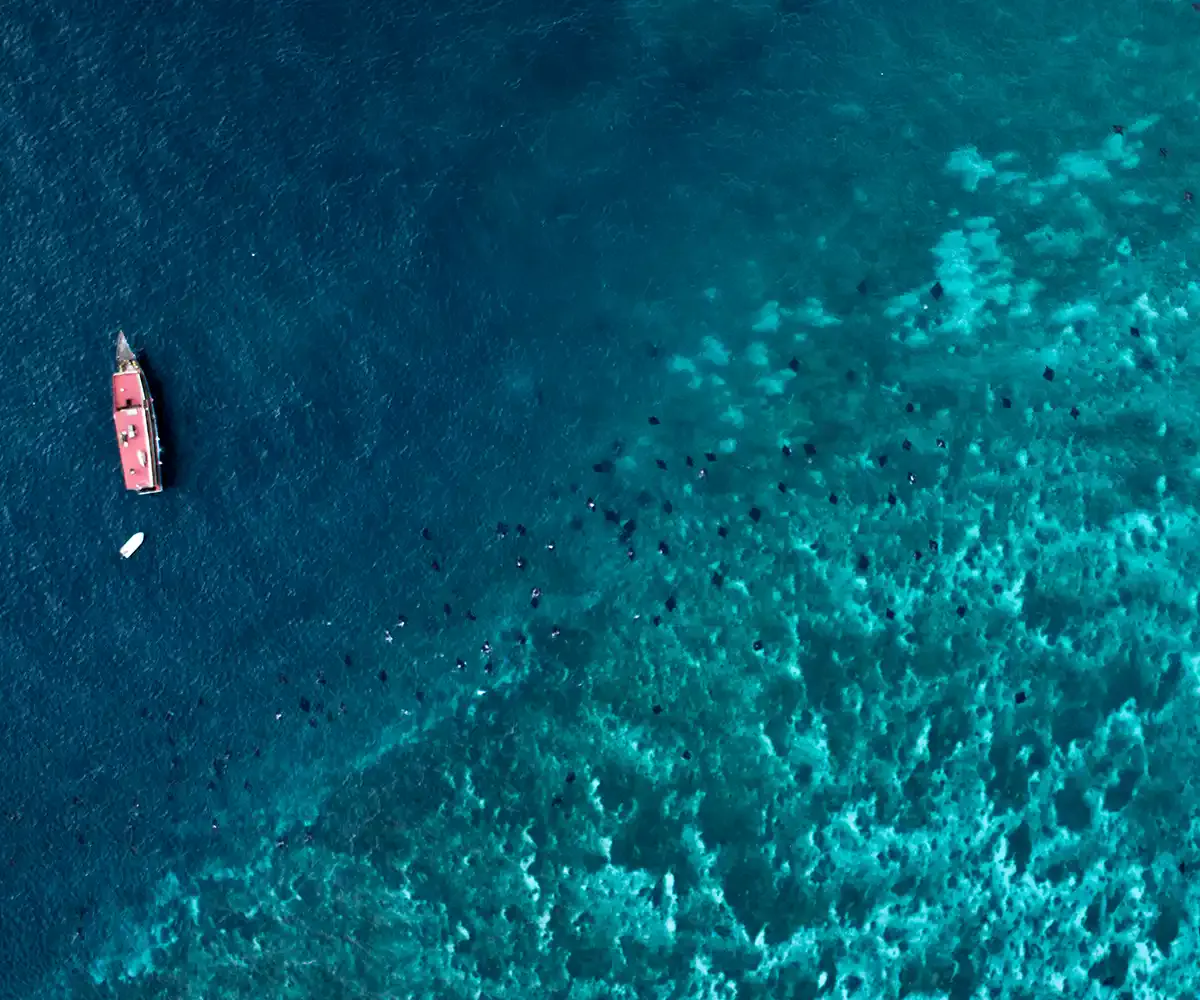
 Manta Point
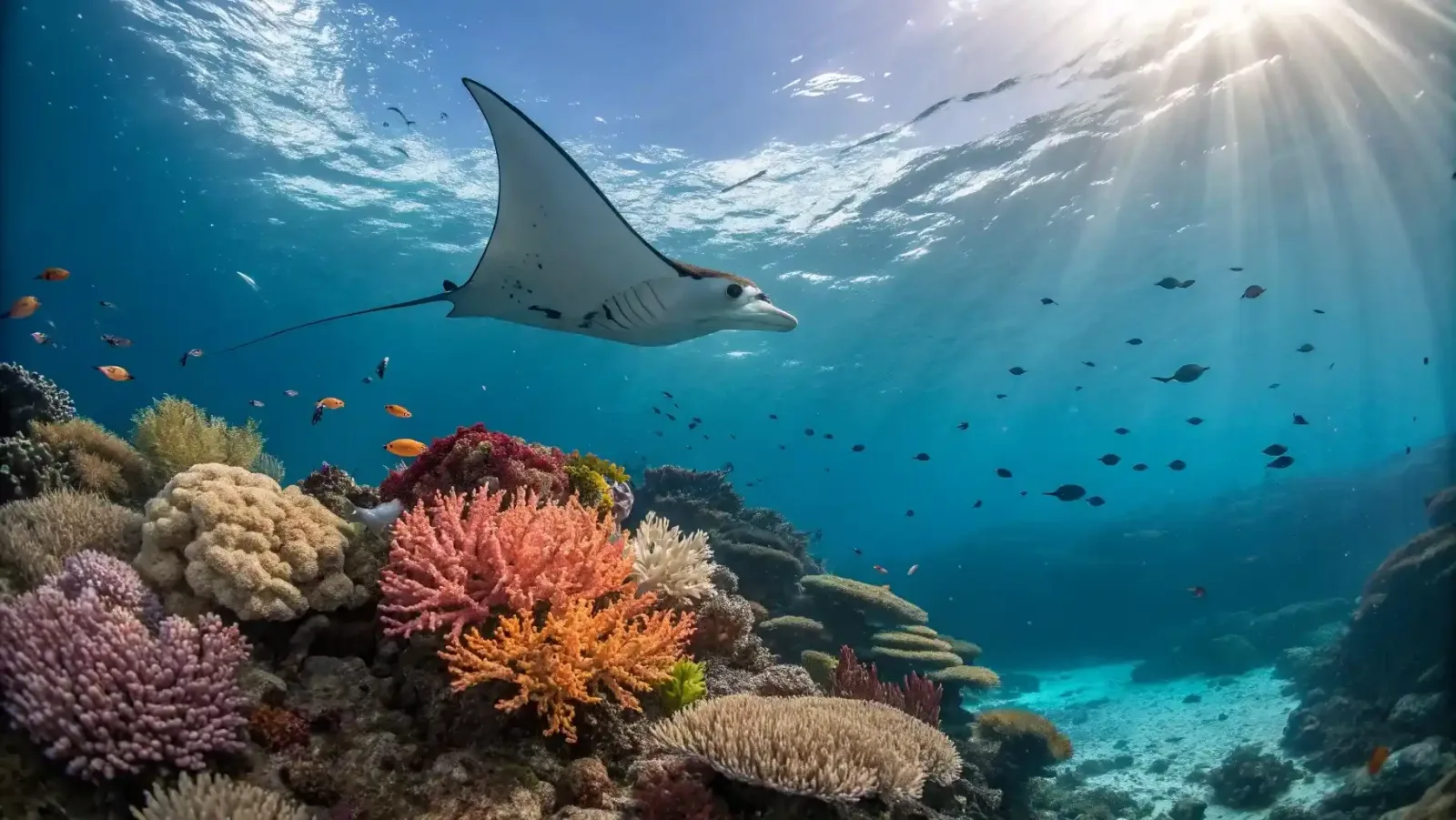
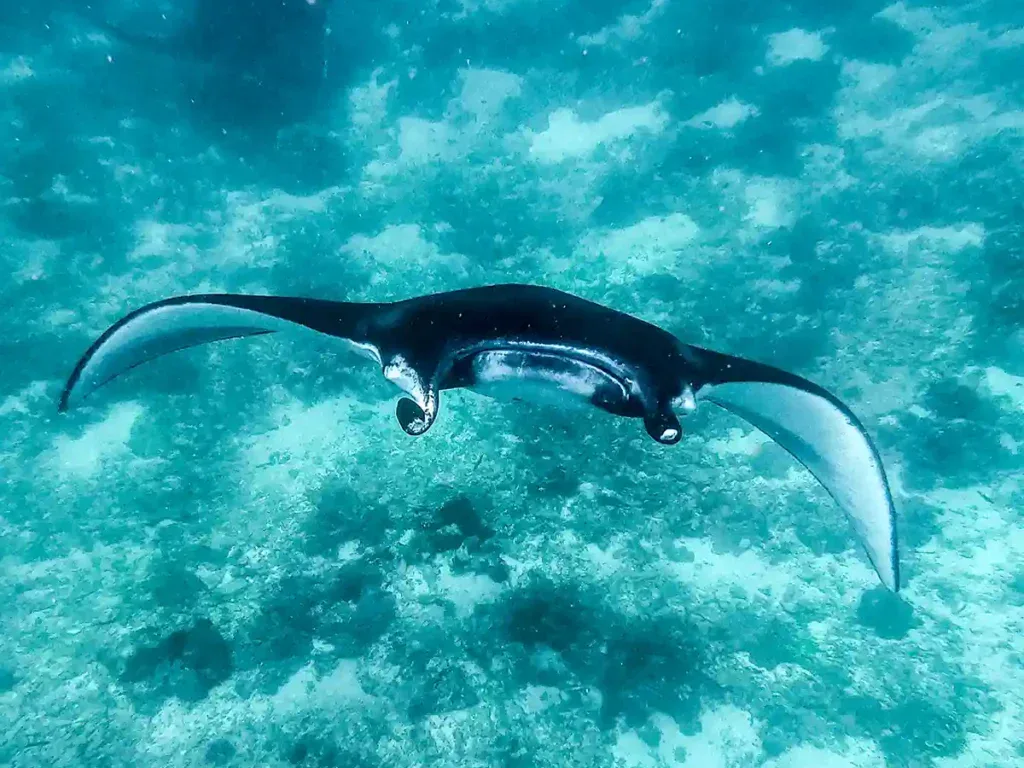
Seasonal manta aggregations in nutrient-rich current. Multiple animals on a single dive in peak season.
Audience silo · Dive-led
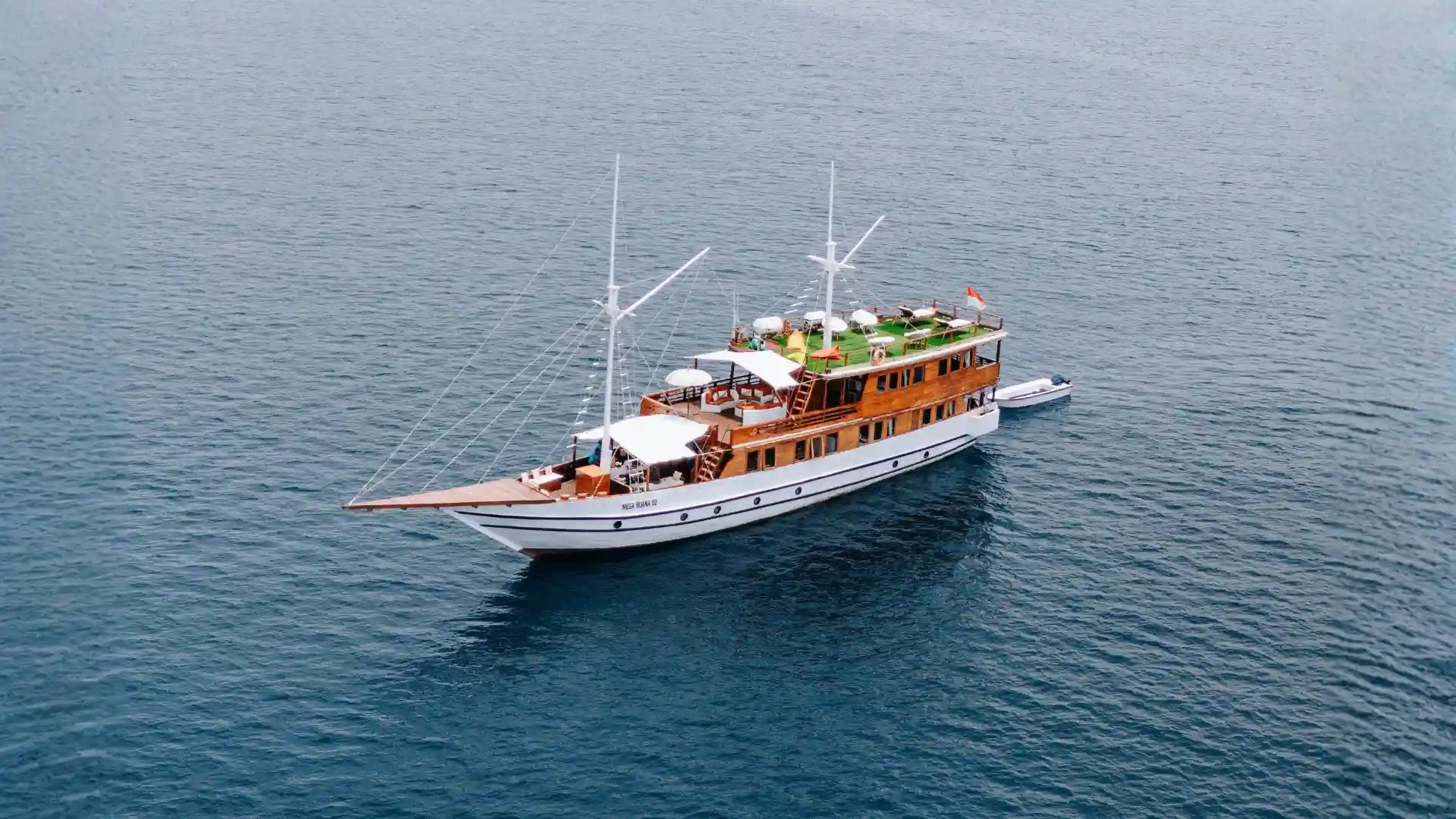
Sites chosen on the day by current, not by a printed schedule. Four divers per guide at most. Surface intervals in the plan rather than squeezed out of it.
Why here
Converging currents bring nutrient-rich water and the mega-fauna that follows it. Volcanic geology gives you drop-offs, pinnacles and black-sand macro within the same charter.
Site selection is made on real-time conditions rather than a generic itinerary, which is the difference between a good dive and the right one.
The route
Which of these you dive depends on certification and on what the current is doing that day.
All levels Seasonal manta aggregations in nutrient-rich current. Multiple animals on a single dive in peak season.
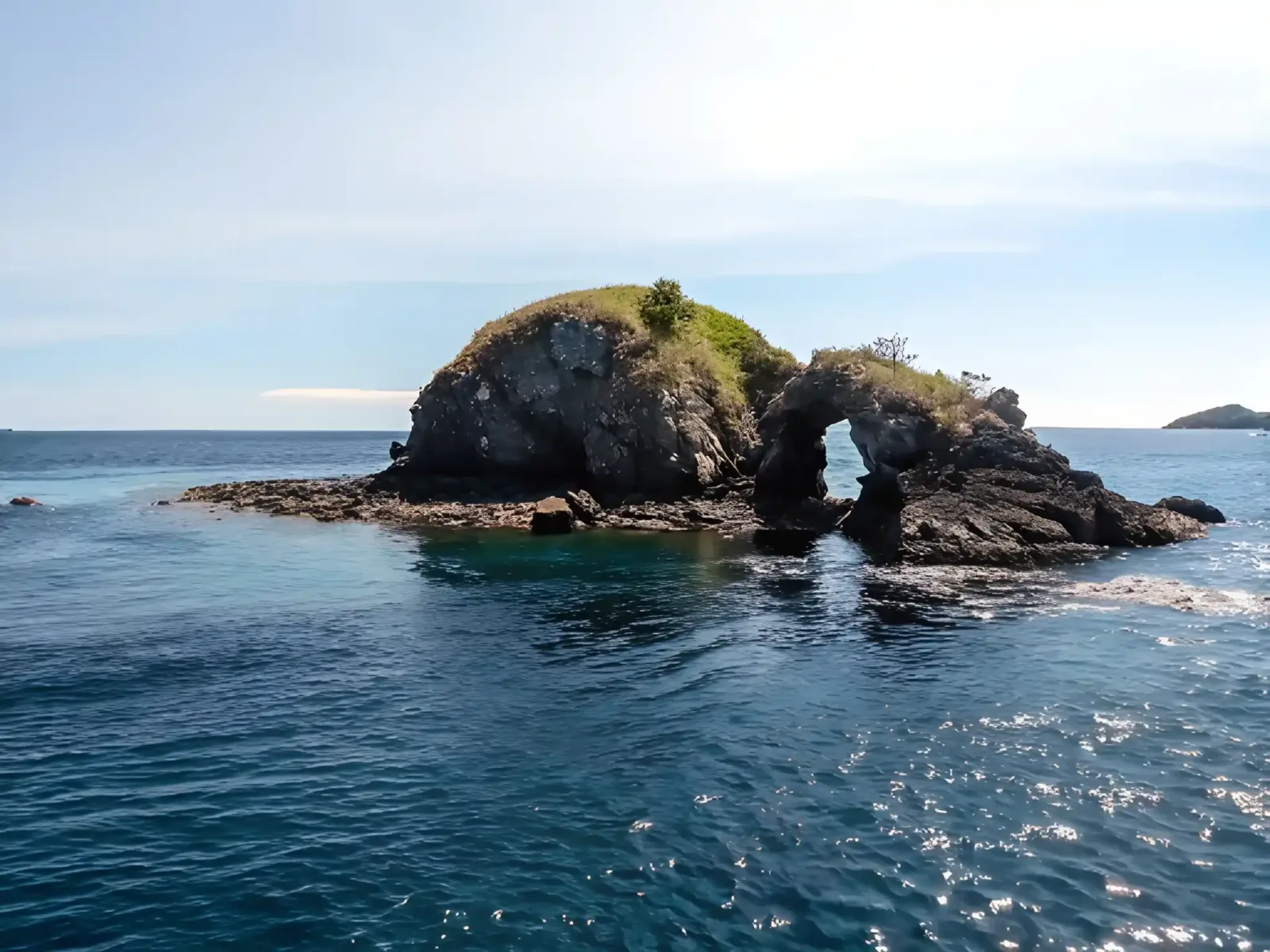 All levels
 Submerged pinnacle, hard coral gardens and pelagics on the current. Visibility typically over 25 m.
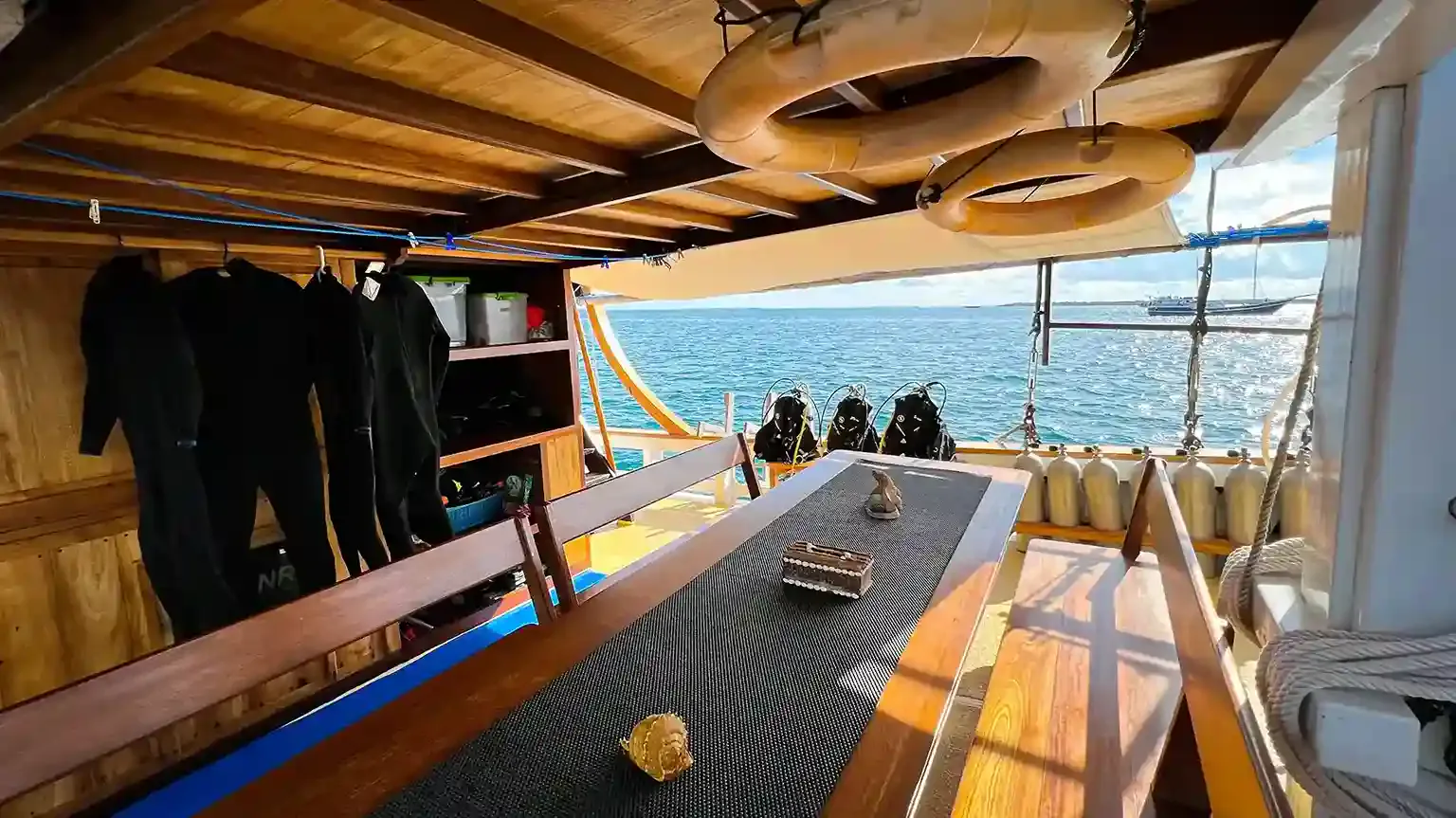 Advanced
 Vertical topography, swift current, sharks and large pelagics. Appropriately certified divers only.
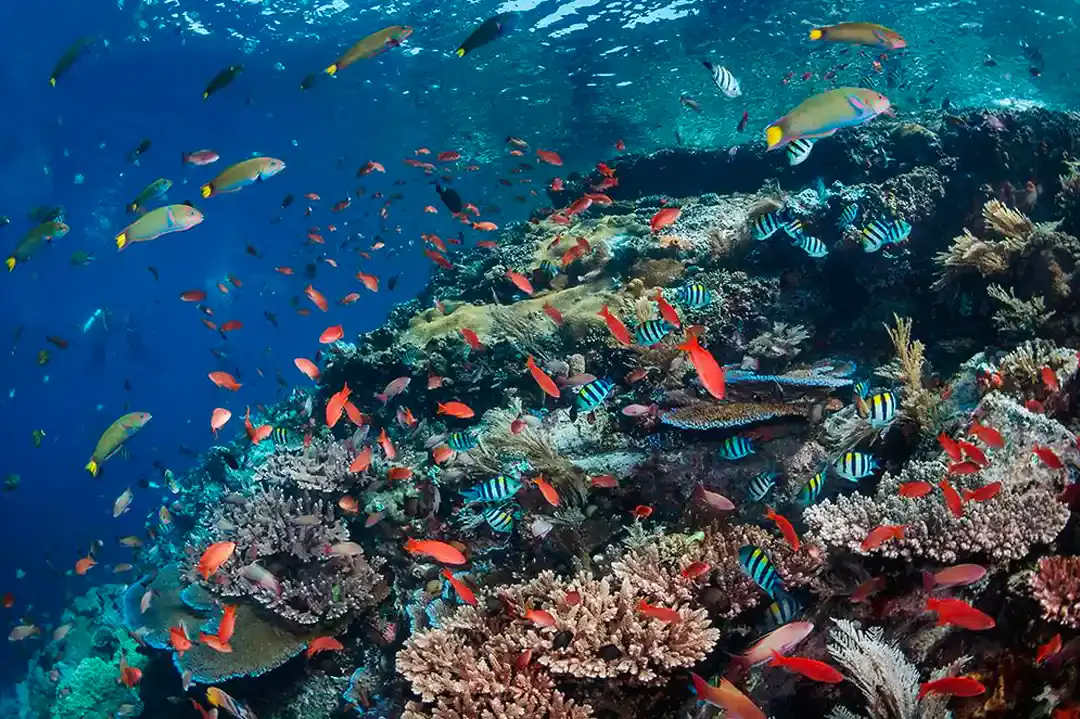 Advanced
 Rocky outcrop with real depth variation. Current brings nutrients and the schools that follow them.
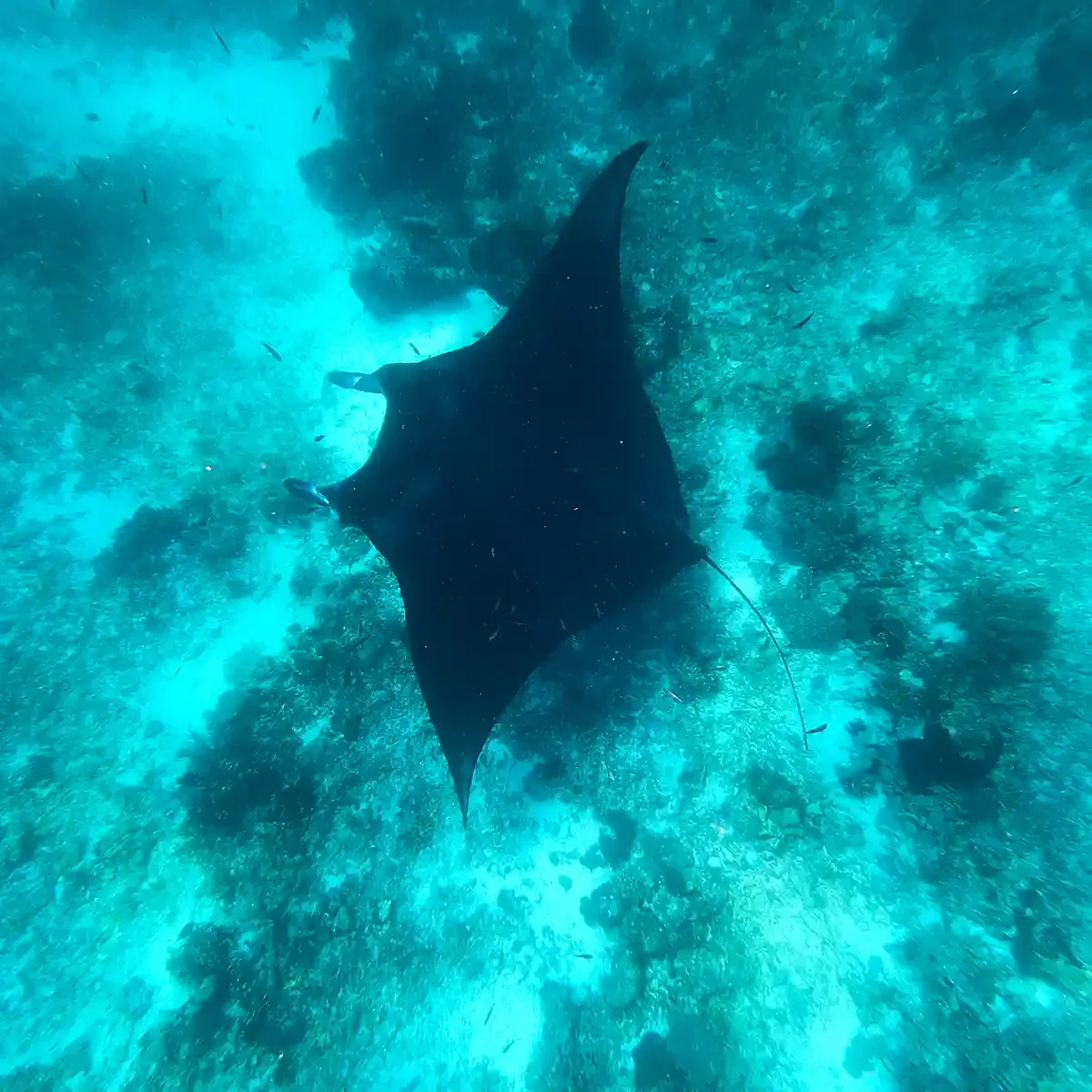 Intermediate
 Volcanic black sand slopes and excellent macro. Current-dependent, and the photographers' favourite.
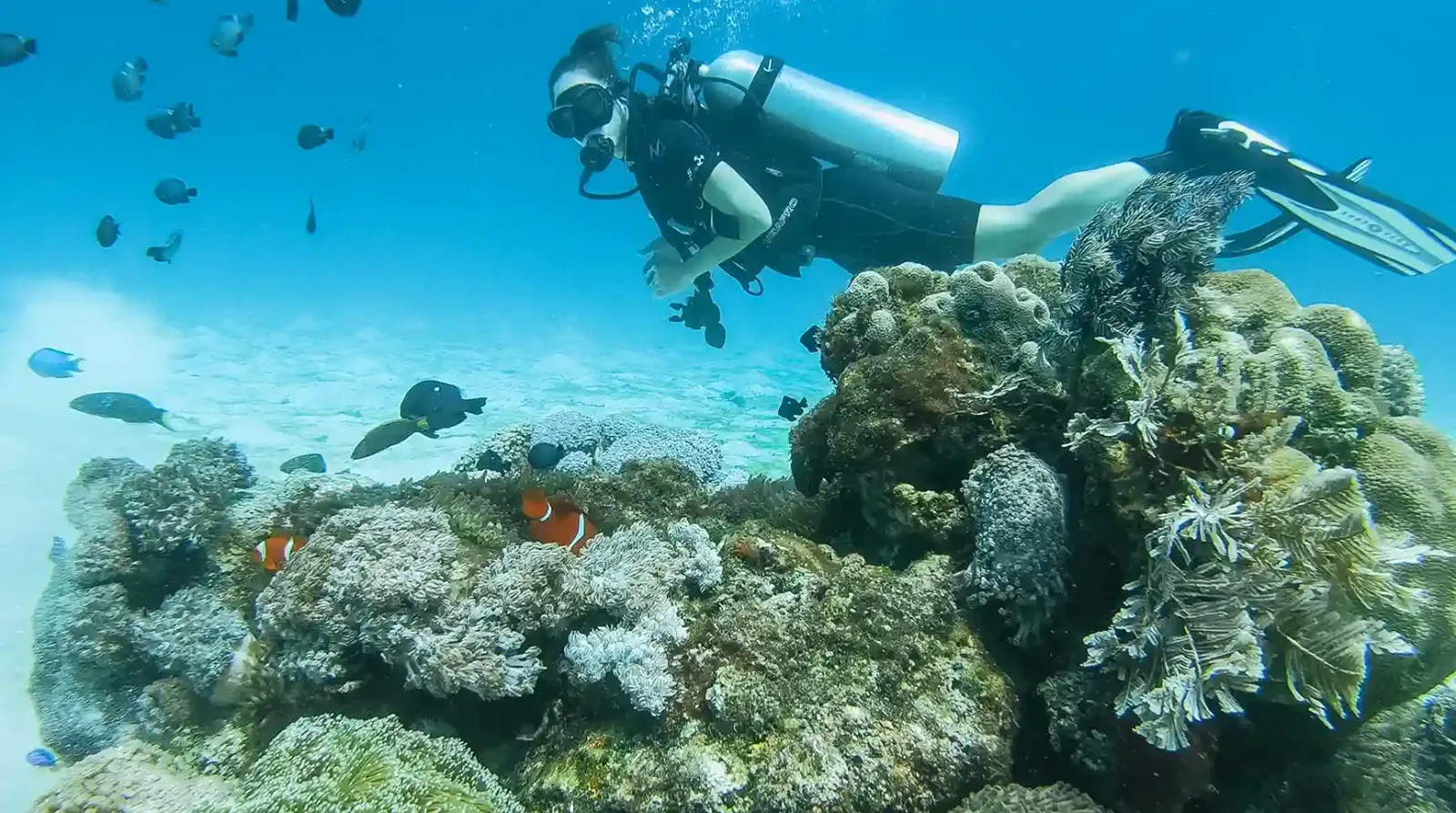
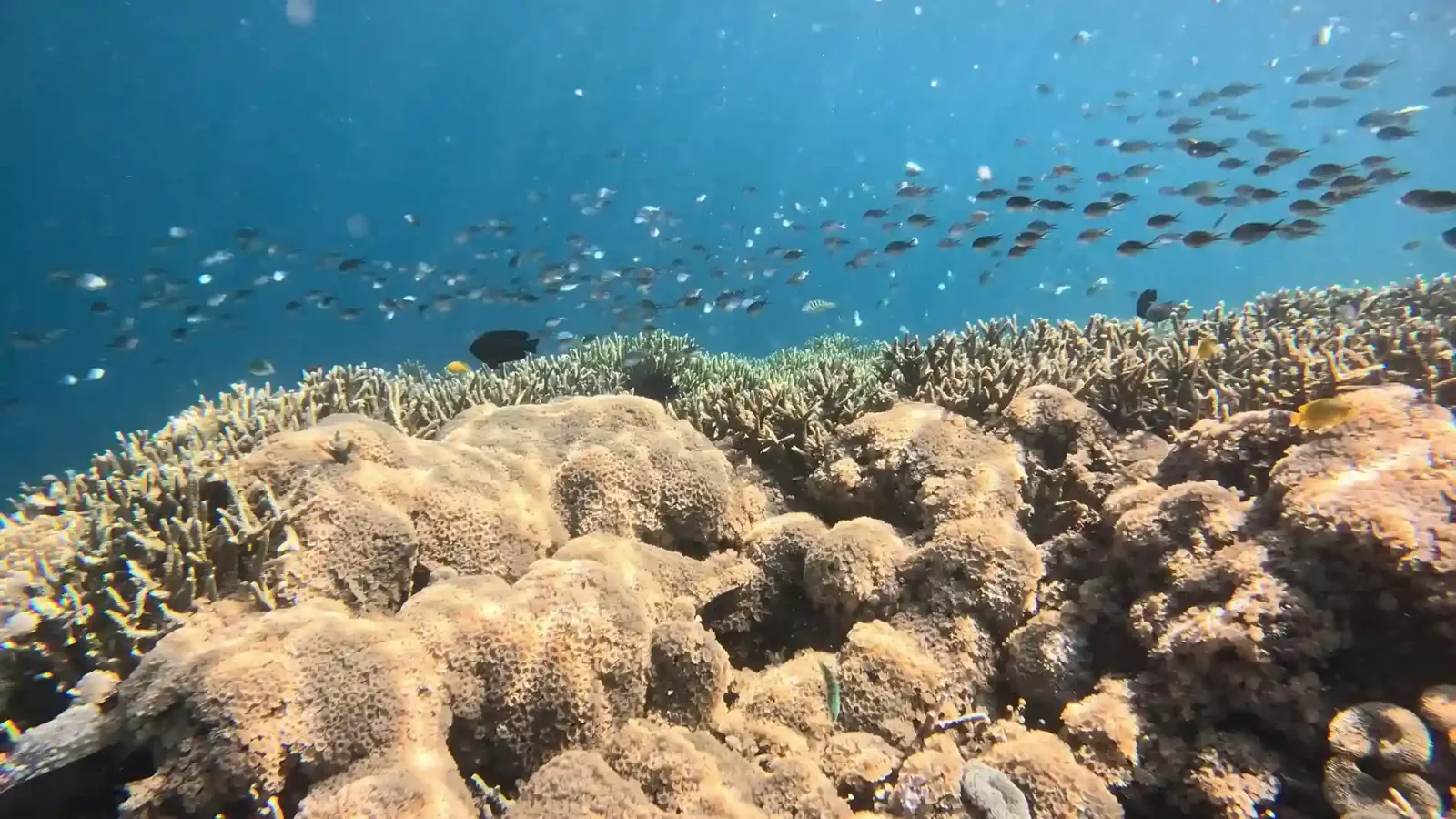 Beginner
 Shallow coral gardens with high biodiversity. Where certification dives and nervous divers start.
Manta encounters are seasonal and never guaranteed. Peak is roughly November to April; outside it we dive other sites rather than sell you an aggregation that is not there.
By certification
Divers are assigned to sites personally, weighing safety against a level of challenge that is actually worth the trip.
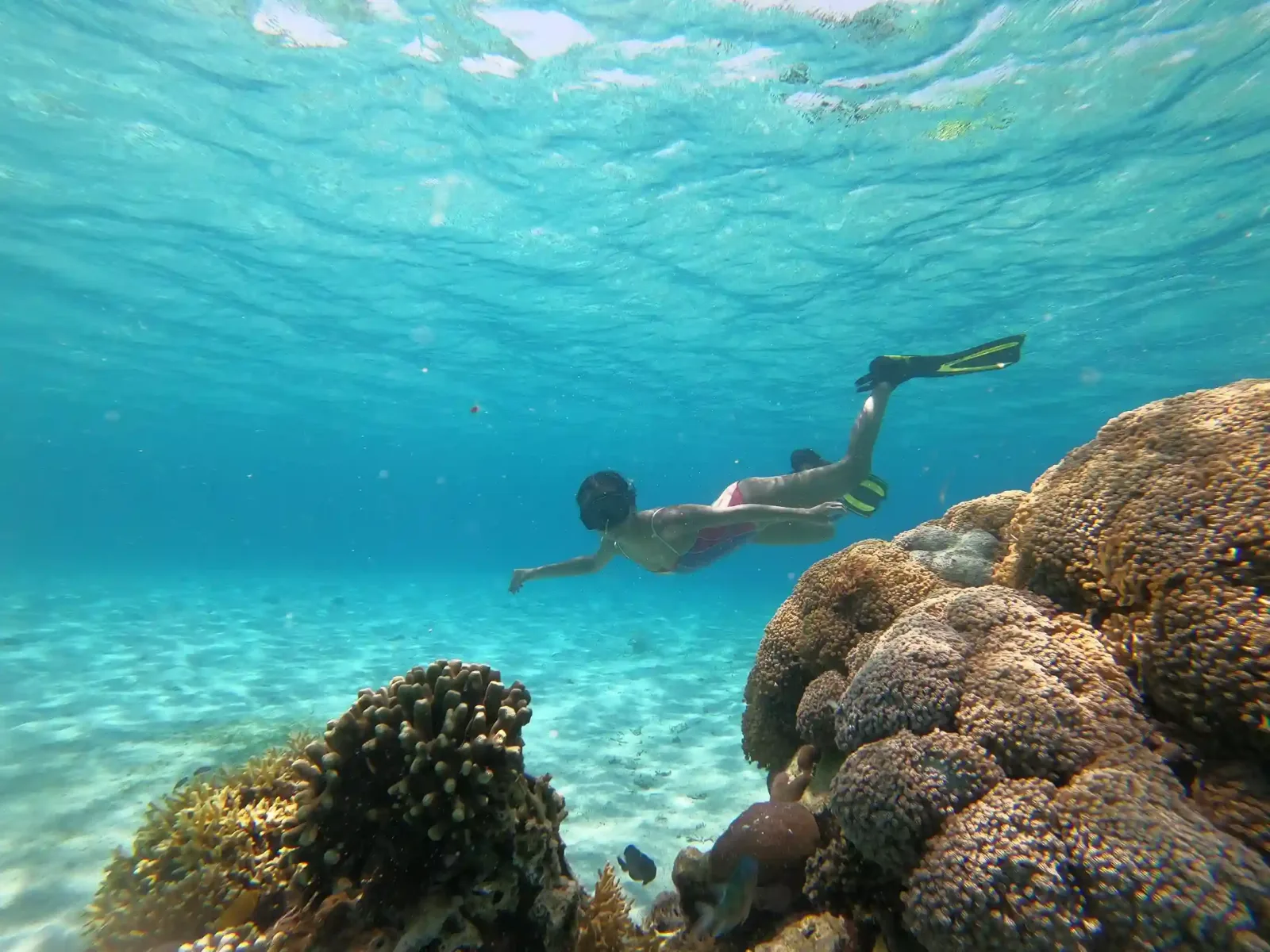
Guided snorkelling covers the same sites. Manta Point is often better from the surface.
Open Water can be completed on board
Pink Beach reef and protected coral gardens, building confidence before anything with current.
Depth-limited, guide-led
Crystal Rock, Batu Bolong and the drift sites, briefed thoroughly before every entry.
Nitrox on request
Swift current, vertical topography and reliable large-animal encounters.
Assessed dive by dive
Certification progression runs inside normal diving rather than as a classroom module. Advanced, nitrox and rescue courses count toward your logged dives.
How the operation runs
These are the things worth asking any Komodo operator. Here are our answers before you have to.
Divemasters hold active PADI or SSI instructor certification or higher.
Typically two or three. Never a queue behind one guide.
Equipment to international standards, with backups for critical gear.
Conditions, marine life and safety protocol before every entry.
Site decisions made on actual conditions, not the printed plan.
Rescue-qualified crew, first aid and oxygen carried aboard.
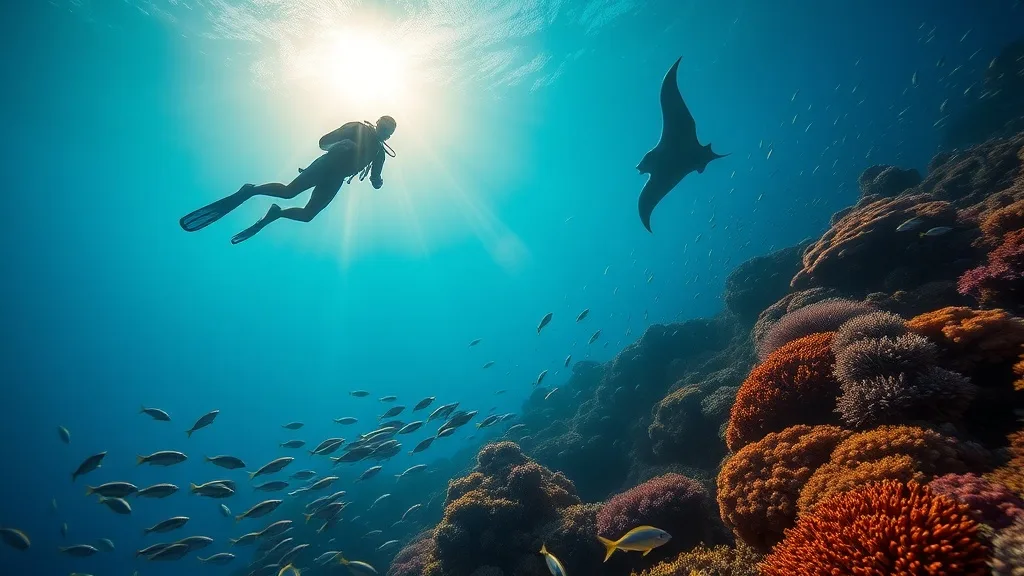
Below the surface
Tap any image to open it full size.
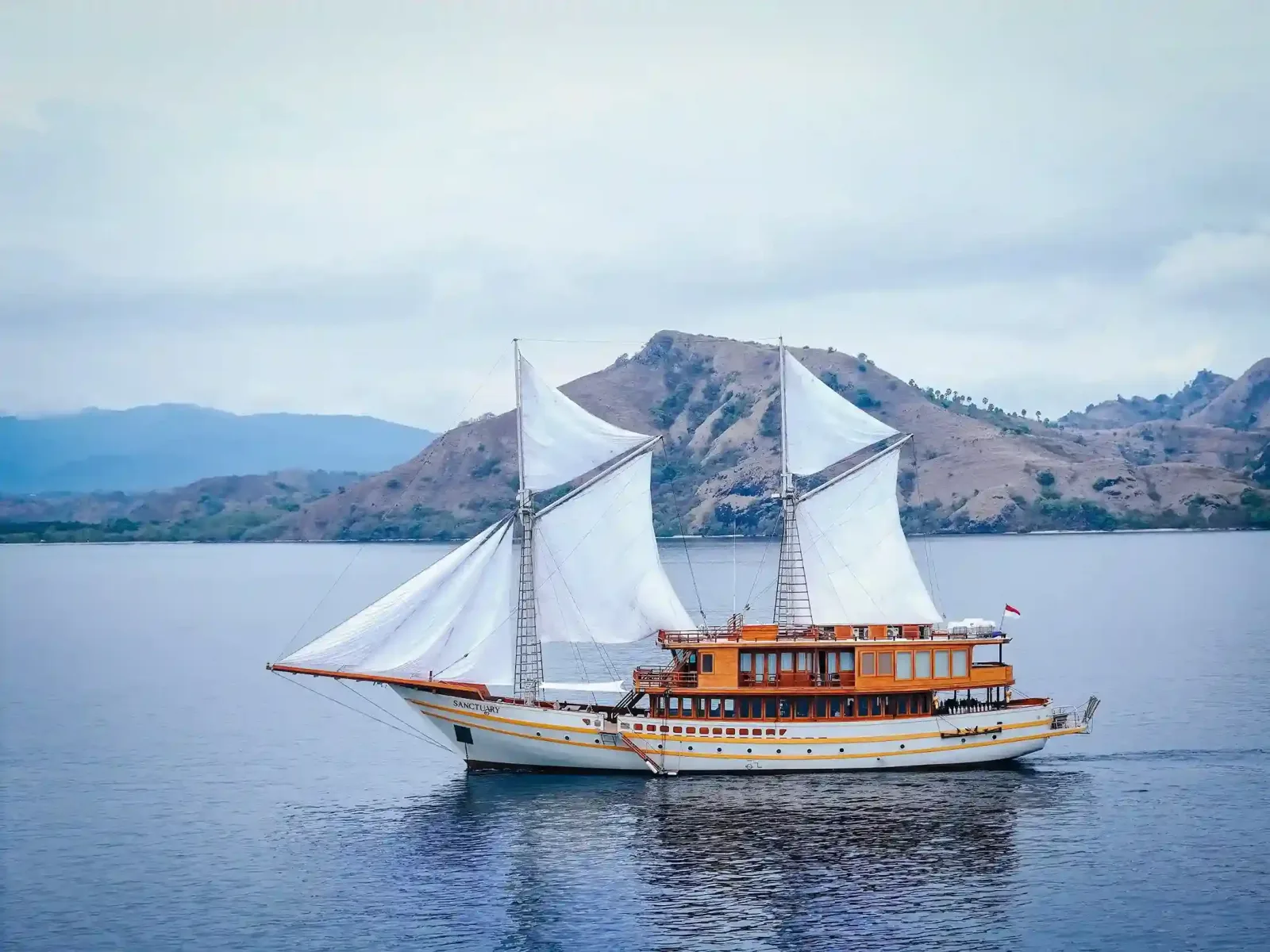
Two ways to dive here
Same sites. The difference is how many dives you get at them.
This page
Maximum water time
If everyone aboard dives and the point is bottom time, go to the liveaboard page. If half the group does not dive, this one is the better shape.
Arranging it
Level, last dive date and rough log count for everyone diving.
Matched to the group's levels and the season you are coming.
Dive charter or liveaboard, with equipment and nitrox itemised.
Check dive first, then the plan builds from what we see.
Bring the card and the logbook
If your last dive was a while ago, say so rather than not. A refresher on the first shallow site costs one dive and makes the rest of the week better.
Six honest answers
Related
Get a firm quote
Levels, rough log counts and when you are coming. Sites, vessel and an itemised figure come back — equipment and nitrox listed separately.
By sending you agree we may reply by email or WhatsApp about your charter.