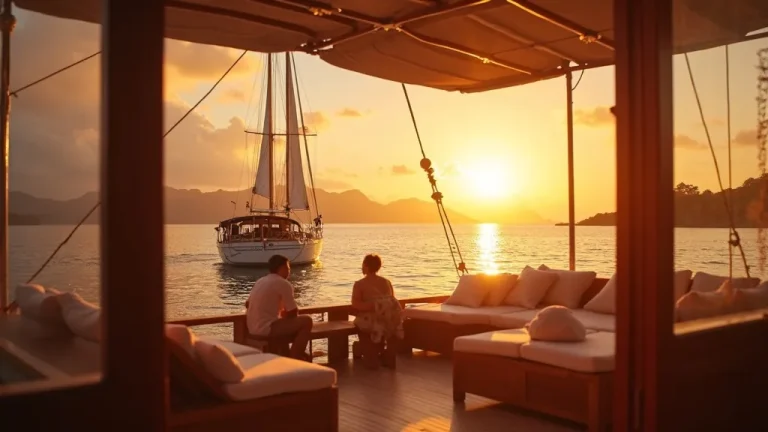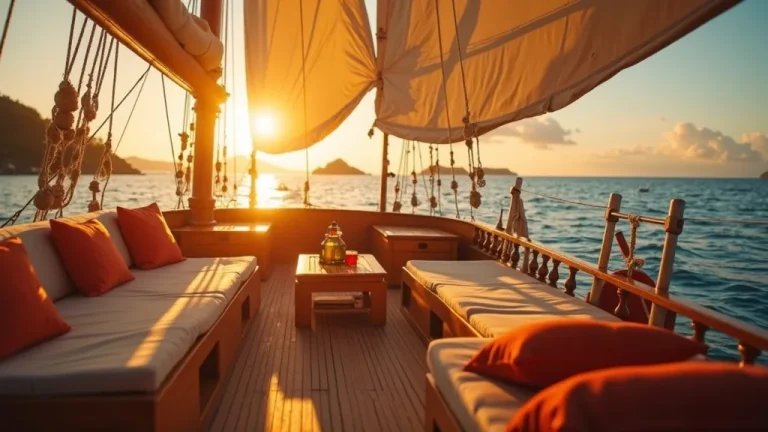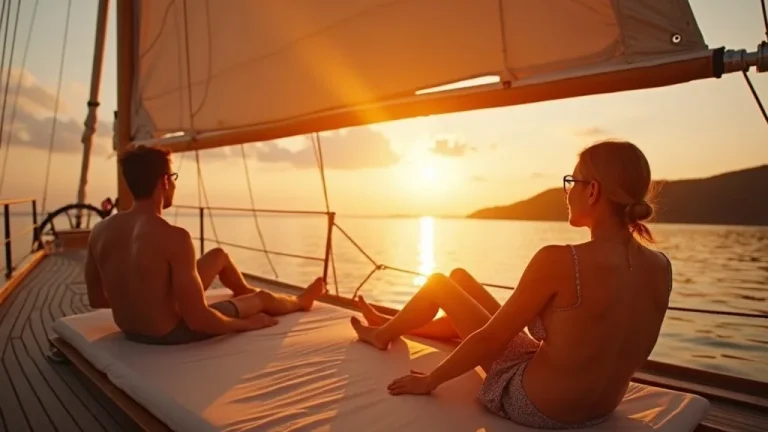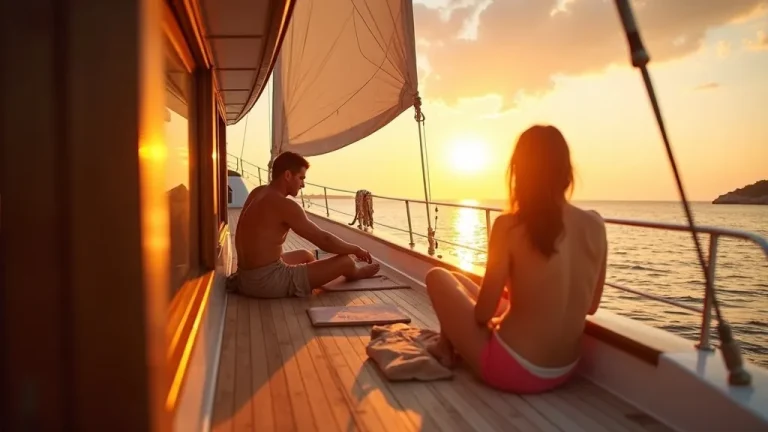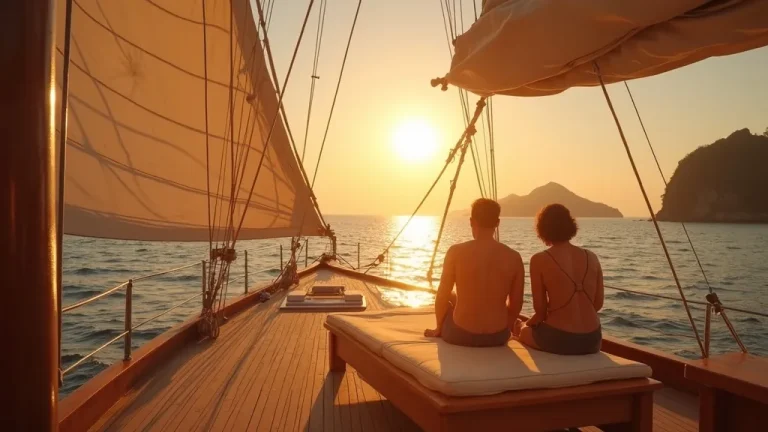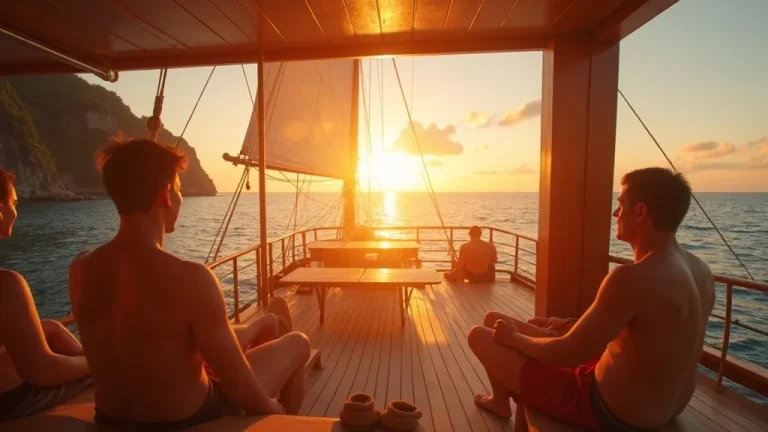
Komodo National Park is renowned for its diverse marine life, clear waters, and the iconic Komodo dragon. But is it safe for private yacht tours in 2027? Yes, with the right precautions and knowledge, exploring this UNESCO World Heritage site by private yacht can be a safe and enriching experience. Visitors should stay informed about local regulations, weather patterns, and safety guidelines to ensure a secure journey.
Understanding the Safety Measures in Komodo National Park
In recent years, Komodo National Park has become increasingly popular among tourists and yacht enthusiasts alike. The Indonesian government has implemented stringent measures to ensure the safety of visitors and the preservation of the park’s natural beauty. These include regulations that govern the behavior of yachts in the park, such as specific anchoring zones to protect coral reefs and designated pathways for observing wildlife, including the famous Komodo dragons. These zones are strictly enforced to mitigate the impact of human activity on the fragile marine ecosystems found within the park.
To enhance safety, the park authorities have also established guidelines for yacht operators and tourists. These include maintaining a safe distance from the Komodo dragons, as these creatures can be unpredictable. Furthermore, yachts are advised to travel in groups or with a local guide familiar with the region’s waters and wildlife. This not only helps in ensuring the safety of visitors but also contributes to the conservation efforts within the park. Guides offer invaluable insights and the assurance of navigating through challenging areas, ensuring both safety and an educational experience.
Weather Conditions and Best Times to Visit
The weather in Komodo National Park can significantly impact the safety and enjoyment of a yacht tour. The best time to visit is during the dry season, which runs from April to December. During these months, the seas are typically calm, and the risk of sudden weather changes is minimized. The dry season also coincides with the peak tourist season, so it’s essential to plan accordingly to avoid overcrowding. Prices during the dry season can be higher due to increased demand, so early booking is recommended to secure a yacht and the services of top-rated guides.
Conversely, the wet season, from January to March, is characterized by heavy rains and stronger winds, making it a less desirable time for yacht tours. Those who do choose to visit during this period must be prepared for possible weather-related disruptions. It’s advisable to monitor weather forecasts regularly and have contingency plans in place, such as alternative routes or safe harbors, should conditions change unexpectedly. Some operators may offer discounted prices during this period, but safety should always be the priority over cost savings.
Navigation and Local Knowledge
waters of Komodo National Park requires expertise due to its complex marine geography. The park is composed of numerous islands, each with its own unique hazards, such as underwater reefs and strong tidal currents. As such, having a seasoned crew or hiring a local navigator is crucial for a successful yacht tour. Local navigators possess invaluable knowledge about the currents, safe anchorage spots, and the best routes to take to avoid potential dangers. Their ability to read the local environment can be the difference between a smooth journey and encountering unexpected obstacles.
Moreover, local guides can offer insights into cultural and historical aspects of the area, enhancing the overall experience. They can provide information on traditional fishing communities, local customs, and the environmental significance of the park, all of which enrich the visit beyond mere sightseeing. Tours that incorporate visits to nearby villages can offer a glimpse into the daily lives of the indigenous people, with opportunities to purchase locally made crafts and contribute to the local economy.
Health and Environmental Considerations
Health safety is paramount when touring remote locations like Komodo National Park. Visitors should ensure they have adequate medical supplies and are aware of the nearest medical facilities, which are often located a significant distance away. It’s also prudent to have vaccinations updated, as recommended for travel to Indonesian regions. Comprehensive travel insurance that covers medical evacuation is highly recommended due to the remote nature of the location.
Environmentally, it’s important to adhere to sustainable practices to minimize the ecological footprint of yacht tours. This includes proper waste disposal, using eco-friendly products, and respecting wildlife habitats. By prioritizing low-impact tourism, visitors can help preserve the park for future generations while enjoying its natural wonders. Supporting local conservation initiatives, such as coral reef restoration projects, can further enhance the positive impact of your visit.
Budgeting for a Private Yacht Tour
The cost of a private yacht tour in Komodo National Park can vary greatly depending on the size and type of yacht, the duration of the trip, and additional amenities. While specific pricing for “Komodo Private Yacht” is not available, general costs for renting a luxury yacht in the region can range from $10,000 to $50,000 per week. This price typically includes the yacht, crew, meals, and standard activities. Luxury options may provide experiences such as private chefs, spa services, and premium diving equipment, which can significantly enhance the overall experience.
Additional expenses may include park entrance fees, diving permits, and any specialized excursions. It’s advisable to discuss all potential costs with the yacht operator beforehand to avoid unexpected charges. By planning a budget in advance, travelers can ensure a hassle-free and enjoyable experience. Remember to account for currency exchange rates as well, which can impact the overall cost if you are budgeting in USD but paying in Indonesian rupiahs.
Impact of Tourism Regulations
The rise in tourism has prompted Indonesian authorities to consider implementing further restrictions to protect Komodo National Park. These may include limiting the number of visitors and yachts allowed within the park at any given time. Such regulations aim to balance tourism with conservation efforts, protecting the park’s delicate ecosystems from overuse. Restrictions may also focus on limiting the size of yachts to prevent damage to coral reefs and other marine habitats.
Potential visitors should stay updated on any regulatory changes that may affect their travel plans. Engaging with reputable yacht operators who are informed about the latest rules is crucial for ensuring compliance and avoiding any legal issues during the tour. Operators who are part of recognized associations are more likely to adhere to best practices and stay informed about regulatory updates.
Cultural and Ecological Experiences
A visit to Komodo National Park offers a rich notable of cultural and ecological experiences that go beyond mere sightseeing. The park is home to the indigenous Komodo people, who have coexisted with the dragons and the park’s unique environment for generations. Visitors have the opportunity to engage with local communities, learn about their traditional fishing methods, and understand their role in the conservation efforts of the park.
The park’s biodiversity extends to its underwater landscapes, which are among the richest in the world. Diving in Komodo National Park allows you to witness lively coral gardens and an array of marine life, including the grand manta rays and rare species of sea turtles. Snorkeling and diving permits are usually required and can be obtained from the park management at an additional cost. This ensures that diving activities are conducted in a controlled manner to protect the marine environment.
FAQs
Q? Is it necessary to have a guide when visiting the park by yacht? A guide is not strictly necessary, but it is highly recommended. Local guides provide valuable insights into the park’s wildlife and cultural heritage and can help navigate the complex waterways safely. Their presence also ensures compliance with park regulations, which can enhance the overall safety of the excursion.
Q? What wildlife can I expect to see in Komodo National Park? Visitors can expect to see Komodo dragons, various bird species, and diverse marine life, including dolphins and manta rays. The park is a biodiversity hotspot, offering many opportunities for wildlife observation. Birdwatchers may also delight in spotting endemic species such as the yellow-crested cockatoo and the noisy friarbird.
Q? Are there any restrictions on swimming and diving in the park? Yes, certain areas may be off-limits to protect coral reefs and marine habitats. It’s crucial to follow posted signs and guidelines provided by park authorities to ensure safety and conservation. Some zones are designated for scientific research and are therefore restricted to further protect sensitive habitats.
For wider arrangements, our partner komodoboatcharter can coordinate end to end.
See also: Top 10 packing tips for Komodo private yacht trips in 2027, Komodo private yacht safety: what to know before booking your 2027 trip · Home.